

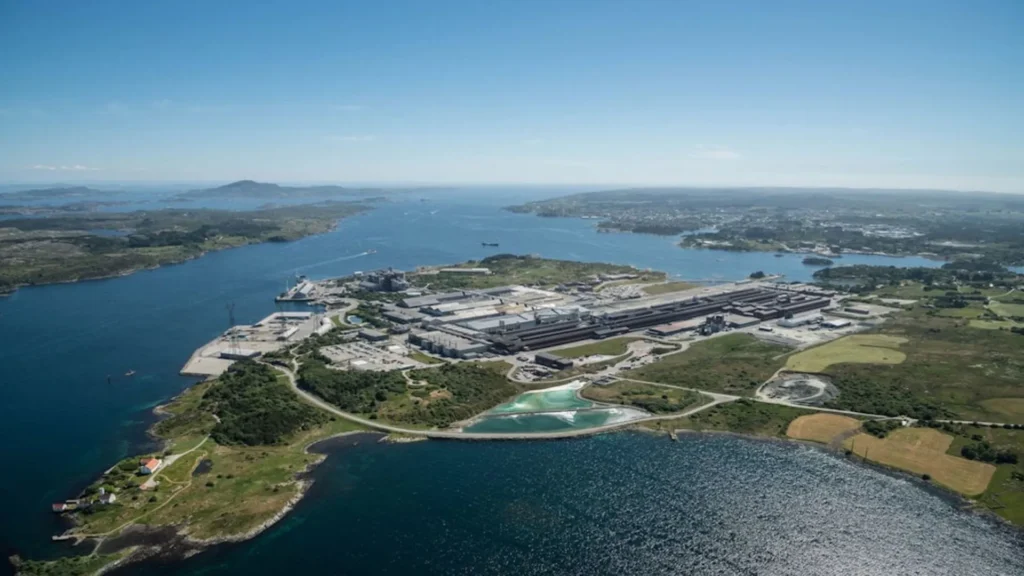
Hydro announces investment in European electricity infrastructure with low-carbon aluminum
Aluminum is a fundamental material for energy infrastructure, thanks to its lightweight, durable, and recyclable characteristics.
Aluminum is a fundamental material for energy infrastructure, thanks to its lightweight, durable, and recyclable characteristics.
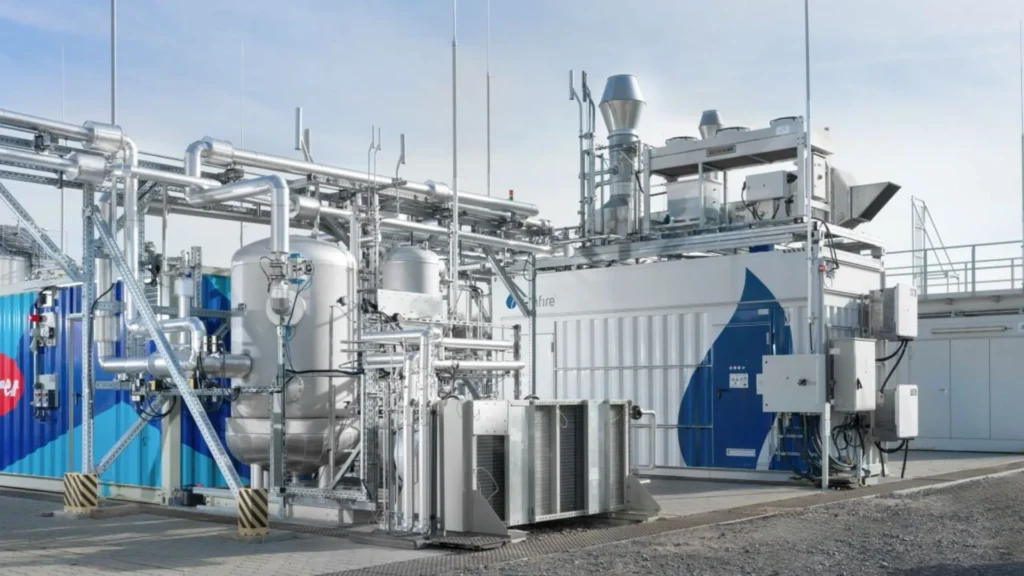
By implementing the Fischer-Tropsch method, efficient production of synthetic kerosene is achieved on an industrial scale.

The EL9's ability to operate from unconditioned surfaces opens up new routes and transportation opportunities.
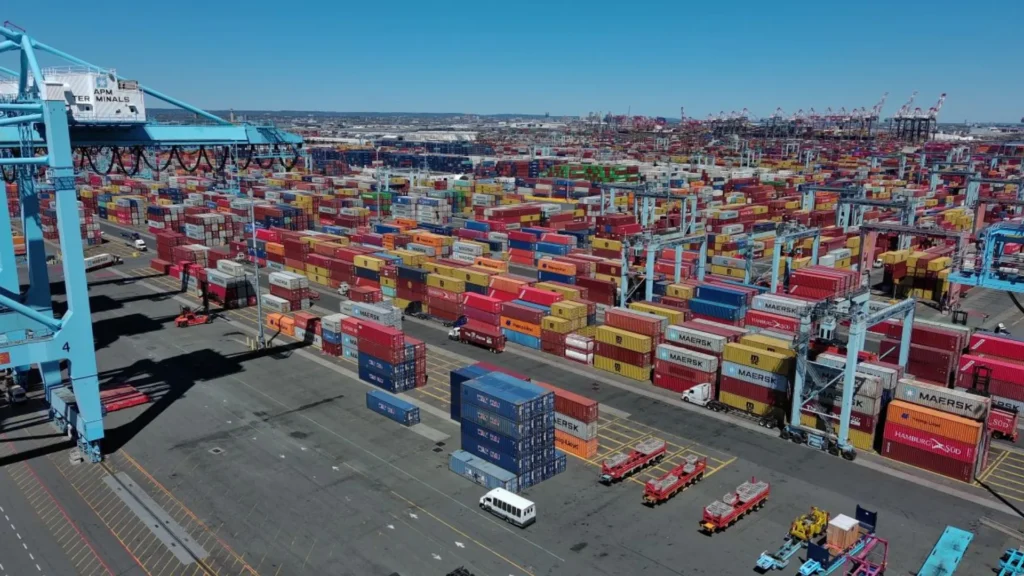
Investment in zero-emission cargo handling equipment is one of the priorities of the extension agreement.
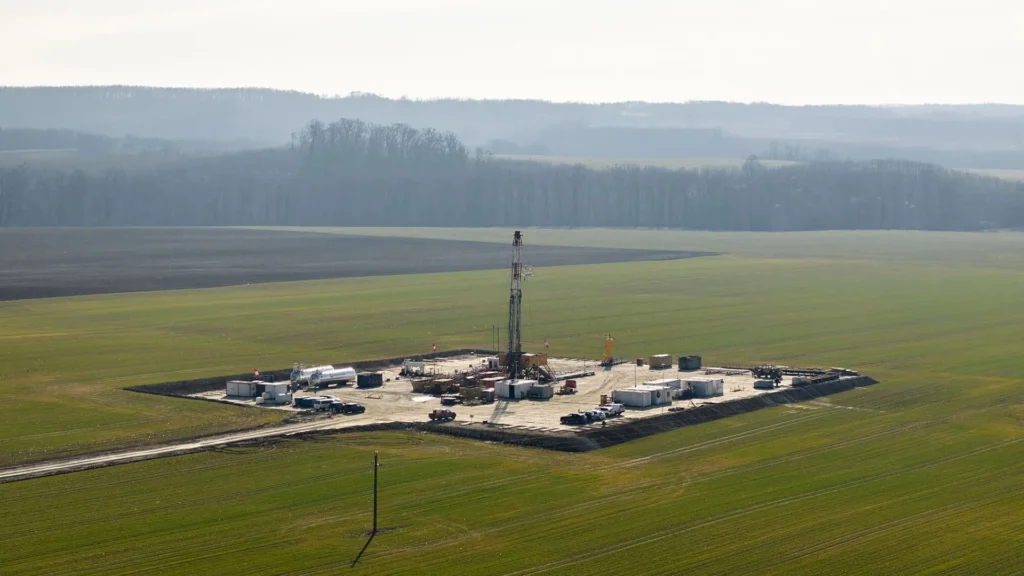
This new well will be transported to the Danube refinery in Százhalombatta, representing 1% of the oil company's total hydrocarbon production.
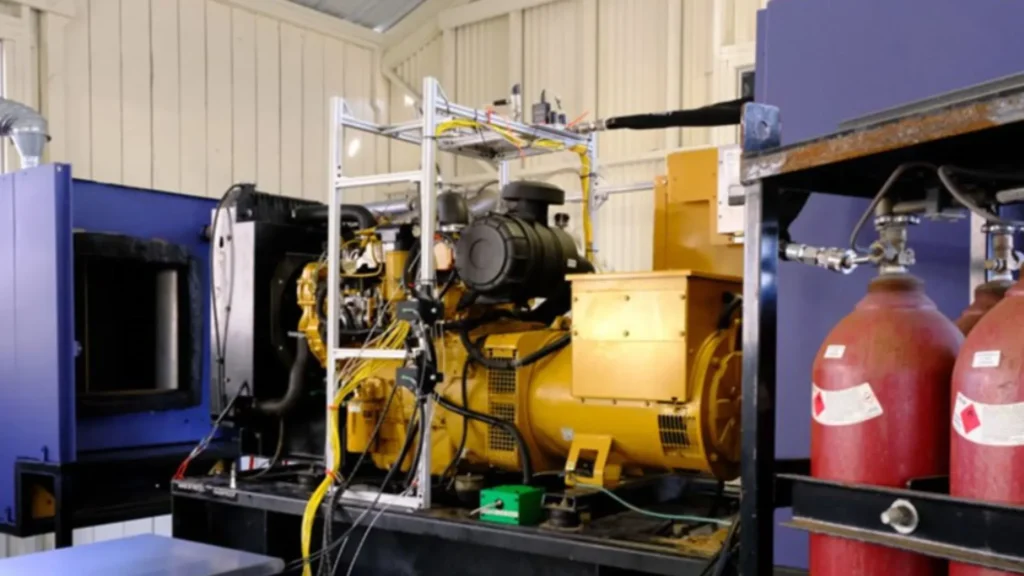
Today, the adoption of innovative technologies is increasingly important to ensure that the maritime sector can become an efficient and sustainable means of transport.
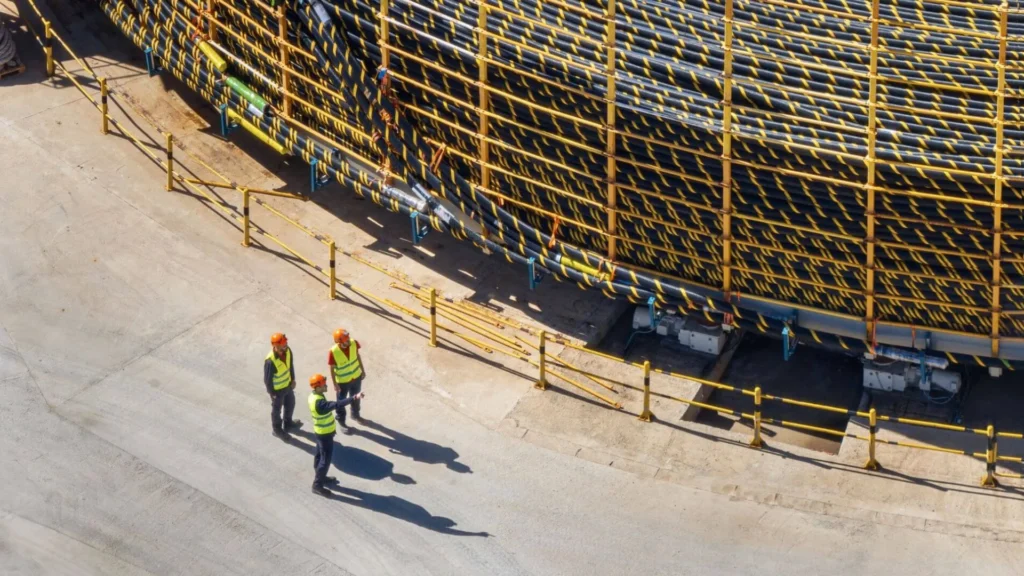
This project presents challenges due to the complex laying and burial operations in shallow waters.
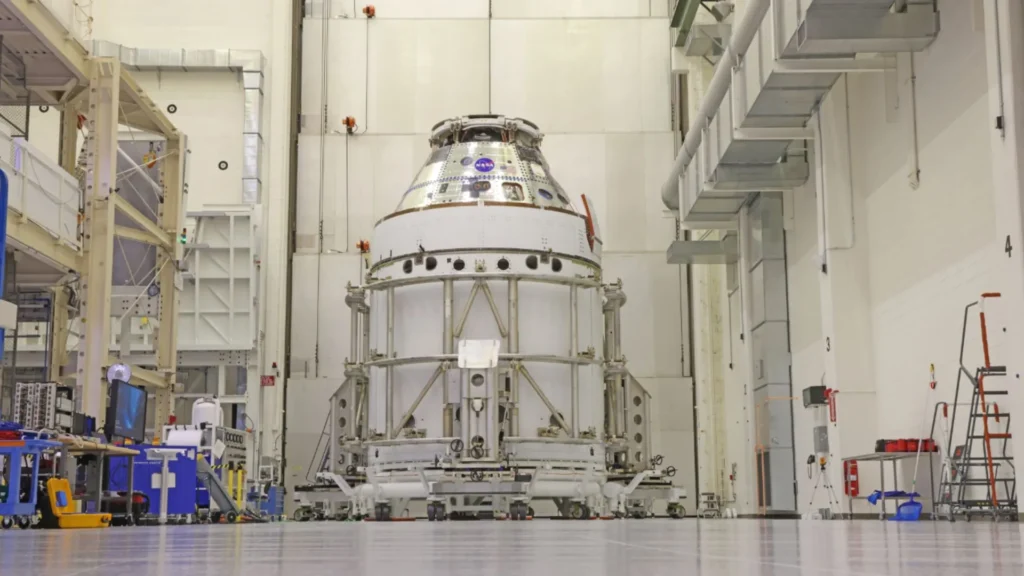
International technological collaboration and the development of new technologies are fundamental pillars of this aerospace initiative.
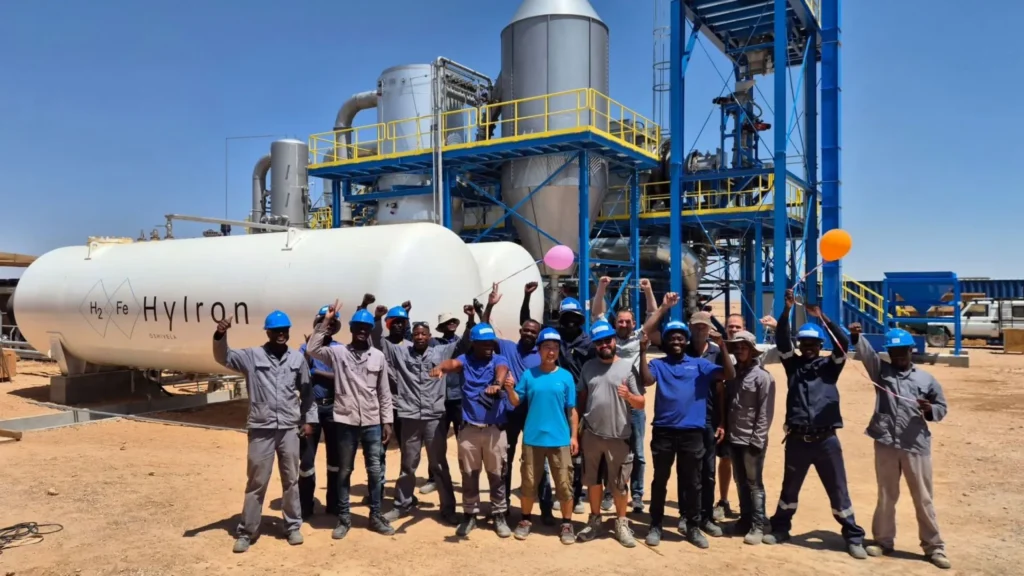
The Oshivela plant is an example of the capacity for collaboration to address the challenges of climate change and move toward a sustainable industry.
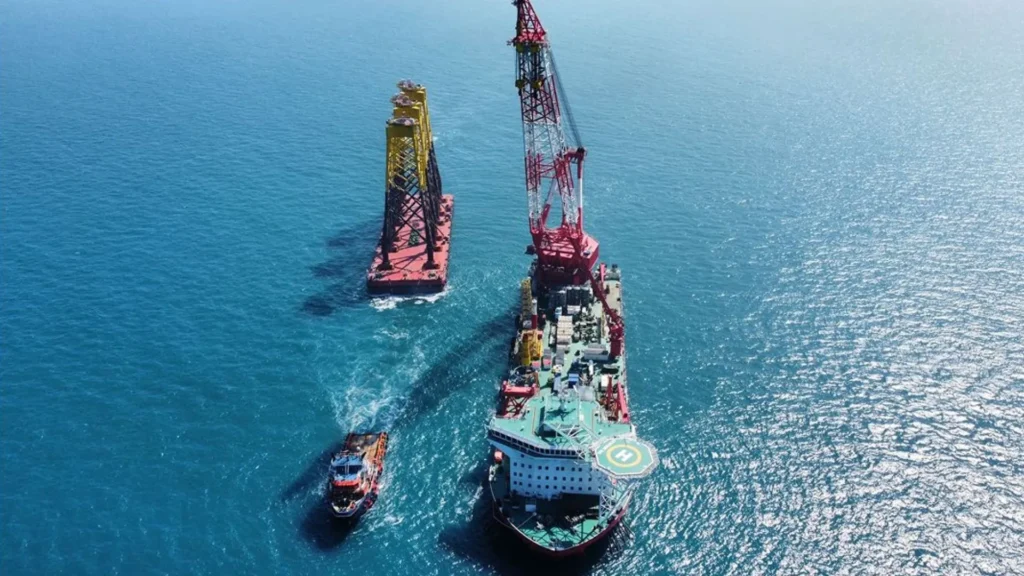
The development of Phase II of the TPC II wind farm is a testament to innovation in the energy sector.
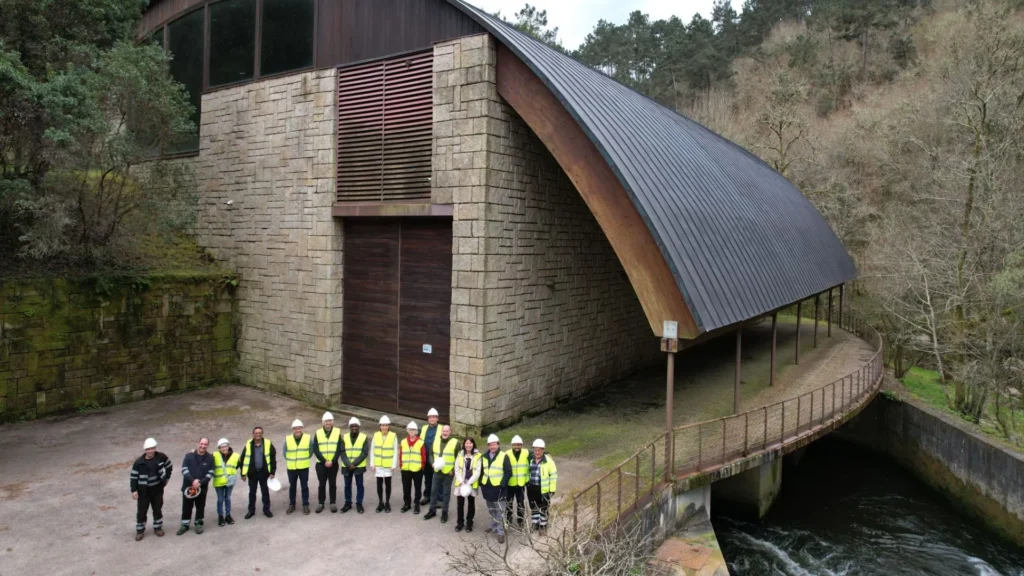
This strategic alliance strengthens Ecoener's commitment to the development and transition toward a clean energy model in the region.
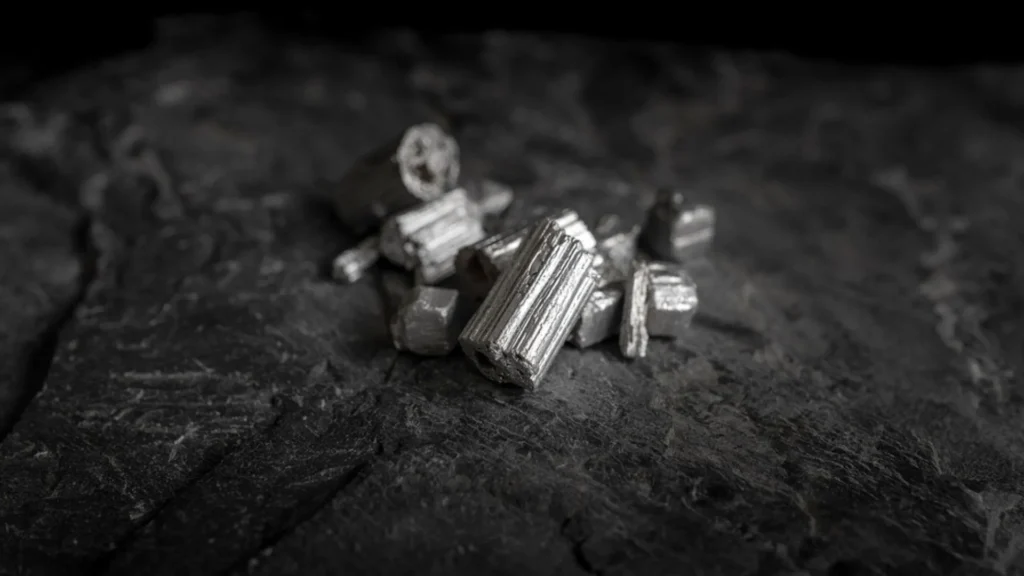
This agreement seeks to strengthen the production of high-performance permanent magnets used in electric and hybrid vehicles.