
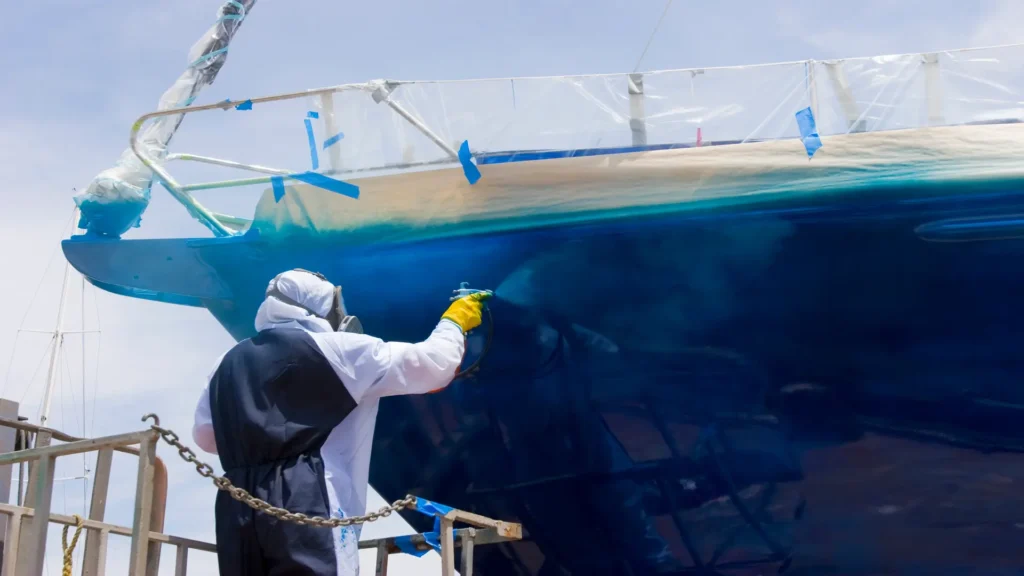
Marine coatings: Anti-fouling and biofouling control
Applying marine coatings ensures the operational efficiency of the maritime sector by controlling biological growth.

Industrial engineer and copywriter specialized in translating ideas into attractive content. With extensive experience in writing texts for different formats, including articles, blogs and ebooks, his ability to research and analyze topics allows him to create useful and accessible content for the engineering sector.
Applying marine coatings ensures the operational efficiency of the maritime sector by controlling biological growth.

Welding positions determine the orientation of the joint and influence the behavior of the molten metal and the weld bead.

Low-VOC coatings reduce volatile organic compounds, maintain mechanical performance and corrosion protection, promoting industrial sustainability and effective regulatory compliance.

Spill response plans are key to preventing and containing incidents, protecting public health and ecosystems.

Virtual reality allows inspectors to be trained in controlled and safe environments without physical risks.

The use of blockchain technology in the oil sector improves transparency, data traceability and transaction security, while optimizing supply chain management.

Considering the specific characteristics of various types of vessels and their safe handling, it is essential to ensure their compatibility with the docks.

The automation of maritime terminals arises from technological innovation, seeking efficiency in a competitive and technologically advanced market.
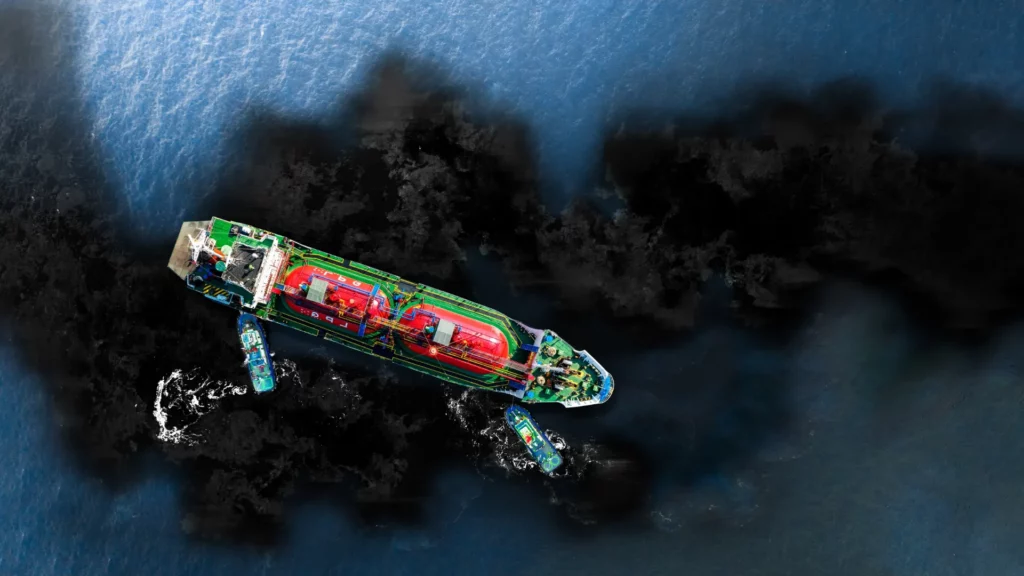
Oil spills pose a serious threat to marine ecosystems, causing devastating effects that can last for weeks or months.

Implementing the FMEA to identify and mitigate early failures, improving reliability and quality.

Cybersecurity in Oil & Gas is essential for successful, sustainable and secure operations, crucial for the global economy.

The role of green methanol in the energy transition, as an alternative to fossil fuels in key sectors.