
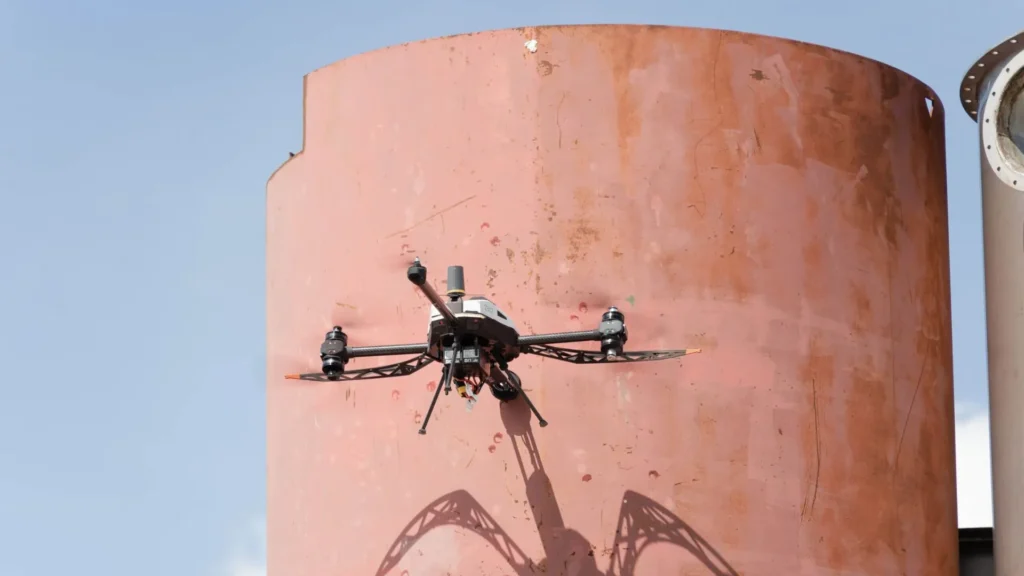
Voliro raises $12 million to expand drone use in industrial inspections
Voliro will be able to expand its innovative tilt-rotor drone technology, which has already reduced risks and costs at large companies such as Chevron and Holcim.

Industrial engineer, entrepreneur and copywriter with several years of experience in the digital world. A fan of reading and creative writing. Isbel has always been fascinated by topics related to the ocean and the mysteries of the universe. She has been part of the Inspenet team as a news editor since 2023.
Voliro will be able to expand its innovative tilt-rotor drone technology, which has already reduced risks and costs at large companies such as Chevron and Holcim.

The participants are leading specialists who will present the future of NDT technology by addressing different topics.
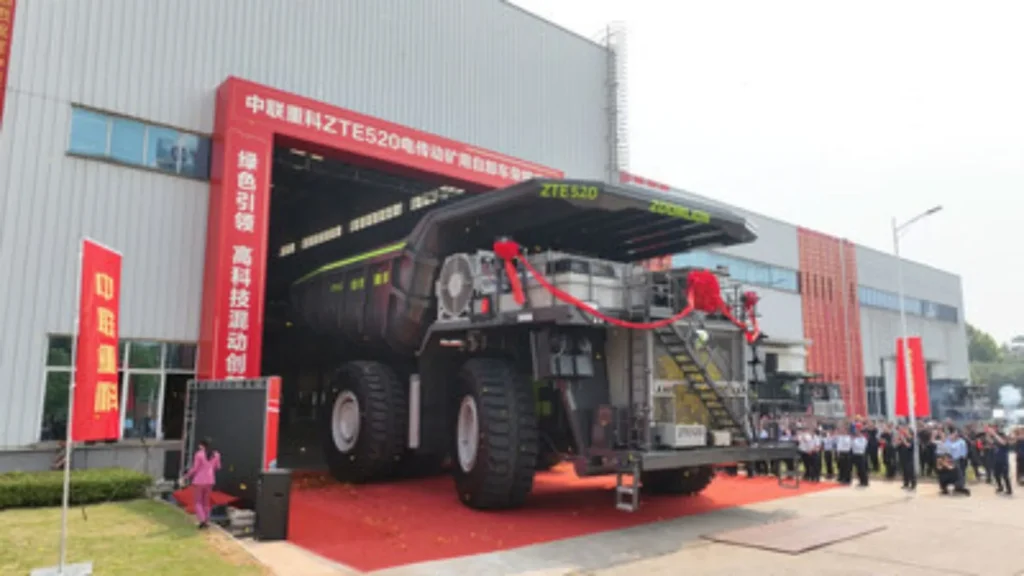
It has a capacity of 300 tons, reduces energy consumption by 15% and ensures more than 60,000 hours of useful life.

For a week, drones will light up the skies over Shenzhen's five districts.
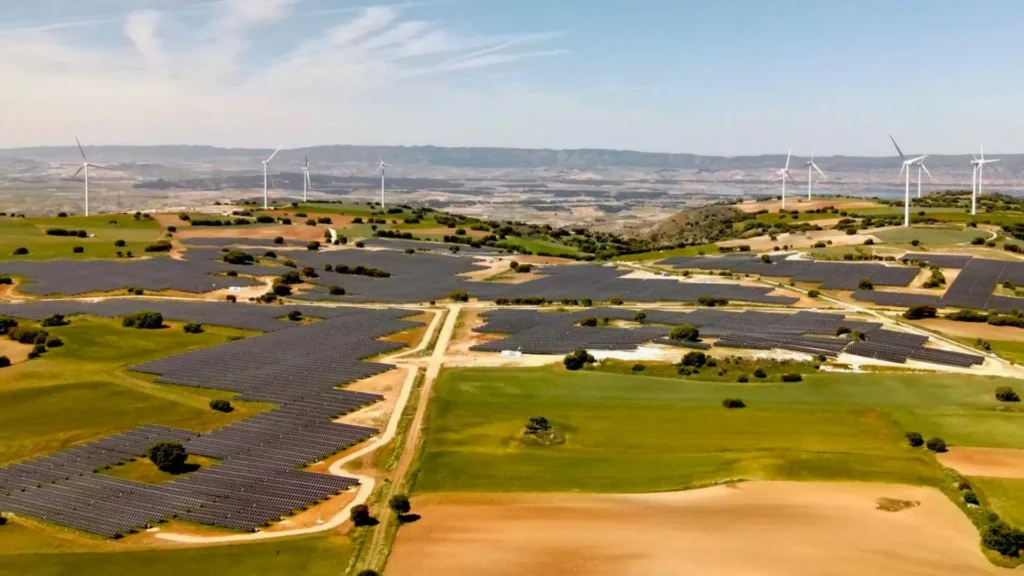
The energy generated will prevent the emission of more than 38,000 tons of CO₂ per year, which is equivalent to planting two million trees.

This brings to an end 142 years of coal-fired power generation in the UK.
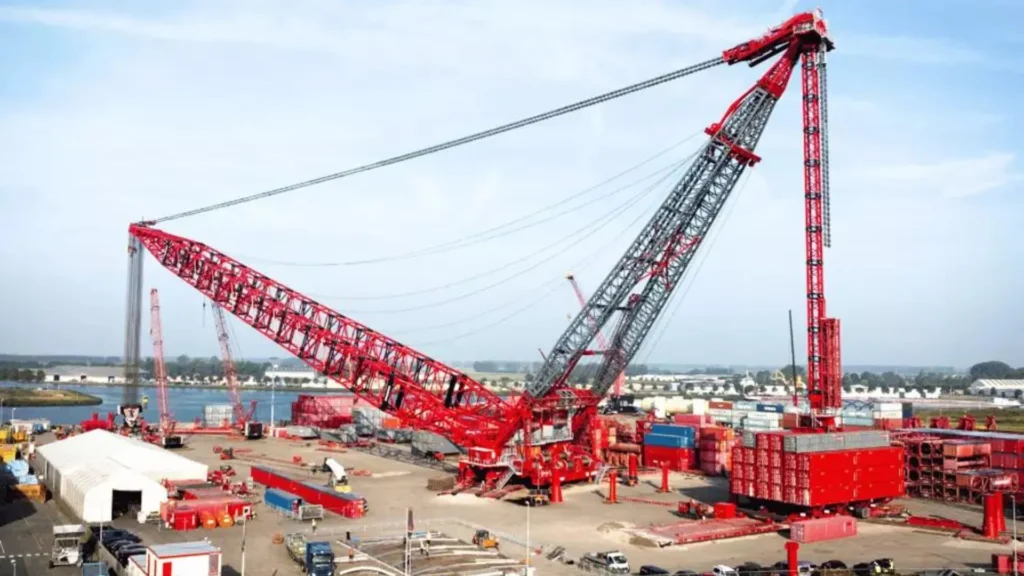
It is designed to be transported in containers, allowing it to be deployed anywhere in the world.
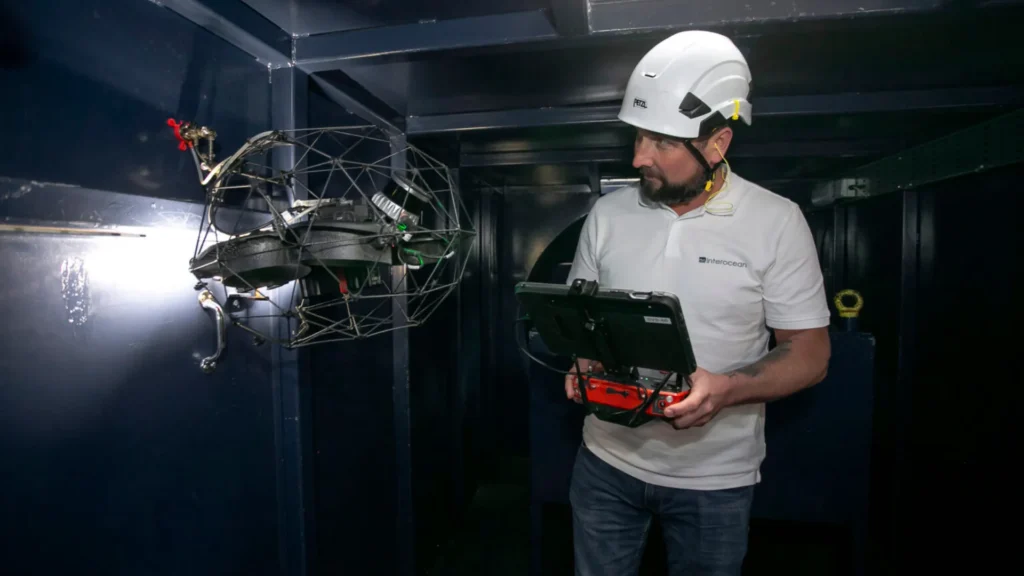
With this advancement, the company promises to deliver results more quickly and safely.
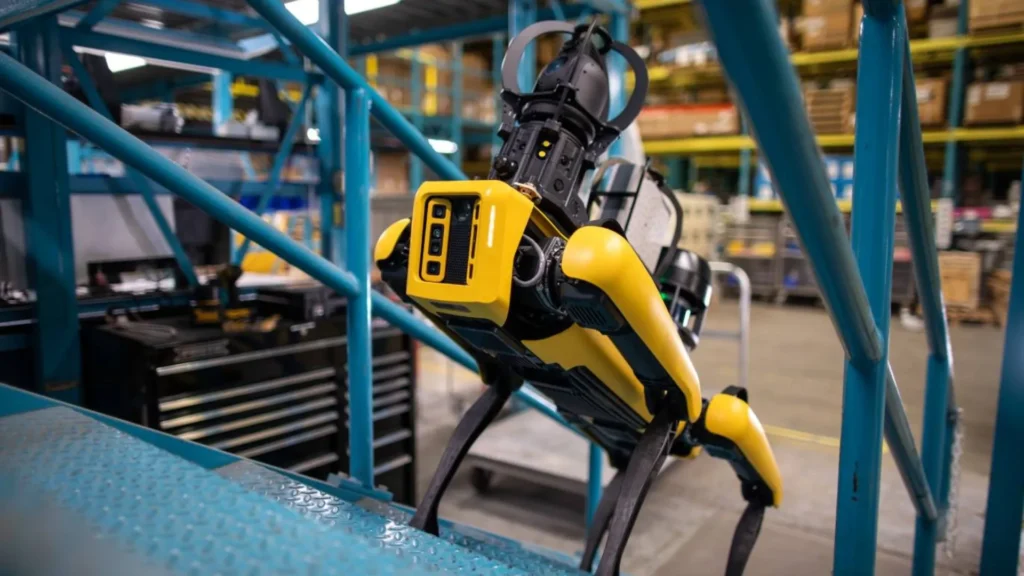
One of the improvements allows the robot to deviate up to 6 meters if it detects blockages on its predefined route.
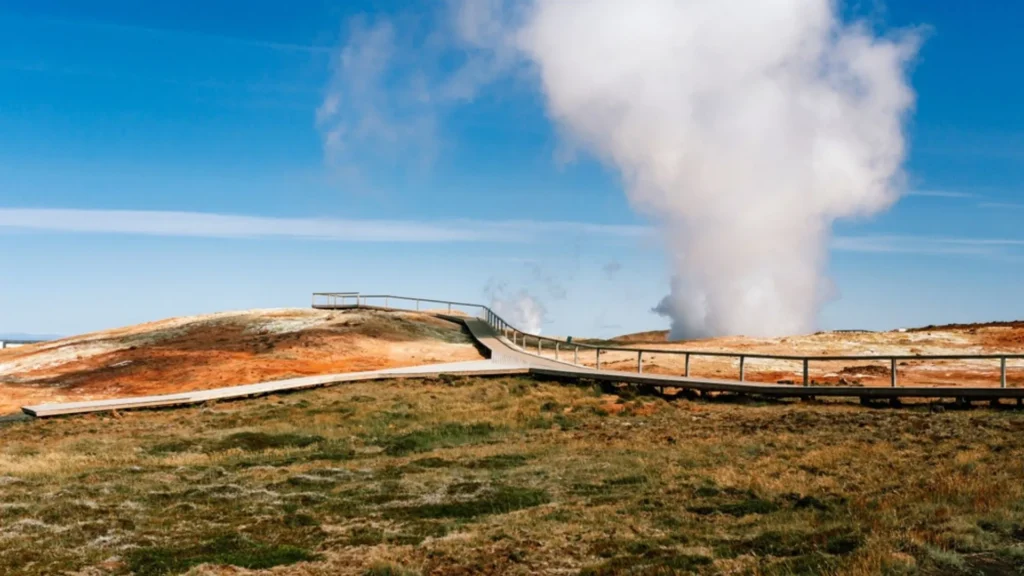
This would be the world's first geopressurized geothermal plant (GGS).
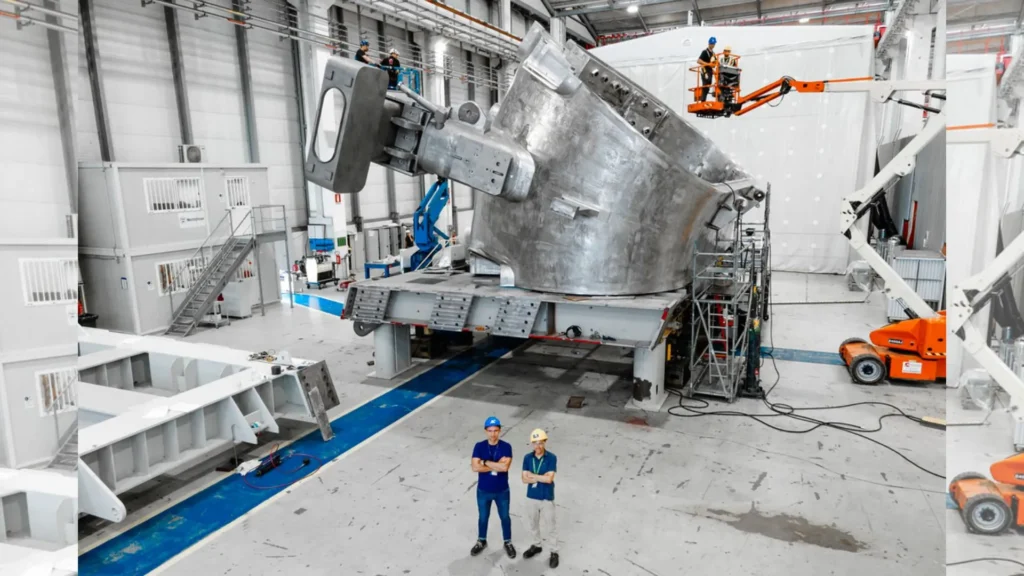
Each sector has approximately 150 km of welding seams.

Phased Array Ultrasonic Testing (PAUT) detects flaws like corrosion under insulation (CUI) in hard-to-reach areas, boosting safety and inspection efficiency.