
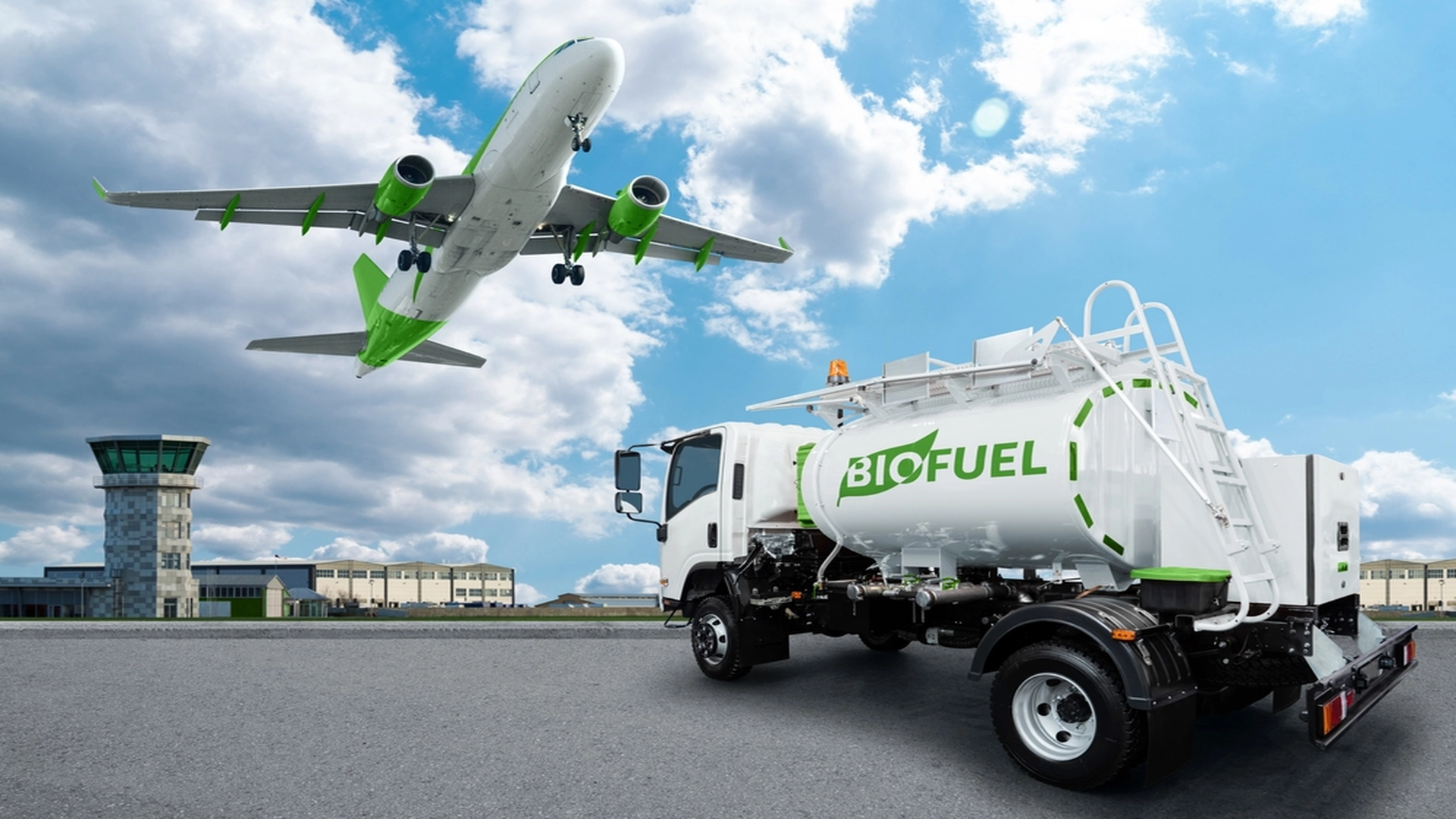
The global energy landscape is undergoing an unprecedented transformation. As global economies desperately seek alternatives to fossil fuels, high-efficiency fuels are emerging as the ultimate solution for achieving zero emissions in sectors that seemed impossible to decarbonize.
The question is no longer whether we will change, but when and how quickly we will adopt these innovative technologies that promise to redefine our relationship with energy.
Green Hydrogen and Ammonia: Industrial decarbonization
Green Hydrogen
Green hydrogen has solidified its position as the cornerstone of zero-emission energy in 2026. Produced through the electrolysis of water using renewable energy sources such as solar, wind, and hydropower, this fuel offers the highest energy content per unit of mass on the market: between 120 and 143 MJ/kg.
This exceptional energy density makes it the ideal candidate for applications requiring high power output, particularly in heavy-duty transport and large-scale industrial processes.
However, hydrogen presents significant challenges that the industry is actively addressing. Its low volumetric density requires complex storage systems operating at high pressure or under cryogenic conditions, which increases infrastructure costs. Despite these obstacles, hydrogen’s versatility, powering fuel cells, balancing electric grids, and serving as an industrial feedstock, justifies the massive investment that governments and companies are making across the entire value chain.
Green Ammonia
Green ammonia is emerging as a strategic ally to hydrogen, offering practical solutions to storage and transportation challenges. As a hydrogen carrier, NH₃ is significantly easier to handle than pure H₂, facilitating large-scale distribution. This characteristic positions it as a fundamental carbon-free fuel for international shipping and large-scale stationary power generation.
The adoption of green ammonia is not without its complexities. Its toxic nature requires strict handling protocols and robust safety systems, adding layers of regulation and operational costs. Nevertheless, its lower energy density compared to fossil fuels is offset by its compatibility with existing infrastructure and its capacity to be produced entirely from renewable sources, making it a promising option for hard-to-electrify sectors.
Synthetic fuels and SAF in transportation
Electronic fuels, or e-fuels, represent a brilliant strategy for decarbonizing sectors without abandoning existing infrastructure. Created by combining green hydrogen with captured CO₂, e-methane and e-methanol offer immediate compatibility with current gas systems.
This “plug-and-play” feature allows for a gradual but effective transition toward carbon neutrality in maritime transport, aviation, and power generation.
Sustainable Aviation Fuels (SAF) are marking a turning point in the aeronautical industry. These “drop-in” alternatives to conventional kerosene are manufactured from biological waste or through synthetic processes that combine captured CO₂ with green hydrogen.
By 2026, SAFs are projected to improve the efficiency of next-generation aircraft by more than 50% compared to traditional fuel, a technological leap that could transform commercial aviation.
Next-generation high-efficiency fuels
The production of e-fuels faces the critical challenges of scalability and cost. Currently, these synthetic fuels are significantly more expensive than their fossil counterparts, limiting mass adoption.
However, investments in higher-capacity electrolyzers, falling renewable energy prices, and government incentive policies are accelerating the learning curve, promising cost reductions of 60-70% over the next decade.
The true potential of synthetic fuels lies in their ability to close the carbon cycle. By using CO₂ captured directly from the atmosphere or industrial processes, these fuels can be technically carbon-neutral, offering a decarbonization pathway for sectors where direct electrification is technically or economically unfeasible, such as long-haul aviation and international shipping.
| Fuel Type | Energy Density (Gravimetric) | Est. Production Cost (2026) | Sustainability |
| Green Hydrogen | ~143 MJ/kg | $3.00–$6.00/kg | Zero carbon emissions |
| Blue Hydrogen | ~143 MJ/kg | $1.00–$2.00/kg | Low carbon (with CCS) |
| Sustainable Aviation Fuel (SAF) | ~43 MJ/kg | $0.80–$1.50/L | Carbon neutral |
| Conventional Jet Fuel | ~43 MJ/kg | $0.50–$0.70/L | High carbon emissions |
Advanced energy systems: Efficiency and versatility
Solid Oxide Fuel Cells (SOFC) represent a qualitative leap in energy efficiency. These high-efficiency systems can operate on multiple fuels, including hydrogen, ammonia, and biogas, offering unprecedented operational flexibility. Recent breakthroughs have successfully reduced operating temperatures from 700°C to approximately 500°C, dramatically increasing component durability and reducing maintenance costs.
Next-generation internal combustion engines have not become obsolete; rather, they are being reinvented. Current research focuses on “Ultra-High Efficiency Engines” (UHEE) and enhanced spark-ignition concepts designed to operate with high dilution and knock resistance. These developments promise improvements of over 20% in fuel economy, extending the lifespan of internal combustion technology in specific applications where electrification is not yet practical.
Supercritical CO₂ (sCO2) cycles are revolutionizing large-scale power generation. Demonstration facilities, such as the 10 MW STEP plant, use sCO2 instead of conventional steam, achieving significantly higher thermal efficiency within a smaller footprint. This technology could transform the power plants of the future, combining high efficiency with a reduced physical and environmental footprint.
Conclusions
The energy future will not be dominated by a single fuel or technology, but by a diversified portfolio of clean solutions. Advanced batteries will continue to dominate the light electric vehicle segment, while green hydrogen and ammonia will lead heavy transport and industry.
Third and fourth-generation biofuels, derived from algae and genetically modified microorganisms, offer sustainable alternatives that avoid the “food versus fuel” conflict.
This diversity of options, backed by massive investments in production and infrastructure, is essential for building a resilient, secure, and truly sustainable energy system that allows us to meet global climate goals without sacrificing economic development.