
Table of Contents
- Contextualization of lithium as a strategic resource
- Demand dynamics and projections to 2030
- Strategic projects and energy sovereignty
- Technological innovation: Direct Lithium Extraction (DLE)
- Long term feasibility and sustainability
- Redesign of the oil industry
- The oil brine model
- synergy and competitive advantage
- Geopolitics and resource distribution
- Integration of lithium into the hydrocarbon industry
- The “Oil Brine” model
- Toward a new energy paradigm: lithium, transition, and industry
- Conclusions
- References
Lithium is consolidating itself as a strategic energy resource, currently known as “Lithium White Gold”, within the contemporary global energy architecture. It plays a central role in the electrification of transportation, large-scale energy storage, and the stabilization of electrical grids with high penetration of intermittent renewable energy sources. Its relevance goes beyond the strictly technological sphere, extending into geopolitical, economic, and energy security dynamics.
The projected growth in demand, driven mainly by the deployment of lithium-ion batteries in electric vehicles (EVs) and battery energy storage systems (BESS), has led to a reconfiguration of supply chains, encouraging innovation in extraction technologies such as Direct Lithium Extraction (DLE) and promoting the active participation of the oil and gas (O&G) industry in the production of critical minerals.
This document technically analyzes the evolution of the market, its long-term viability, technological advances in its extraction, the geopolitical reconfiguration of its value chain, and its strategic integration within the operational model of the oil industry.
Contextualization of lithium as a strategic resource
Is a chemical element classified within the group of alkali metals, characterized by its high reactivity, low atomic weight, and high electrochemical potential. These properties make it an ideal material for use in energy storage systems, particularly in high-efficiency rechargeable batteries. From a physicochemical perspective, its ability to intercalate ions within crystalline structures enables reversible charge and discharge processes with relatively low energy losses.
Historically, has been used in industrial applications such as ceramics manufacturing, special glass, lubricating greases, and pharmaceutical compounds. However, the shift in the global energy matrix has redirected its use toward energy applications, especially lithium-ion batteries. This shift has generated a structural transformation in demand, concentrating approximately 80% of global consumption in the energy sector.
From a strategic point of view, it is positioned as a critical input due to its role in key technologies for the energy transition. Its availability, accessibility, and processing capacity directly influence the competitiveness of national economies and the resilience of energy systems. Consequently, its exploitation and commercialization are increasingly subject to public policies, environmental regulations, and national security strategies.
Demand dynamics and projections to 2030
The acceleration of the energy transition has generated exponential growth demand. According to recent projections, global consumption is expected to exceed 2.5 million tons of lithium carbonate equivalent (LCE) by 2025, reaching between 3.8 and 4.5 million tons by 2030.
This increase is directly linked to the growth of the electric vehicle (EV) market, energy storage systems (BESS), and emerging industrial applications. The electrification of heavy transport and the development of large-scale storage infrastructure are key drivers of this increase.
From an economic perspective, the lithium market has experienced remarkable expansion. What represented approximately 44.2 billion dollars in 2020 is projected to reach nearly 400 billion dollars by 2030. This growth reflects not only increasing demand but also the consolidation as a strategic asset in the global energy economy.
Currently, around 80% of produced used for battery manufacturing, significantly displacing traditional uses such as ceramics and lubricants. This demand concentration highlights lithium’s central role in the energy transition.
Structural demand growth
The global lithium market is experiencing accelerated growth driven by the electrification of transportation and the expansion of energy storage systems. Demand, measured in Lithium Carbonate Equivalent terms, shows an exponential trend driven by multiple converging factors, including the mass adoption of electric vehicles, the electrification of heavy transport fleets, and the deployment of grid-scale energy storage infrastructure.
Demand growth is not only determined by battery production volumes but also by the evolution of required energy densities, cycle life duration, and application diversification. In this regard, sectors such as electric aviation, residential storage, and industrial systems expand the consumption spectrum of lithium.
Market value evolution
The value market reflects sustained growth dynamics associated with investment in clean energy technologies and the expansion of electrical infrastructure. The reduction in battery cost per kilowatt-hour has been a determining factor in the mass adoption of these technologies, which in turn increases demand for raw materials such as lithium.
Additionally, the participation of institutional and corporate investors has intensified competition to secure long-term supply contracts, contributing to price volatility and the consolidation of strategic agreements. This dynamic creates a market highly sensitive to technological, regulatory, and geopolitical factors.
Strategic projects and energy sovereignty
Lithium has acquired a significant geopolitical dimension, becoming a strategic resource for states. Competition to secure its supply has driven investments, alliances, and public policies aimed at strengthening energy sovereignty.
The so-called “Lithium Triangle,” composed of Argentina, Chile, and Bolivia, concentrates approximately 56% of global resources. In this region, projects such as Caucharí-Olaroz and Centenario Ratones have attracted international investment, positioning Argentina as an emerging global producer.
Meanwhile, countries such as the United States and European Union members have intensified efforts to reduce dependence on China, which currently dominates around 60% is processing. Initiatives in the Salton Sea area and the development of hard-rock mining projects in Europe reflect this diversification strategy.
Australia, for its part, remains the leading producer of spodumene, consolidating its leadership through the expansion of local processing capacity, allowing it to capture greater value within the supply chain.
Technological innovation: Direct Lithium Extraction (DLE)
The extraction has evolved significantly in response to growing demand and the limitations of traditional methods. Brine evaporation, a widely used technique, presents challenges related to processing time, water consumption, and environmental impact. These factors have driven the development of alternative technologies that improve efficiency and reduce environmental footprint.
One of the most relevant advances in the lithium industry is the implementation of Direct Lithium Extraction (DLE) technologies. Unlike traditional evaporation-based methods, DLE allows lithium to be recovered from brines in significantly shorter times, reducing water consumption and environmental impact. This technology uses adsorbent materials or selective membranes that capture lithium ions directly from brine, significantly reducing processing times. It also allows for higher recovery rates, optimizing deposit productivity.
From an operational perspective, DLE facilitates integration with existing industrial infrastructure, reducing investment costs and accelerating project implementation. It also contributes to sustainability by minimizing water consumption and enabling the reinjection of treated brines into the subsurface. DLE represents a paradigm shift in lithium production, especially in regions where water availability is limited and environmental concerns are increasing.
The following video courtesy of SLi Standard Lithium presents a guided tour of Standard Lithium’s industrial-scale demonstration plant for direct lithium extraction from brine.

Standard Lithium LiSTR – Direct Lithium Extraction.
Long term feasibility and sustainability
The viability of lithium as a key resource for the energy transition is based on three fundamental pillars:
Technological scalability: Lithium-ion batteries, particularly LFP (lithium iron phosphate) and NCM (nickel-cobalt-manganese) chemistries, offer an optimal combination of energy density, lifespan, and safety. These characteristics position them as the dominant technology in the short and medium term.
Circular economy: Battery recycling will be essential to ensure lithium supply sustainability. It is estimated that by 2040, recycled could cover up to 25% of global demand, reducing pressure on primary resources.
Integration with renewable energy: Plays a fundamental role in stabilizing electricity grids based on renewable energy sources. Its storage capacity helps manage the intermittency of sources such as solar and wind, facilitating their integration into national energy systems.
Redesign of the oil industry
The emergence of lithium in the global energy landscape is generating a structural transformation in the oil and gas industry, forcing its main players to rethink traditional business models. Rather than representing a direct threat, is seen as a strategic opportunity to diversify operations, reduce exposure to hydrocarbon volatility, and align with global decarbonization goals. This transition does not imply an immediate abandonment of oil but rather an evolution toward broader and more resilient energy portfolios.
In this context, oil companies are leveraging decades of accumulated technical capabilities, particularly in deep drilling, reservoir characterization, complex fluid handling, and chemical processing. These competencies are directly transferable to lithium production, especially in brine-based projects. As a result, a technological convergence between both industries is emerging, where subsurface engineering and surface operations expertise accelerate the development of critical mineral projects.
Additionally, this strategic redesign responds to regulatory pressures, environmental commitments, and market expectations regarding ESG (Environmental, Social, and Governance) criteria. The inclusion of lithium in asset portfolios allows companies to improve their positioning with investors and regulators while contributing to the transition toward more sustainable energy systems.
The oil brine model
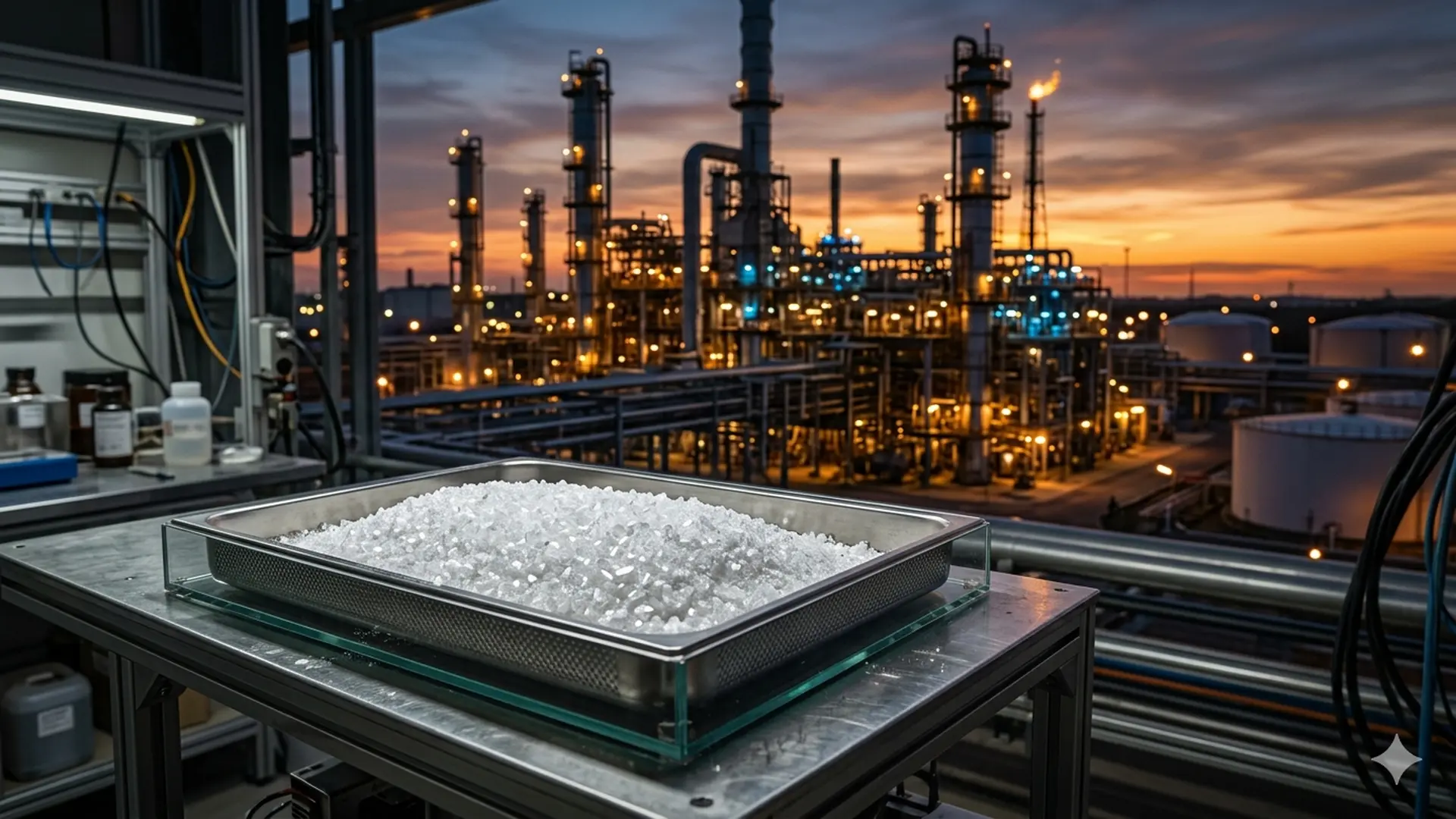
One of the most innovative developments at the intersection of the oil and lithium industries is the utilization of brines generated during hydrocarbon production. These streams, historically treated as waste or low-value byproducts, sometimes contain significant concentrations of dissolved lithium, depending on reservoir geology.
This approach represents a paradigm shift in resource management, transforming an environmental liability into a potential revenue source. Formations such as Smackover in the United States have demonstrated that lithium can be extracted from these brines using advanced technologies, opening new opportunities for the industry. This exploitation optimizes existing infrastructure, reduces capital costs, and minimizes environmental impacts associated with conventional mining.
From a technical standpoint, extraction from oil brines requires a detailed understanding of fluid chemistry, production dynamics, and reservoir conditions. The integration of selective separation systems, along with the reinjection of treated brines, helps maintain system balance and ensures process sustainability. This model improves operational efficiency while contributing to more responsible water resource management.
synergy and competitive advantage
Oil sector companies possess several competitive advantages that position them favorably in lithium development projects. Their experience in deep drilling and well operations provides unique access to complex geological formations, while existing infrastructure significantly reduces initial investment requirements.
Furthermore, expertise in fluid handling and chemical processes is essential for implementing Direct Lithium Extraction (DLE) technologies, which require precise control of temperature, pressure, and chemical composition. The ability to integrate these processes into existing facilities accelerates project timelines and improves economic efficiency.
Another key aspect is expertise in fluid reinjection, a widely used oil industry practice to maintain reservoir pressure. This capability is essential in brine-based lithium projects, enabling a closed-loop production cycle that reduces environmental impact and freshwater consumption.
From an environmental perspective, this integration improves ESG indicators by reducing carbon footprints compared to traditional open-pit mining. This positions oil companies as key players in the transition toward more sustainable critical mineral production.
Geopolitics and resource distribution
The geographical distribution of lithium resources shows significant concentration in specific regions, generating important geopolitical implications. Brine deposits in South America represent one of the main global sources of lithium, while hard-rock deposits in other regions complement supply.
This concentration has led consuming countries to adopt diversification strategies aimed at developing new projects and strengthening local processing capabilities. The lithium value chain depends not only on resource availability but also on refining and conversion capacity into battery-grade products.
In this context, supply chain control becomes a strategic factor influencing industrial competitiveness and energy security. Public policies, trade agreements, and infrastructure investments play a key role in shaping this landscape.
Integration of lithium into the hydrocarbon industry
The oil and gas industry possesses technical capabilities that facilitate its participation in production. Experience in drilling, fluid handling, and reservoir operations allows the use of brines generated during hydrocarbon extraction. These brines contain variable lithium concentrations that can be recovered using advanced technologies.
This approach transforms a byproduct of hydrocarbon production into a high-value resource, creating new business opportunities. Integrating lithium into existing operations optimizes infrastructure use and reduces operational costs while contributing to income diversification.
From a strategic perspective, this convergence represents an adaptation of the hydrocarbon industry to new energy market conditions characterized by the transition toward cleaner energy sources.
The “Oil Brine” model
Oil companies already move massive volumes of water. For every barrel of oil extracted, several barrels of salty water (brine) are often produced, historically considered a costly waste. Today, geological formations such as Smackover (USA) allow lithium extraction from these same brines.
And notably: On April 8, 2026, ExxonMobil announced the successful production of its first battery-grade lithium batch in Arkansas, marking the formal beginning of its era as a critical minerals producer.
Toward a new energy paradigm: lithium, transition, and industry
Lithium has consolidated itself as a structural axis of the global energy transition, redefining not only the world electricity matrix but also the industrial and geopolitical dynamics associated with critical resources. Its role in energy storage technologies positions it as an essential input for decarbonizing the economy and expanding renewable energy systems.
The convergence between the lithium industry and the hydrocarbon sector marks the beginning of a new hybrid energy paradigm, where technical capabilities, existing infrastructure, and technological innovation—such as Direct Lithium Extraction (DLE)—enable the accelerated production of critical minerals with greater efficiency and lower environmental impact.
In this context, the future of lithium will depend not only on geological availability but also on the ability of global actors to develop resilient, sustainable, and technologically advanced value chains that meet the growing demands of the energy transition.
Conclusions
Lithium White Gold has become a fundamental component in the development of energy storage technologies, especially lithium-ion batteries used in electric vehicles and BESS systems. Its importance continues to grow as renewable energy integration increases, since it enables grid stabilization and improves the efficiency of the global energy system. Therefore, its demand will remain a key factor in reshaping the global energy matrix.
Lithium White Gold is also driving a transformation in the oil and gas industry, where companies are adapting their business models to participate in value chain, leveraging their expertise in drilling, subsurface engineering, and brine management. This transition does not imply an immediate replacement of oil, but rather a diversification strategy aimed at integrating new critical resources, reducing exposure to energy market volatility, and aligning with environmental and sustainability requirements.
The development of technologies such as Direct Lithium Extraction (DLE) is improving the efficiency and sustainability of Lithium White Gold production by reducing extraction times and environmental impact. At the same time, the concentration of reserves and processing capacity in specific regions is creating geopolitical tensions and supply security strategies among consuming countries. Together, these factors will define the future structure of the market and global competition for lithium.
References
- International Energy Agency. (2024). Global critical minerals outlook 2024. IEA. https://www.iea.org
- U.S. Geological Survey. (2025). Mineral commodity summaries: Lithium. U.S. Department of the Interior. https://www.usgs.gov
- Benchmark Mineral Intelligence. (2024). Lithium market supply and demand outlook. Benchmark Mineral Intelligence. https://www.benchmarkminerals.com
- World Bank. (2020). Minerals for climate action: The mineral intensity of the clean energy transition. World Bank Group. https://www.worldbank.org
- Angulo, R., & Rojas, M. (2023). Lithium extraction technologies and sustainability challenges. Journal of Energy Resources, 45(3), 210–225. https://doi.org/10.1016/j.jer.2023.03.012