
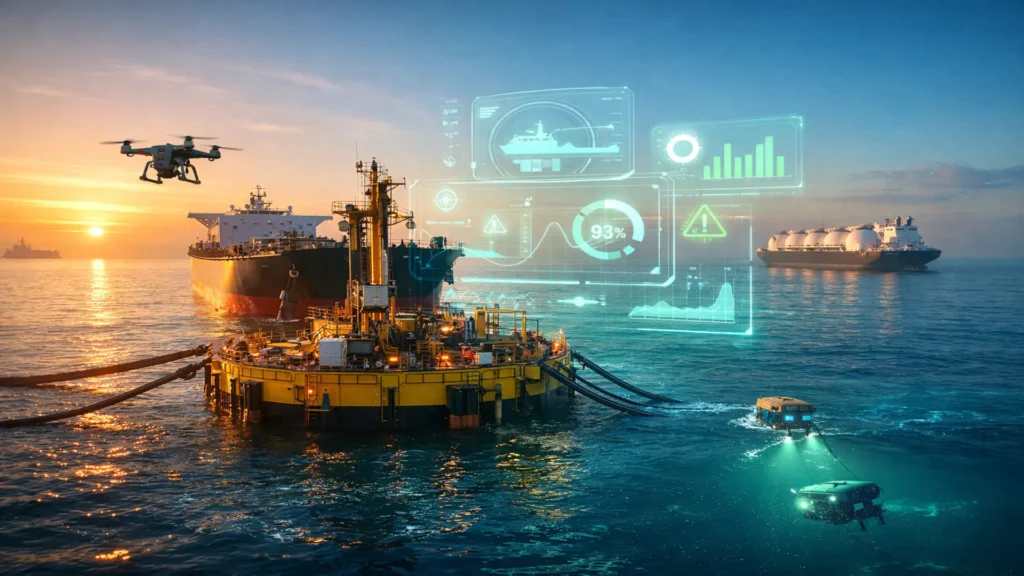
SLOM and operational developments in offshore terminals
Interview with Filipe Santana, president of SLOM, on operational safety, digitization, and energy transition in offshore terminals.
Interview with Filipe Santana, president of SLOM, on operational safety, digitization, and energy transition in offshore terminals.
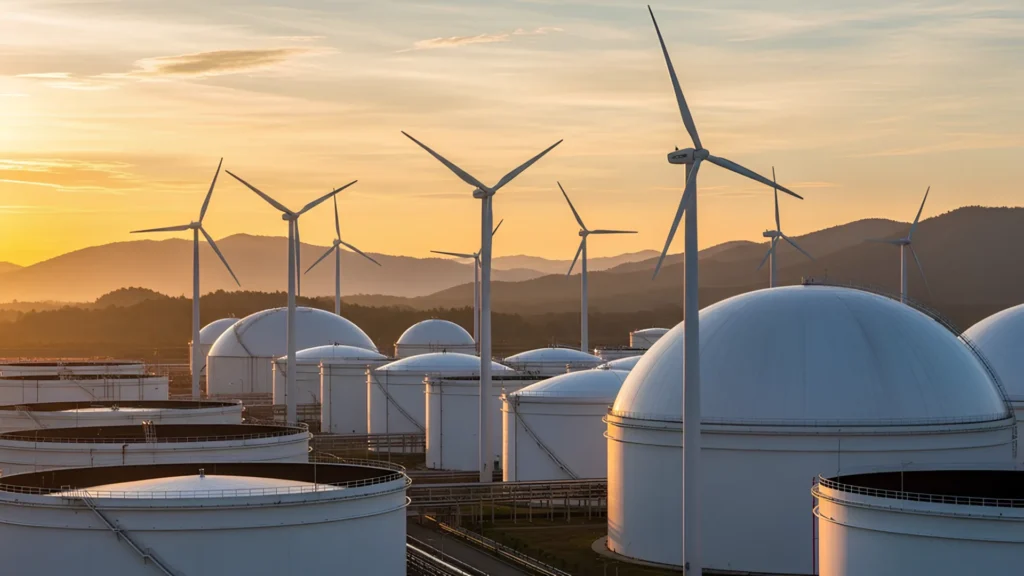
Fuel terminals adapt operations to regulatory pressure, emissions control, and digital monitoring requirements.
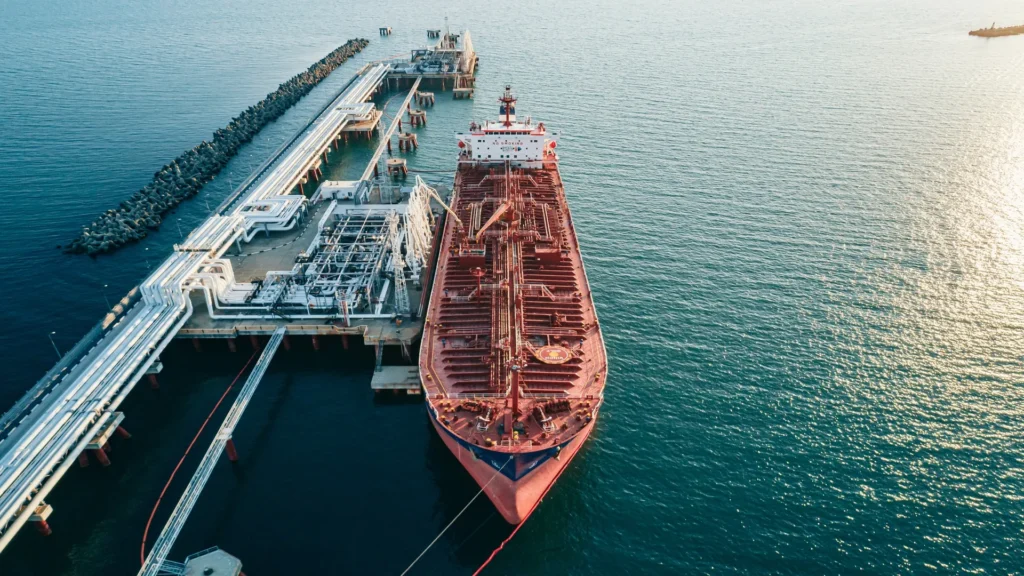
Marine terminals must adapt operations, safety frameworks, and skills to manage new fuels, decarbonization demands, and increasing operational complexity.
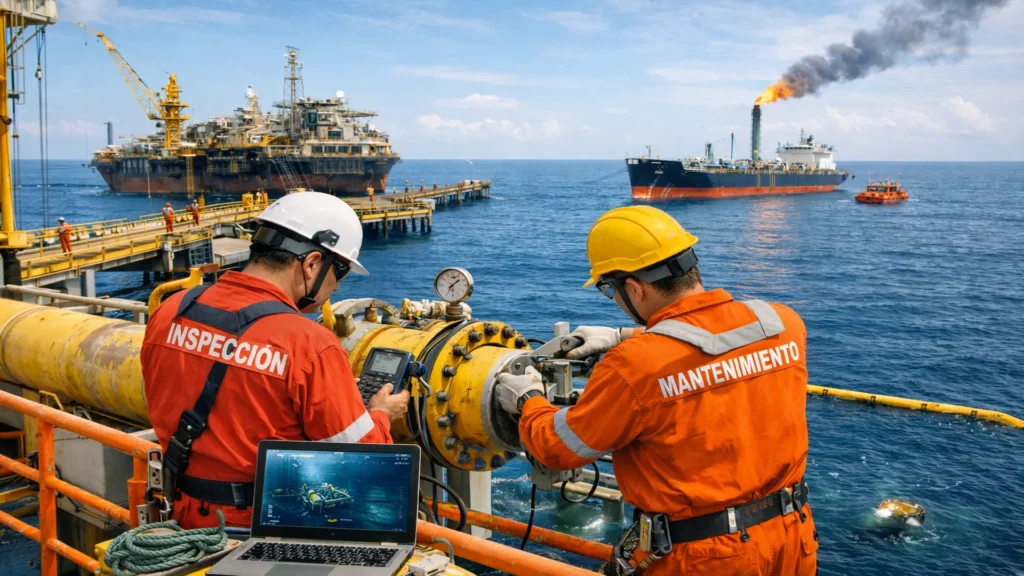
Optimizing integrity management in SPM systems is key to preventing premature deterioration caused by poor technical inspections.

Oil terminals are structures necessary for storing, transferring, and controlling hydrocarbons, ensuring logistical continuity, operational safety, and industrial integrity.

Staff expertise and judgment are essential to prevent risks and maintain reliable operations.

An approach that unites IoT, robotics and cloud analytics to monitor critical assets, reducing risks and strengthening human decision making.
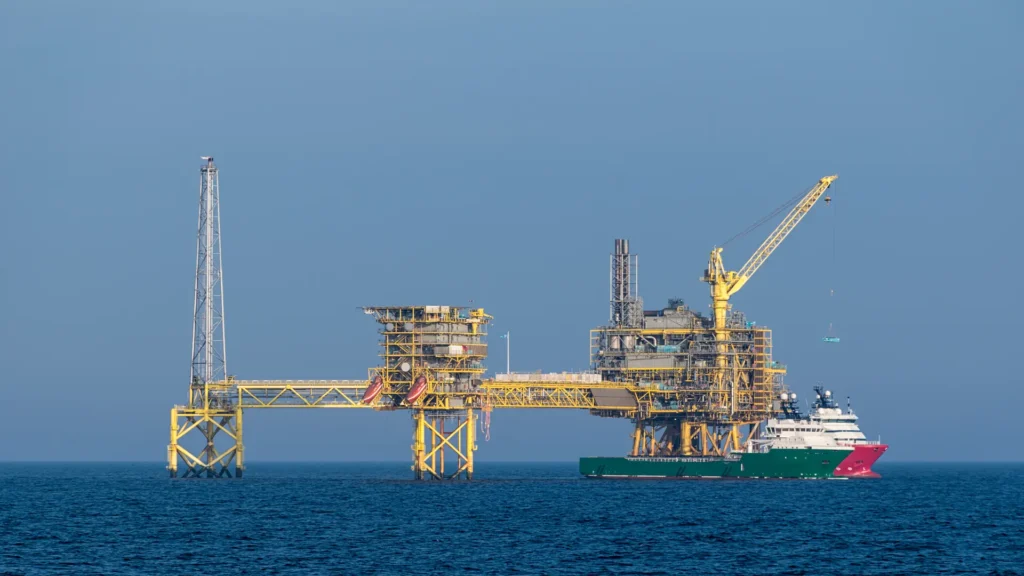
FPSOs currently under development incorporate gas-fired power generation turbines with waste heat recovery systems that achieve efficiencies of over 60%
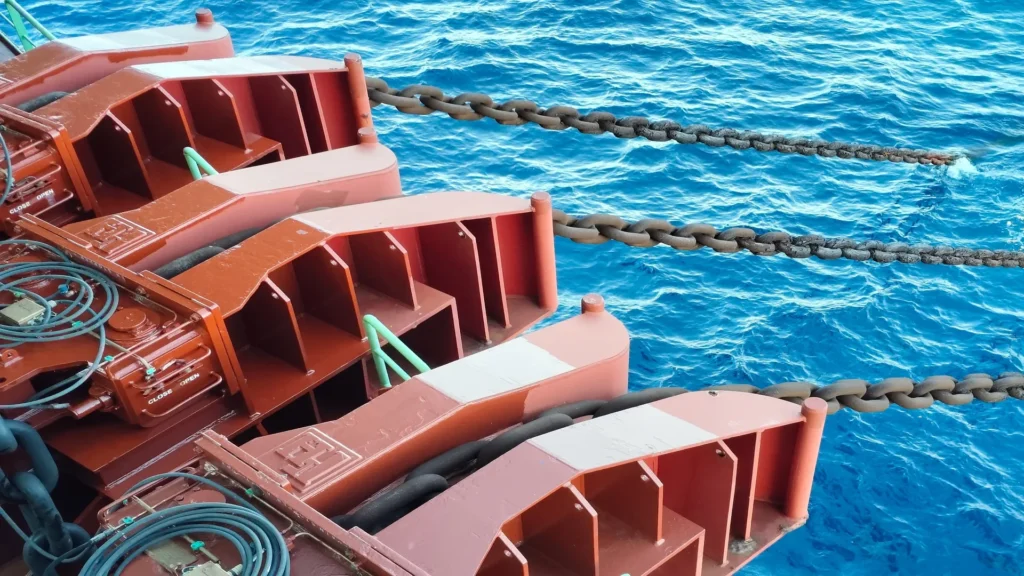
Lashing systems must be designed to minimize errors and protect people in every operation.
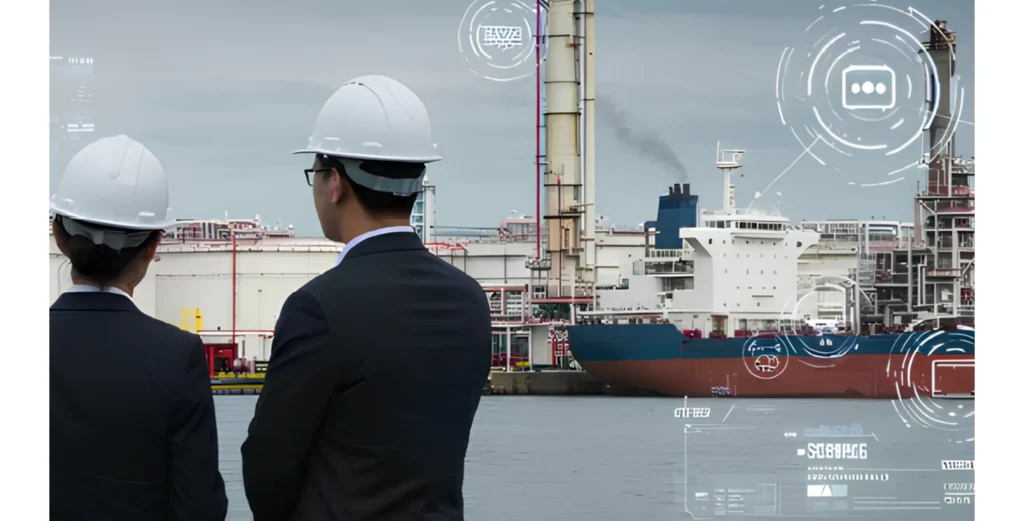
Modern tank farm and terminal management combines advanced technology with human leadership to ensure safe, accurate and reliable decisions.