
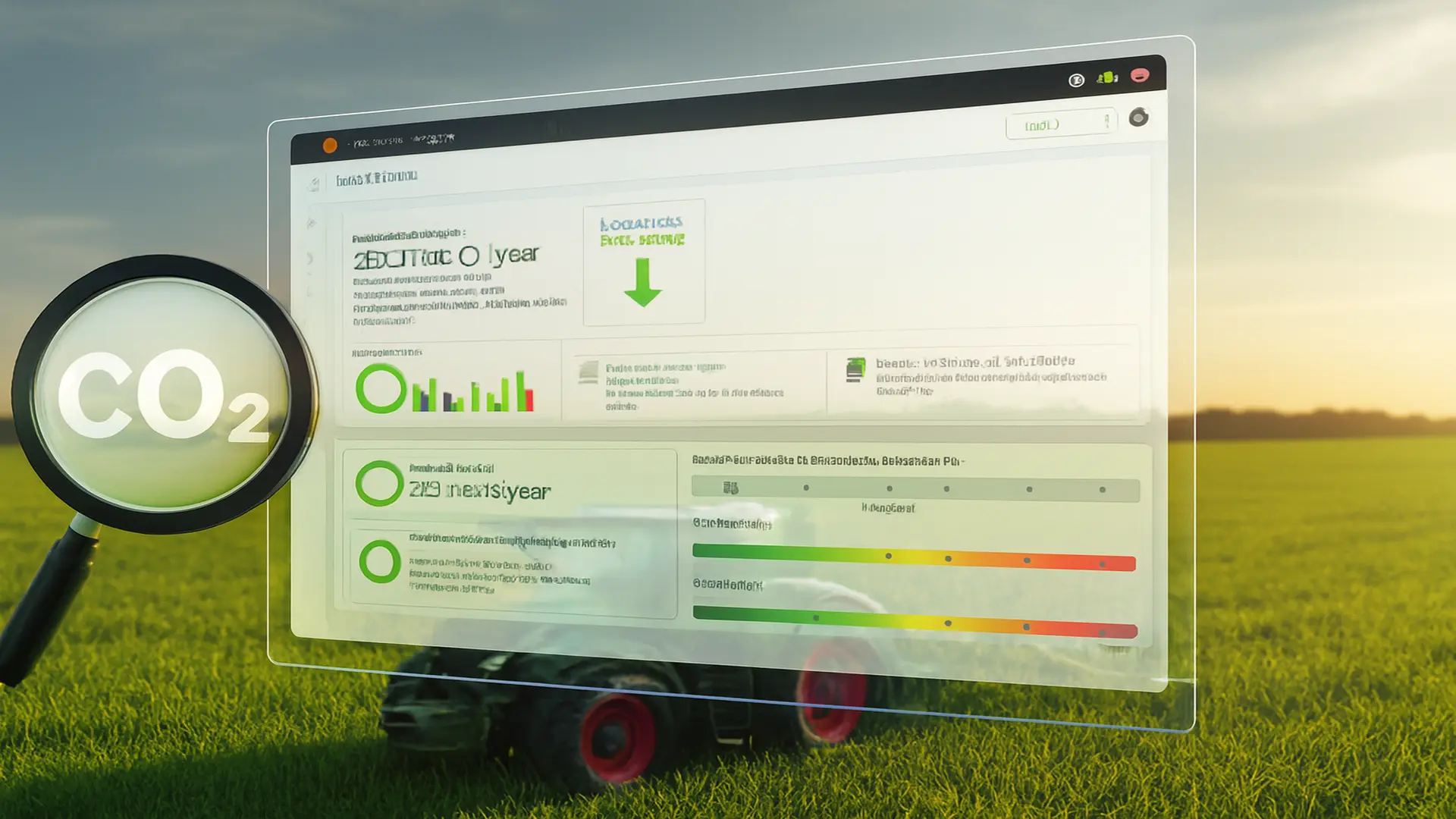
Carbon management software with MRV (Monitoring, Reporting, and Verification) functionalities centralizes and standardizes GHG emissions data for audits, ensuring transparency across scopes. These tools automate real-time tracking, facilitate regulatory compliance through auditable reports, and validate credits, improving data accuracy and integrity for neutrality.
As regulatory frameworks such as the Corporate Sustainability Reporting Directive and climate disclosure laws become more stringent, organizations face an uncomfortable reality: traditional measurement, reporting, and verification (MRV) systems cannot adapt to meet the demands of credible climate action.
Digital measurement, reporting, and verification (MRV) systems represent more than an incremental improvement over traditional approaches. These platforms integrate satellite imagery, Internet of Things sensors, artificial intelligence algorithms, and blockchain records to create a comprehensive accountability infrastructure that operates almost in real time. The implications extend far beyond regulatory compliance.
Carbon management software with MRV systems
Carbon management software integrates MRV systems (measurement, reporting, and verification) that go beyond data collection. These platforms combine IoT sensors, satellite imagery, artificial intelligence algorithms, and distributed blockchain ledgers, generating a comprehensive emissions control system that operates almost in real time. The adoption of these solutions has enabled organizations to reduce the time required for external verifications by up to 60% and improve data accuracy by approximately 40%, transforming information into verifiable evidence for auditors and regulators.
The accounting landscape has undergone a significant transformation in recent years. What began with manual spreadsheets and annual audits has evolved into advanced digital infrastructures capable of accurately tracking every ton of CO₂ across complex global value chains.
This evolution not only responds to increasing regulatory pressure arising from frameworks such as the Corporate Sustainability Reporting Directive and climate disclosure laws, but also to the need to build trust in the accuracy of emissions reports and in the effectiveness of corporate carbon reduction commitments.
Retrospective audits vs. validation logic
The verification layer represents the aspect in which digital MRV truly distinguishes itself from traditional approaches. Instead of relying exclusively on retrospective audits conducted by third parties months after emission events, these systems embed validation logic directly into data collection workflows.
Satellite imagery cross-checks reported land-use changes against actual ground conditions. IoT sensors provide independent verification of industrial process parameters.
The transformation extends to the way evidence packages are compiled for auditors and regulators. Traditional MRV required sustainability teams to manually assemble spreadsheets, supporting documentation, and calculation methodologies into coherent narratives for review.
Digital platforms automatically generate audit-ready reports that link each declared reduction to its underlying data sources, calculation parameters, and verification checkpoints. External verifiers can drill down from summarized figures to individual sensor readings, satellite images, or transaction records, following carbon accounting principles that demonstrate authenticity or reveal manipulation.
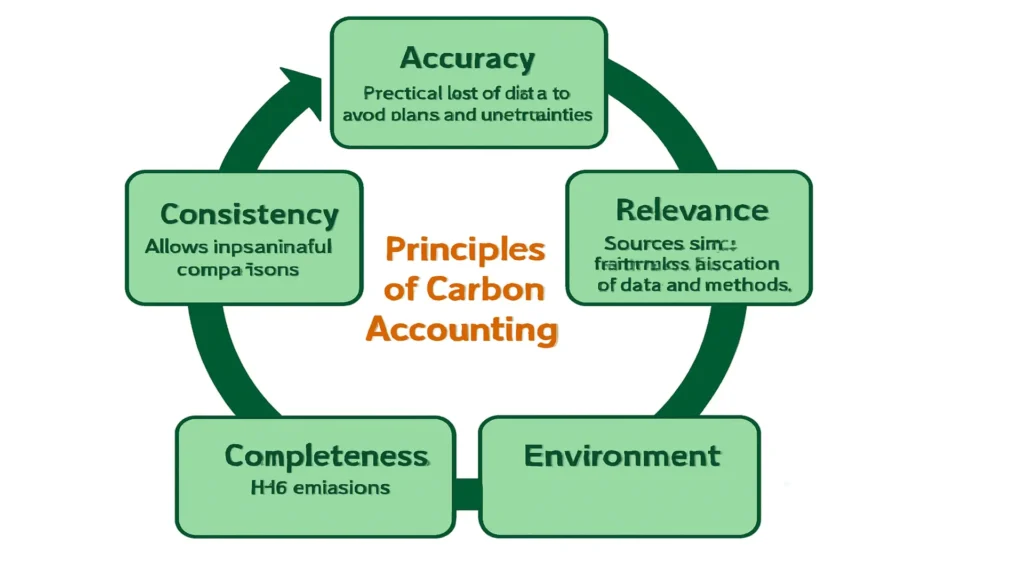
Transformation of data into auditable evidence
The true value of digital MRV lies in its ability to convert raw operational data into defensible evidence. Through automated ingestion of information from smart meters, fleet management systems, and supplier databases, carbon management software eliminates human error and provides continuous visibility into emissions flows. Automatically generated reports link each emissions reduction to its data sources, calculation factors, and verification checkpoints, ensuring transparency and traceability.
This structure is especially critical in tracking Scopes 1, 2, and 3 of the Greenhouse Gas Protocol, where each category requires specific and precise methodologies to ensure defensible accounting.
Scope 1: Software converts direct data on energy consumption, fuels, and fugitive emissions into carbon dioxide equivalent calculations using emission factors recognized by organizations such as the IPCC, the U.S. Environmental Protection Agency, and regional regulators. Periodically updated dynamic emission factors ensure that calculations remain aligned with current science and regulation.
Scope 2: Addresses the complexity of purchased electricity, distinguishing between location-based and market-based methods, and validating instruments such as renewable energy certificates to prevent double counting. The hourly granularity of data enables the identification of load-shifting opportunities that reduce emissions without affecting energy efficiency, a level of detail impossible to achieve with traditional audits.
Scope 3: Encompasses indirect emissions from the value chain and represents the greatest challenge. These emissions, which may account for between 70% and 90% of a corporate carbon footprint, require consolidating information from thousands of suppliers and customers with varying levels of transparency. The software enables the integration of this data, the identification of double-counting risks, and the systematic generation of verifiable evidence, strengthening corporate accountability and the credibility of climate commitments.
Controls and traceability: The foundation of audit
Digital MRV systems incorporate traceability controls that transform information into auditable and robust evidence for external verifiers. The implementation of blockchain provides immutability, decentralization, and transparency. Each emissions record receives a unique cryptographic hash, chained in such a way that any retroactive modification becomes detectable, ensuring data integrity. Smart contracts automatically execute validation rules, flagging anomalies in real time, enabling continuous oversight rather than relying solely on periodic audits.
The combination of these controls with ERP integrations and financial planning platforms creates bidirectional data flows, enabling unified governance and forward-looking models that anticipate regulatory impacts and emissions mitigation opportunities. Thus, MRV data becomes a strategic asset that supports business decisions, regulatory compliance, and transparency toward investors and customers.
Conclusions
MRV-based carbon management software constitutes a paradigm shift in emissions accounting. It not only enables compliance with regulatory obligations but also transforms data into auditable evidence, improving accuracy, traceability, and operational efficiency. The integration of Scopes 1, 2, and 3 into a digital system reduces human error, mitigates double-counting risks, and provides real-time visibility into impacts.
These systems are essential for consolidating trust in markets and in corporate sustainability commitments, enabling companies to proactively manage their footprint, optimize environmental performance, and comply with rigorous audit standards. The digitalization of MRV therefore represents an indispensable step toward a low-emissions economy and more transparent and verifiable emissions accounting.
References
- IPCC. (2019). 2019 Refinement to the 2006 IPCC Guidelines for National Greenhouse Gas Inventories. Geneva, Switzerland: Intergovernmental Panel on Climate Change. https://www.ipcc.ch
- Doran, P., & Ryan, C. (2021). Digital carbon accounting: Integration of MRV and blockchain for corporate sustainability reporting. Journal of Cleaner Production, 279, 123456. https://doi.org/10.1016/j.jclepro.2020.123456
- World Resources Institute & World Business Council for Sstainable Development. (2004). The Greenhouse Gas Protocol: A Corporate Accounting and Reporting Standard. Washington, DC: WRI/WBCSD. https://ghgprotocol.org