
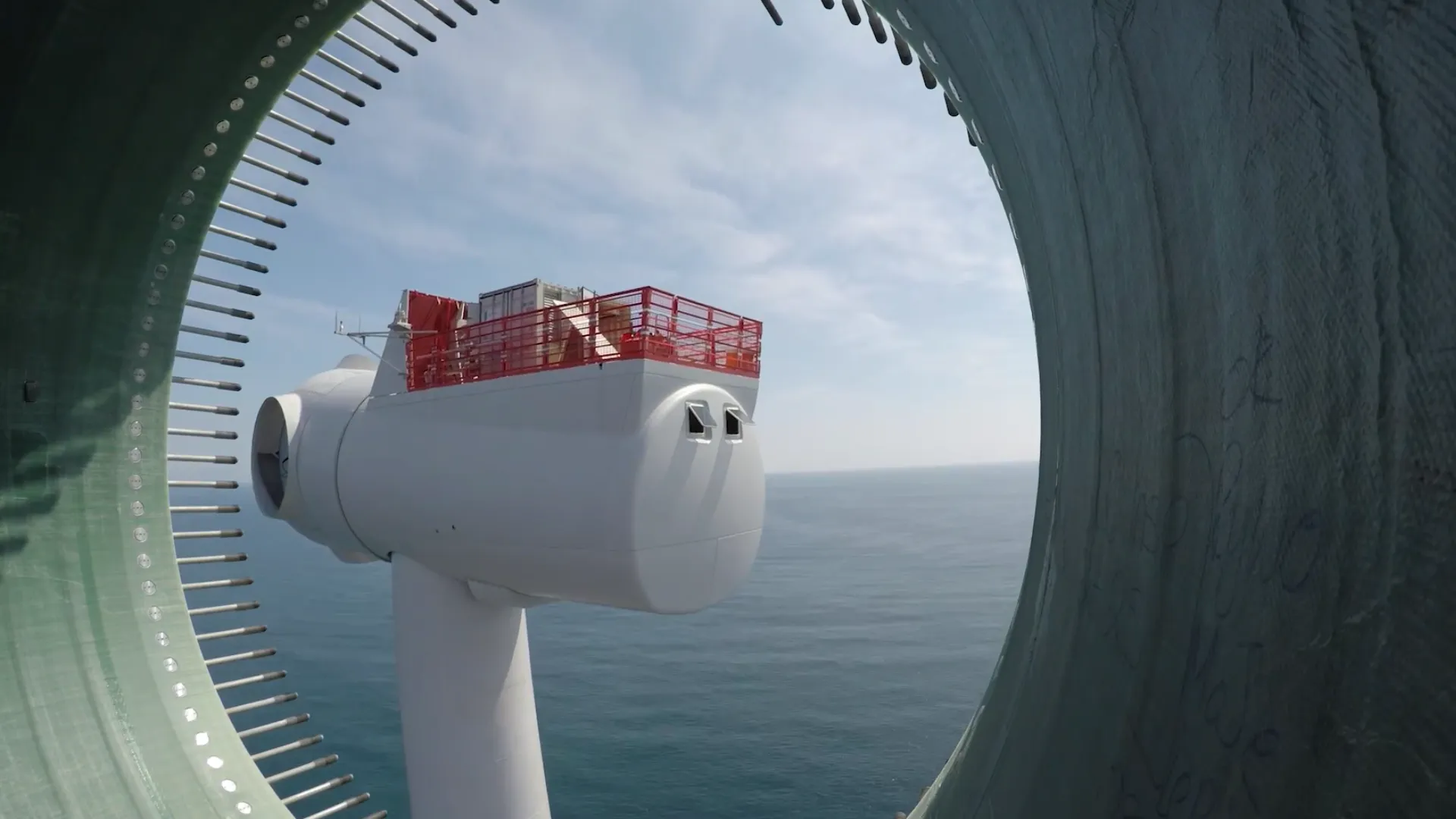
Full connection of the 200 MW Shahai wind farm
On February 3, the 200 MW Shahai wind farm developed by CHN Energy in Jianping County, Chaoyang City (Liaoning Province, China), achieved full grid connection, marking a milestone in the expansion of large onshore wind projects in northeast China.
This project, located in the mountainous area south of the city of Shahai, integrates a total of 38 wind turbines, consisting of 28 units of 5 MW each and 10 units of 6 MW each, reflecting the use of high-power turbines typical of recent wind power developments in China.
The system also incorporates seven 35 kV collector lines, a 220 kV elevator substation, energy storage systems and synchronous condensers that optimize the stability of the power flow to the regional power grid.
Energy impact and annual emissions reduction
Once fully operational, the farm is estimated to supply approximately 597 million kilowatt-hours per year to the grid, providing a significant contribution of renewable energy to the Liaoning power system. This clean generation has a concrete environmental impact: projected savings of 192,100 tons of standard coal per year, along with a reduction of 478,700 tons of carbon dioxide and about 7,200 tons of nitrogen oxides.
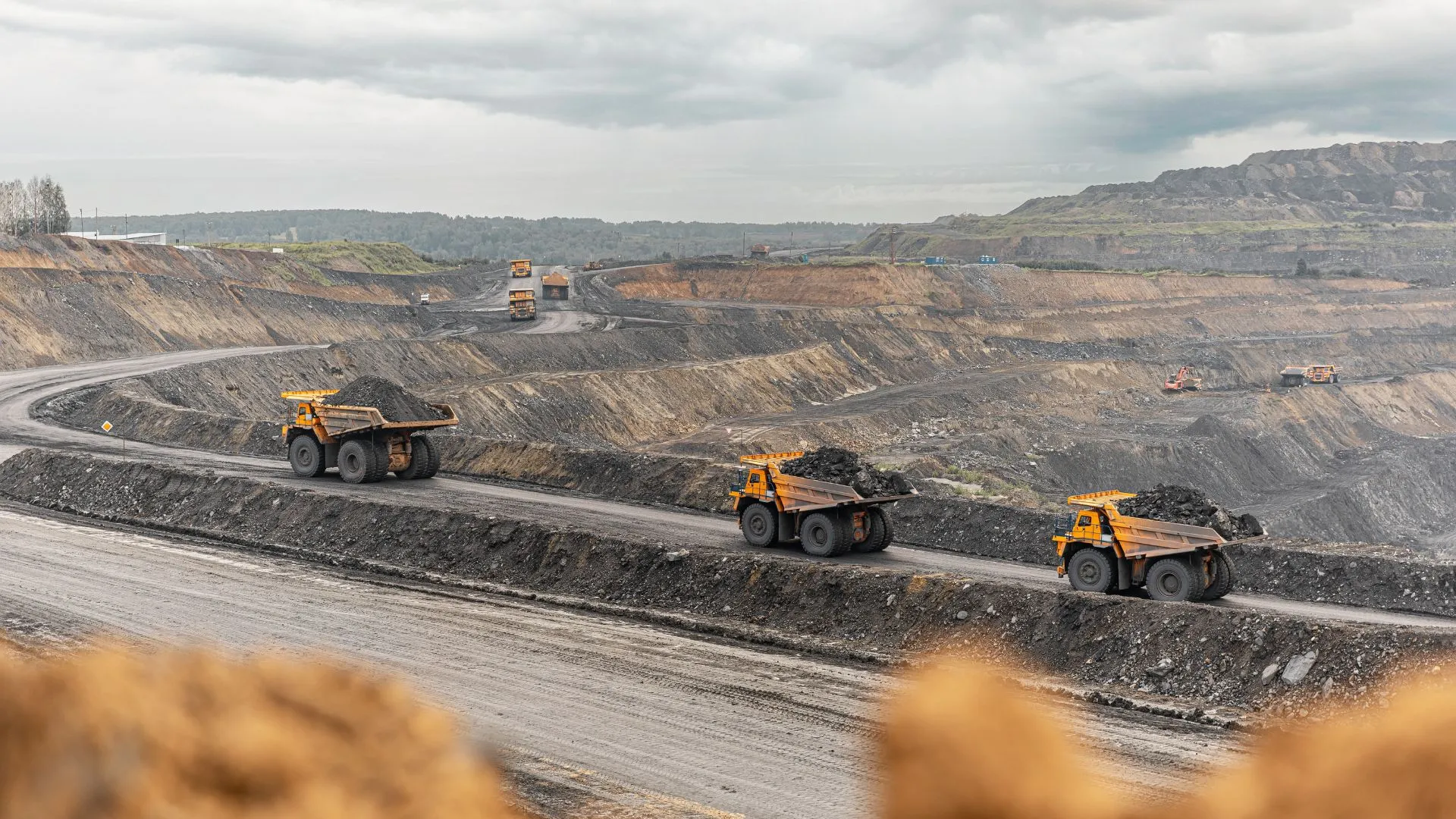
CHN Energy’s development and execution of the project faced significant technical challenges. The complex mountainous terrain, in addition to narrow and steep access roads, required rigorous engineering solutions for the transportation of shovels and large equipment.
Logistical challenges in mountainous terrain and winter
In addition, the region’s typical low winter temperatures posed severe operating conditions during construction. To mitigate these challenges, the project team optimized construction and logistics plans and implemented measures such as concrete pouring with heating and insulation systems, as well as continuous operations to ensure uninterrupted progress.
These types of projects highlight not only the technical capacity of the Chinese wind industry to drive large-scale installations, but also its role within a broader renewable expansion, where wind and solar are part of the pipeline of more than 1.3 TW of capacity planned and under construction in China.
Technical perspective: Why is this project relevant?
200 MW is a significant size for an onshore wind farm, especially with 5 and 6 MW turbines. Its expected annual production of nearly 600 GWh helps to integrate large-scale renewables into the regional energy matrix.
A 220 kV substation, storage and synchronous condensers underpin a more stable and adaptable generation to grid load variations.
The use of heated and insulated concrete, as well as advanced logistical planning, are examples of how modern engineering responds to demanding geographical and winter conditions.
Fossil fuel savings and emissions reductions demonstrate the real impact of renewable deployments of this type.
Source: https://www.ceic.com
Photo: Shutterstock