
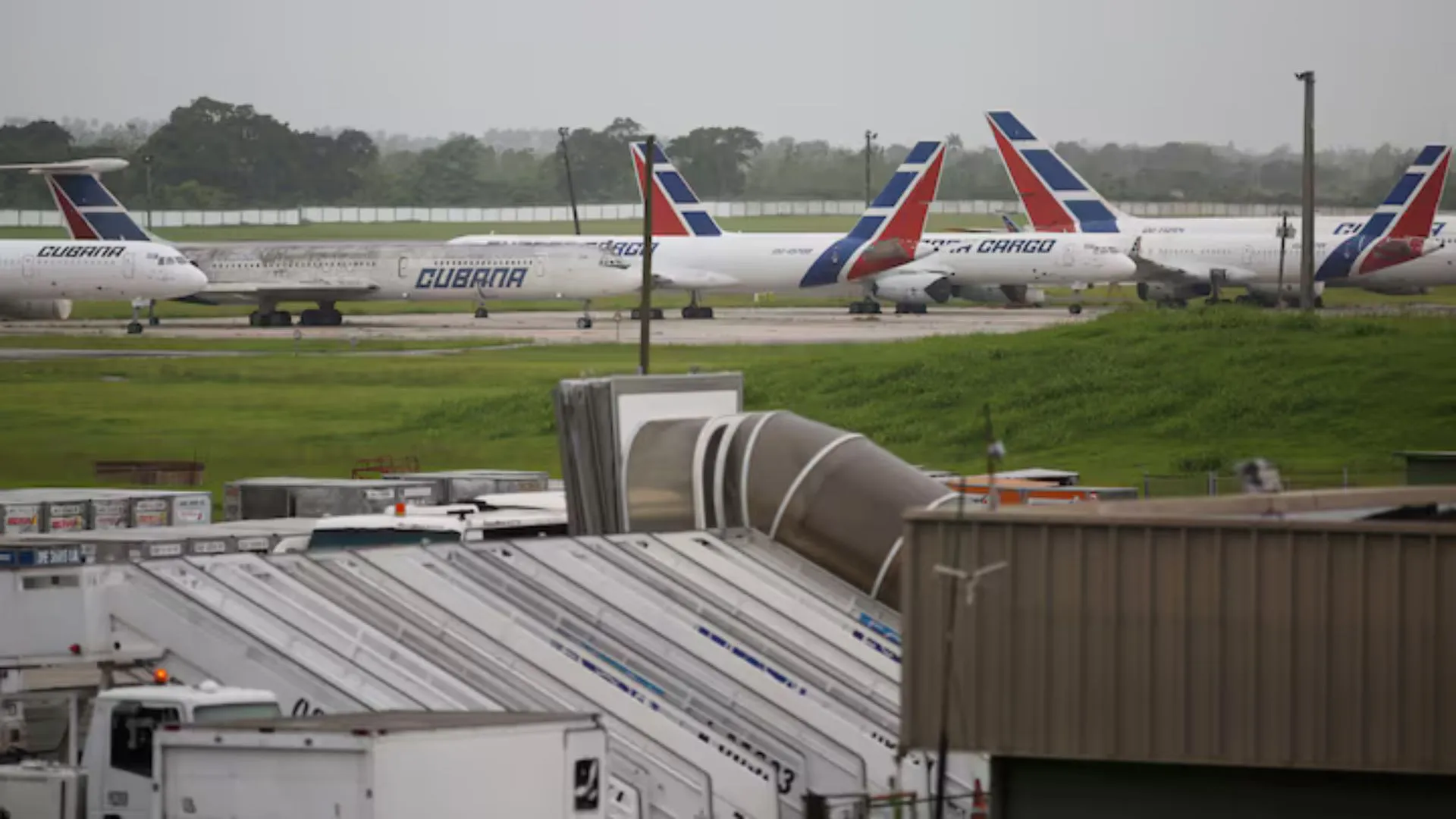
The warning of a possible fuel shortage shortage of jet fuel in Cuba The warning of a possible fuel shortage for planes in Cuba has materialized and several Canadian airlines have responded by suspending their flights to the island. The measure will be in effect from February 10 until at least March 11, and directly affects thousands of passengers who are in the middle of their vacation period.
Flights to Cuba and airline contingency plans
Air Canada, the country’s largest airline, decided to cancel its commercial operations to Cuban airports after international authorities issued a warning to pilots indicating that jet fuel supplies cannot be guaranteed at the island’s main destinations. As part of its mitigation strategy, the airline will send empty flights to repatriate approximately 3,000 passengers.
For its part, WestJet announced an orderly closure of its services to Cuba and began scheduling special flights for the return of its customers. Air Transat also suspended all its routes to the Caribbean country until the end of April, prioritizing the safe repatriation of affected travelers.
The geopolitical reason behind the shortages
Cuba has historically depended on Venezuela for the supply of oil derivatives. supply of petroleum derivatives, includingderivatives, including aviation aviation fuel.. However, since mid-December no shipments have arrived from its main ally due to a tightening of sanctions imposed by the United States, which has aggravated the situation at the island’s airports.
The shortage has forced airlines that still maintain active routes to Cuba, such as some U.S. and European airlines, to make technical stops for refueling in neighboring countries such as the Dominican Republic or Panama. Air Europa, for example, has adjusted its Madrid-Havana route with a stopover in Santo Domingo to ensure the necessary supply for its operations.
Travelers face uncertainty at airports
The measure has generated confusion among travelers and family members who found out about the cancellations when they arrived at the airports. Although some airlines have implemented information and support mechanisms, the lack of official communications from the Cuban Aviation Corporation (ECNA) has contributed to a sense of disorder and lack of clarity.
Meanwhile, flights from the United States continue to operate normally, since these companies travel with sufficient fuel from Florida, without depending on Cuban supplies.
Forecasts and future scenarios
Although it is estimated that the immediate impact could last for a month, experts warn that Cuba’s energy dependence and the geopolitical context could prolong the interruptions. Uncertainty over future crude crude oil shipments from Venezuela and threats of tariffs by the U.S. government further complicate the outlook for commercial aviation in the region.
Airlines continue to evaluate logistical alternatives, including refueling stops in third countries or temporary adjustments to their itineraries. For now, the priority is to ensure the safe return of passengers and to keep travelers informed of any changes in service.
Source and photo: Reuters