
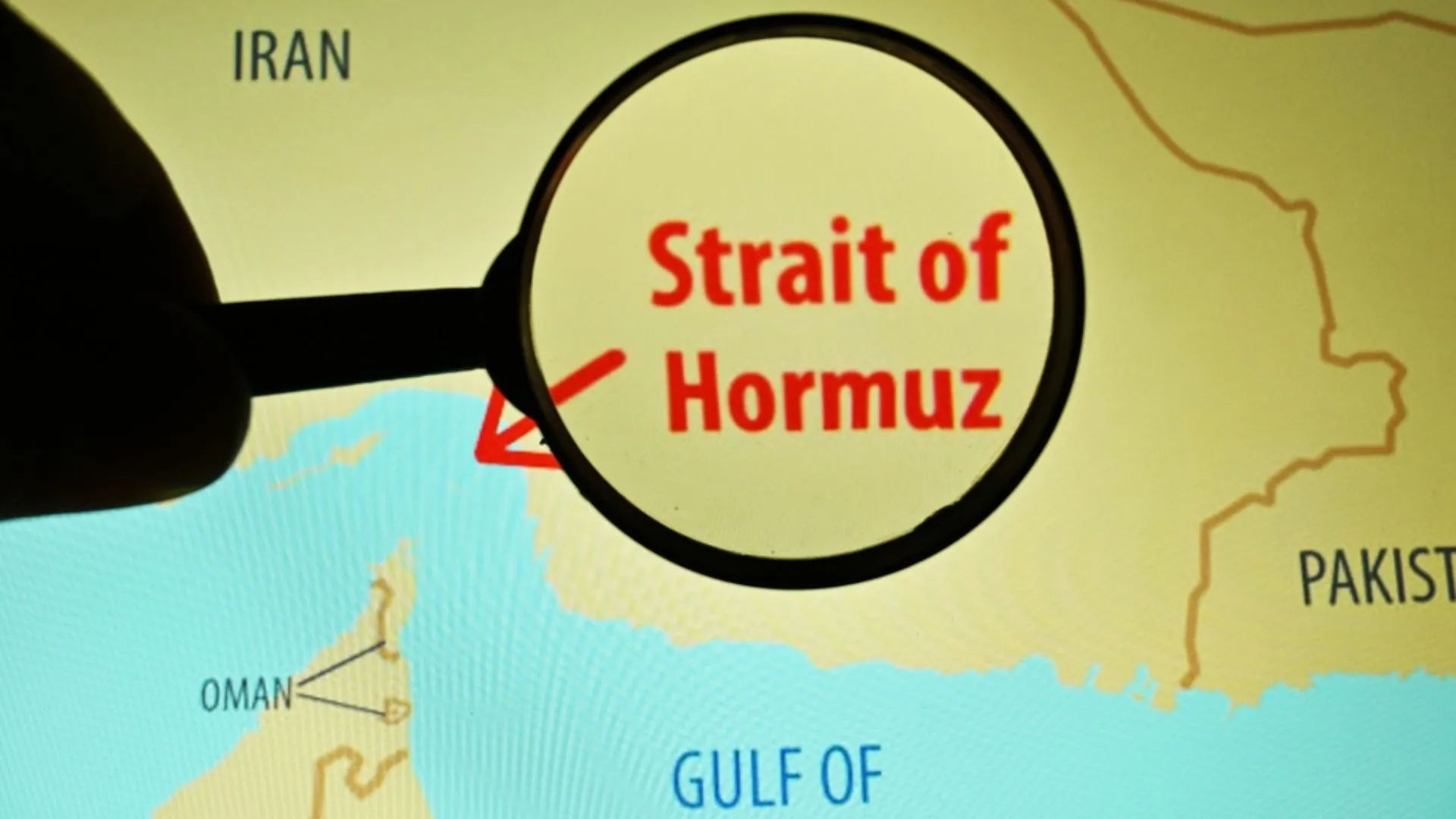
Oil prices registered a new rise as international markets assess the geopolitical risks in the Middle East, particularly between the United States and Iran. The recent tensions in the Strait of Hormuza strategic route for global crude oil trade, rekindled fears of possible supply disruptions.
Oil prices rise on new security alerts
On Tuesday, the Brent crude oil rose 0.5% to $69.41 per barrel, while West Texas Intermediate (WTI) was up 0.4% to $64.61. The price rally followed new guidelines from the US Maritime Administration, which advised commercial vessels to avoid Iranian waters and reject any boarding attempts.
The situation occurs in a context of global oversupply, which has generated volatility in the market.
The market remains focused on tensions between Iran and the United States, but without concrete supply disruptions, we could see a downward correction in prices.
Tamas Varga, PVM analyst, said.
The Strait of Hormuz, a key point of global supply
The Strait of Hormuz, located between Oman and Iran, is responsible for the transit of about 20% of the world’s oil. Countries such as Saudi Arabia, Iraq, Kuwait and the United Arab Emirates export their crude oil there, so any escalation could seriously affect global supplies.
Although U.S.-Iran nuclear talks brokered by Oman have gotten off to a “good start,” according to Iranian diplomats, uncertainty persists. Goldman Sachs analysts warn that the risk of an escalation is keeping a risk premium on the crude oil price.
For its part, the European Union plans to toughen sanctions against Russia, including ports in third countries that handle Russian oil. Meanwhile, India has redirected its purchases to West Africa and the Middle East, temporarily moving away from Russian crude as part of a potential trade deal with Washington.
The combination of diplomatic tensions, maritime security warnings and global supply strategies continues to be the main driver of short-term oil price fluctuations.
Source: Reuters
Photo: Shutterstock