
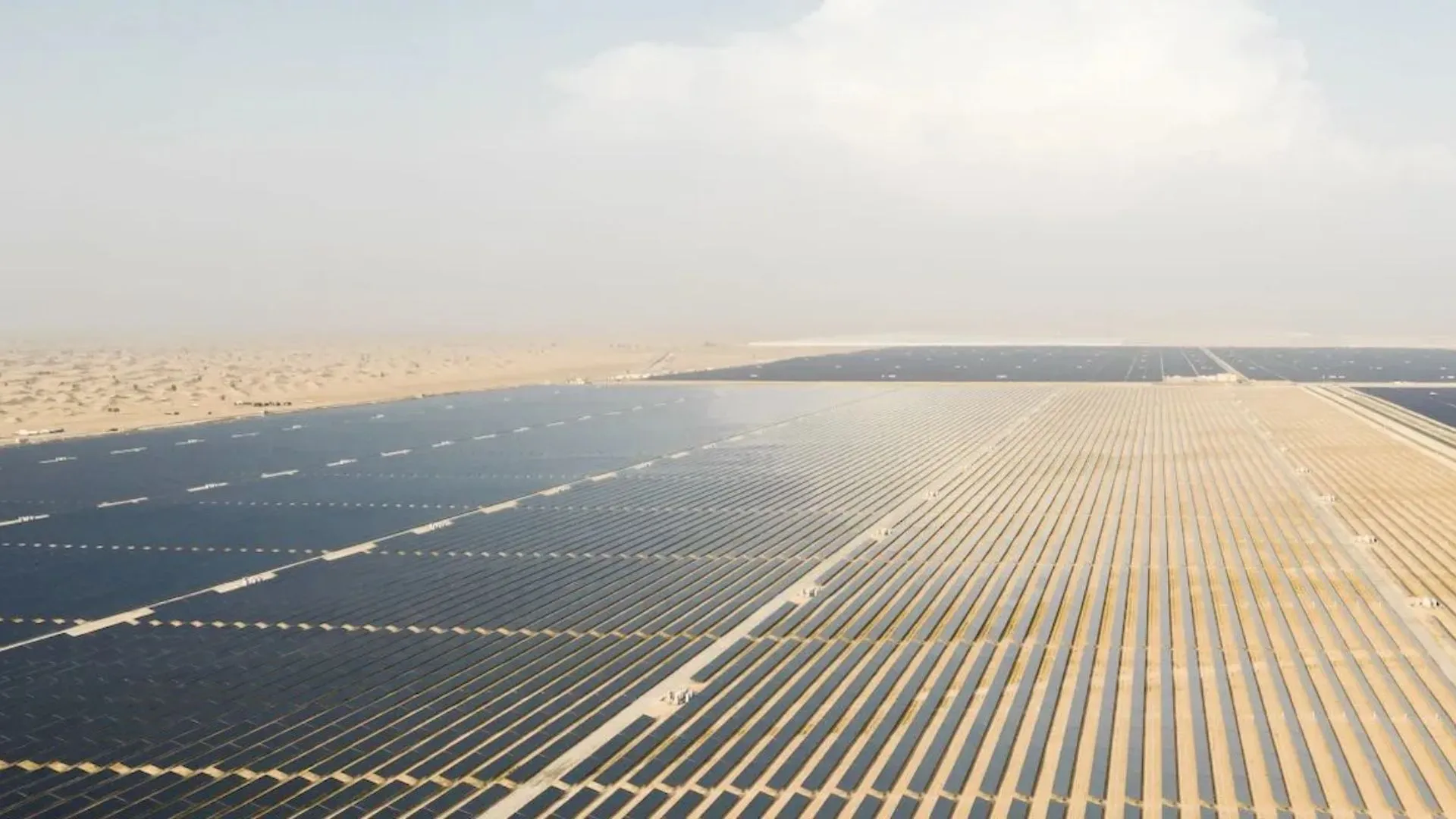
Solar and wind capacity in the Middle East and North Africa continues to expand, driven by the sustained increase in electricity demand and the emergence of new energy-intensive uses. Moreover, the latest energy models point to a structural change in the regional matrix over the next two decades.
Increased solar and wind capacity
The Gulf countries are deploying large-scale solar projects and storage solutions that seek to ensure continuous supply and system stability. In parallel, the region maintains its role as a global supplier of oil and gas. global supplier of oil and gasbut integrates low-cost electricity as a key driver of its industrial competitiveness.
Moreover, the electrification of sectors such as data centers, electric mobility and the production of green hydrogen is accelerating energy consumption. Added to this is international regulatory pressure to encourage the use of low-carbon energy within industrial value chains.
The solar technology technology accounts for most of the new installed capacity thanks to the availability of resources and economies of scale. By the end of the decade, its contribution to the regional electricity system will steadily increase, especially in combination with batteries that allow greater operational flexibility.
Although starting from a smaller base, wind power is growing steadily and complementing solar generation by providing nighttime and seasonal electricity. Energy storage is emerging as a decisive component as it progressively replaces thermal power plants in peak management and system backup.
Projections indicate that by around 2040, renewable generation will grow at a faster rate than total electricity demand. This progress will accelerate the penetration of clean energy in the regional energy mix and redefine electricity infrastructure planning.
Source and photo: DNV