
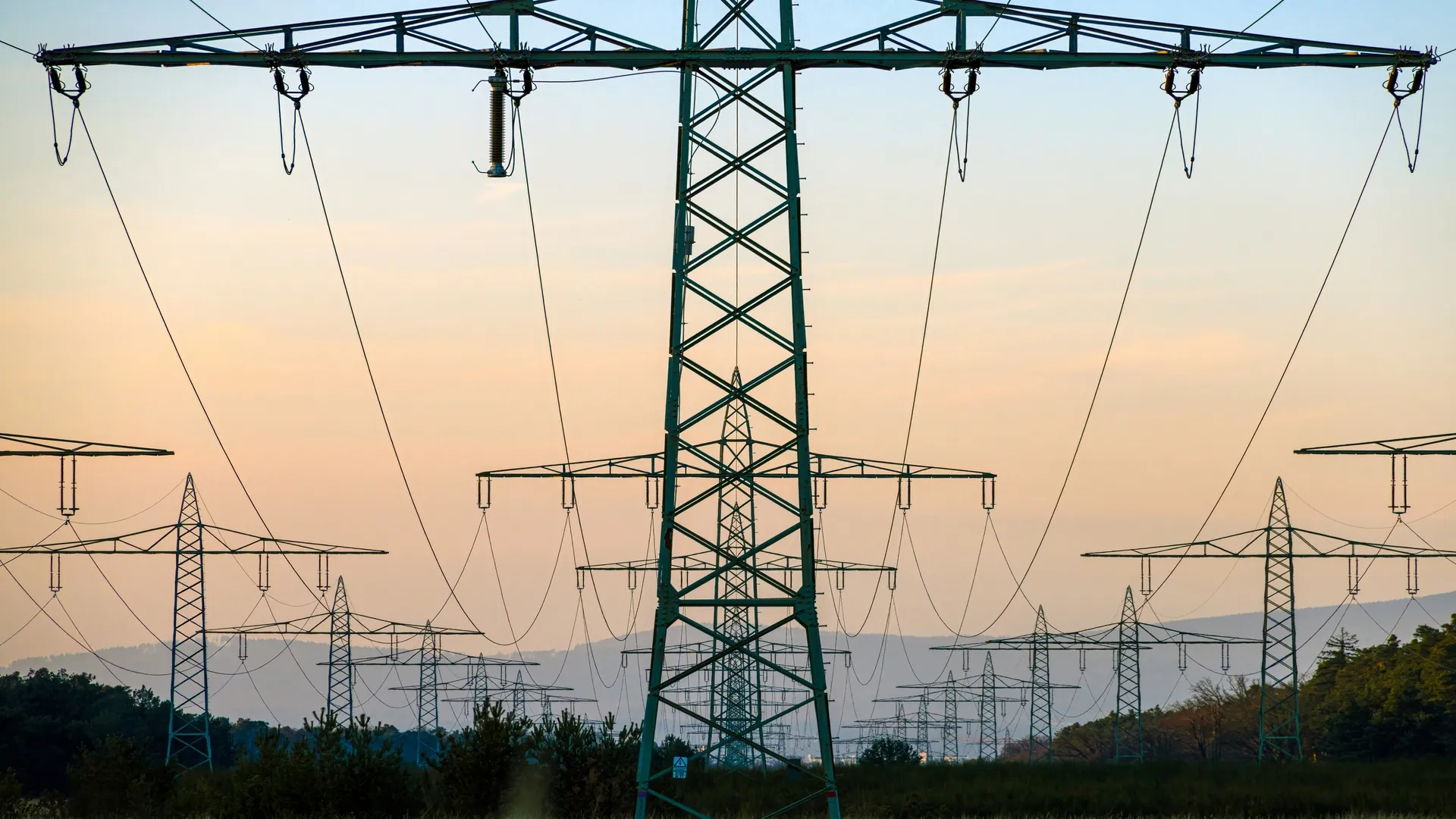
From April 2026, the German power grid will adopt a new procedure for managing connection requests, putting an end to the chronological model and prioritizing mature and viable projects.
What changes with the new procedure?
Germany’s four transmission system operators (TTOs), 50Hertz, Amprion, TenneT Germany and TransnetBW, will introduce the “maturity assessment procedure” for processing applications for connection to the extra-high-voltage grid. This measure aims to make access to the grid more efficient and predictable, in the face of the growing demand for connection by energy-intensive industrial sectors.
The change will come into effect on April 1, 2026, starting with an initial information and application phase. From then on, the “first come, first served” principle will be left behind.
Objective criteria for ranking applications
Under the new scheme, applications will be collected in fixed cycles and evaluated according to their level of maturity, based on clearly verifiable criteria such as:
- Availability and acquisition of land
- Administrative permit status
- Soundness of the technical concept of the project
- Financial capacity of the applicant
- Contribution to the power system and grid stability
This method will allow prioritization of high quality and feasible projects in the event that available capacity is less than demand.
Who is impacted by this measure?
The measure is aimed especially at actors such as:
- Battery storage systems
- Data centers
- Electrolyzers
- Large-scale industrial consumers
According to the STOs, 717 applications for grid connection had been submitted in Germany by the third quarter of 2025, totaling 270 GW of capacity. Of these, 545 applications were for storage systems, totaling 211 GW. These numbers are evidence of the increasing pressure on the national electricity infrastructure.
A saturated network needs order and strategy
Even if the new procedure is implemented, operators recognize that demand for connection will continue to exceed available capacity. They have therefore asked the Federal Network Agency (Bundesnetzagentur) to officially confirm the procedure and to move towards a legal framework that defines technology-specific quotas.
These quotas would allow for more strategic management of the integration of energy storageThe integration of energy storage, data centers, green hydrogen, heavy industry and new power plants, aligning priorities with the real needs of the system.
Germany aligns with international models
This evaluation model has already been successfully implemented in countries such as the United Kingdom and Norway, where it has improved efficiency in connection management and reduced administrative bottlenecks. With this update, the German grid is seeking to strengthen its role as a pillar of the European energy transition.
This change marks a decisive step towards modernizing access to the German electricity grid, focusing on the technical and strategic viability of projects. In a context of accelerated electrification and growing energy demand, orderly planning based on maturity criteria will be key to avoiding gridlock and moving towards a robust and sustainable energy system.
Source: 50hertz
Photo: Shutterstock