
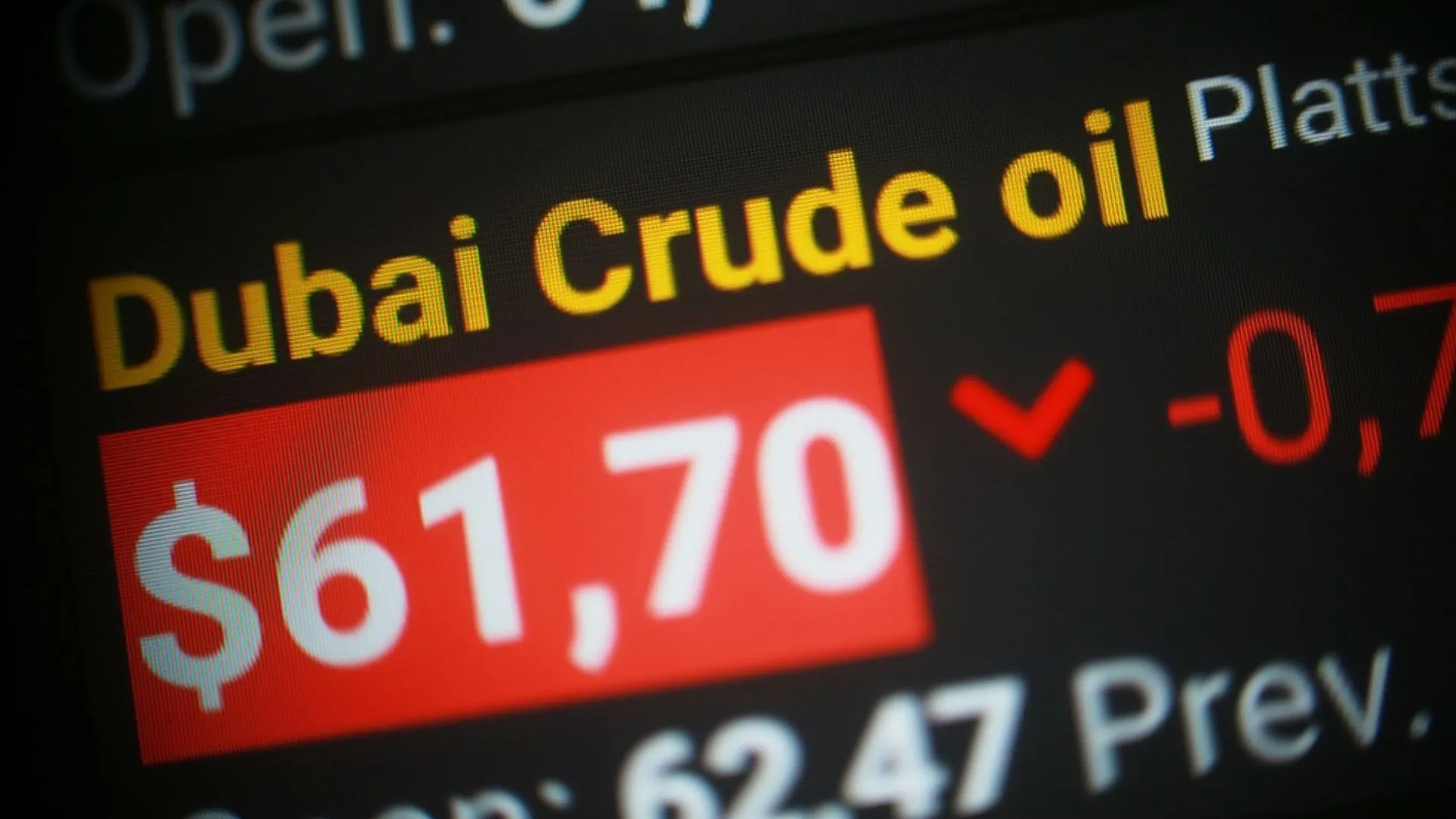
The Gulf markets traded with a positive tone on the back of firmer oil and an earnings season that continues to support several major companies. Brent then advanced slightly and was close to 67.46 dollars per barrel in the middle of the day, a level that usually has a direct influence on risk appetite in the region’s markets.
Oil prices support Gulf stock exchanges
At the same time, investors kept their attention on the geopolitical front due to reports of incidents on energy routes, a factor that can amplify volatility in energy and transportation-related assets.
On the one hand, the Abu Dhabi index gained traction and reached a more than three-year high, supported by a broad-based advance in its components. In particular, ADNOC Gas rose and Abu Dhabi Islamic Bank (ADIB) led the financial segment’s gains.
In addition, NMDC Energy strengthened after reporting double-digit growth in annual net income and a similar increase in cash dividends, a message that the market often reads as a sign of continued cash generation.
On the other hand, Dubai extended its momentum for the third consecutive day and set a record high since 2006. In particular, Emirates NBD advanced strongly and added points to the index, reflecting active demand for big names in the banking sector.
Likewise, Tecom Group stood out after reporting a sharp increase in its annual earnings, reinforcing the idea that several non-oil businesses continue to capture growth in the emirate.
At the same time, a survey showed that the UAE’s non-oil private sector accelerated new business growth in January, supported by a pickup in orders. Against this backdrop, the macro reading accompanies the corporate earnings story, because it suggests a more stable demand base outside crude oil.
Meanwhile, the Saudi market moved with a moderate advance driven by materials, utilities and financials. In that line, Ma’aden rose and ACWA Power advanced after communicating a relevant agreement associated with energy conversion and water purchase for around US$4.1 billion.
For its part, Al Majed for Oud recorded a jump after posting a solid increase in its annual net profits, a sign that consumer and local brands can also attract flow on favorable tone days.
However, the Qatari index retreated in the session, pressured by declines in industrial names. In particular, Industries Qatar fell and Gulf International Services recorded a deeper correction after reporting a decline in its annual net profit.
Outside the Gulf, Egypt’s main index advanced with sector-wide performance. In addition, recent data pointed to a third consecutive expansion in non-oil private activity in January, a sign that can help equity sentiment when integrated with stable corporate news flow.
Source: Reuters
Photo: Shutterstock