
Table of Contents
- A regulatory environment driving change
- Modernizing terminals for a new energy matrix
- Emerging fuels and infrastructure challenges
- Emissions: the critical variable in modern operations
- Technologies to reduce emissions and improve integrity
- The role of analytics and artificial intelligence
- Operational strategies for more sustainable terminals
- Toward zero-emission terminals
- Conclusion
Storage terminals are experiencing one of the most profound transformations in their history. Regulatory pressure, from agencies such as the EPA and TCEQ, along with corporate decarbonization commitments, is redefining how fuels and liquid products are stored, monitored, and distributed.
Today, sustainability is more than an environmental goal: it has become a new standard of efficiency, reliability, and operational responsibility.
A regulatory environment driving change
Over the past decade, environmental regulation has taken on a decisive role in the storage sector. Standards such as EPA 40 CFR Part 60 Subpart Kb and TCEQ Chapter 115 require stricter control of VOC emissions, more frequent inspections, and increased traceability.
This regulatory framework not only shapes the design of floating roofs, seals, and VRU/VCU systems, but also drives investment in digital monitoring, advanced materials, and more efficient operational strategies.
In this context, the International Liquid Terminals Association (ILTA) plays a pivotal role. As the leading industry organization, ILTA acts as a technical and regulatory bridge, participating in working groups with the EPA, PHMSA, and other agencies to balance safety, sustainability, and operational feasibility. Its work provides clarity for operators who must anticipate regulatory changes and implement consistent standards across the logistical chain.
Modernizing terminals for a new energy matrix
Terminals are no longer static infrastructures, they are becoming dynamic platforms within the energy transition.
In North America, many facilities now incorporate:
- Biofuels and advanced blends
- Synthetic products
- Hydrogen and derivatives
Each product requires different considerations in corrosion, volatility, material compatibility, and monitoring. This forces a redesign of integrity practices and real-time measurement systems.
The adoption of digital twins, IIoT sensors, and predictive models enables operators to anticipate degradation, adjust ventilation, control emissions, and optimize operational cycles with a level of accuracy that was impossible a decade ago.
In this process, the National Institute for Storage Tank Management (NISTM) has become an essential meeting point for operators, engineers, and regulators. Through its conferences and training programs, NISTM promotes technical modernization, experience sharing, and the adoption of cleaner practices in fuel terminals.
Emerging fuels and infrastructure challenges
Adapting conventional tanks to products such as ethanol, biodiesel, synthetic fuels, or hydrogen brings significant operational challenges:
- Increased moisture and microbial risk
- Changes in vapor pressure
- Accelerated seal degradation
- Unpredictable corrosion behavior
However, these challenges have driven advances in material selection, coatings, digital monitoring, and predictive maintenance, all framed within a sustainability strategy that reduces unplanned failures and extends asset life cycles.
Emissions: the critical variable in modern operations
Aboveground storage tanks generate emissions through three primary mechanisms:
- Working losses (filling/emptying)
- Breathing losses (thermal changes)
- Standing losses (deteriorated seals, corrosion, micro-leaks)
The most common sources include floating roofs, corroded plates, vents, and worn seals.
With increasingly strict regulations, the early identification of these emissions becomes key to meeting standards and maintaining system reliability.
Technologies to reduce emissions and improve integrity
Innovation is transforming how terminals manage emissions:
Structural systems and advanced seals
- Aluminum geodesic domes
- Floating roofs with double-barrier seals
- High-durability anticorrosive coatings
Control and recovery systems
- Next-generation VRU/VCU units
- IIoT sensor networks for pressure, temperature, and gas concentration
- Predictive alarms powered by data analytics
A notable example is the HES Hartel Tank Terminal in Rotterdam, where the installation of floating roofs, domes, and advanced sealing systems significantly reduced fugitive emissions originating from the tank structure itself.
Digital monitoring: From reactive to predictive
Digital twins and IIoT technologies allow terminals to replicate tank behavior in real time, anticipate failures, and optimize processes.
Key advantages:
- Continuous visualization of operational status
- Emission prediction before exceeding regulatory limits
- Integration with RBI models to correlate risk and emissions
- Improved planning of preventive maintenance
- Reduced uncertainty in environmental management
A documented case in Gulf of Mexico terminals showed how a predictive IIoT system detected an unusual vapor trend in a floating-roof tank, allowing operators to repair a seal before a significant leak occurred.
The role of analytics and artificial intelligence
AI processes millions of sensor data points to identify patterns that indicate:
- Incipient leaks
- Overpressure conditions
- Seal failures
- Thermal trends associated with emissions
These platforms turn data into actionable decisions, supporting operational efficiency and environmental compliance.
Operational strategies for more sustainable terminals
Predictive maintenance and protective coatings
Epoxy, polyurethane, and ceramic coating systems reduce corrosion and extend the service life of roofs, tank bottoms, and pipelines.
When combined with continuous monitoring of cathodic protection, they significantly decrease the risk of leaks or vapor releases.
Environmental culture and training
Sustainability also depends on people.
Training focused on environmental awareness and proactive response turns operators into key players in emission control.
Toward zero-emission terminals
The future points toward more automated facilities featuring:
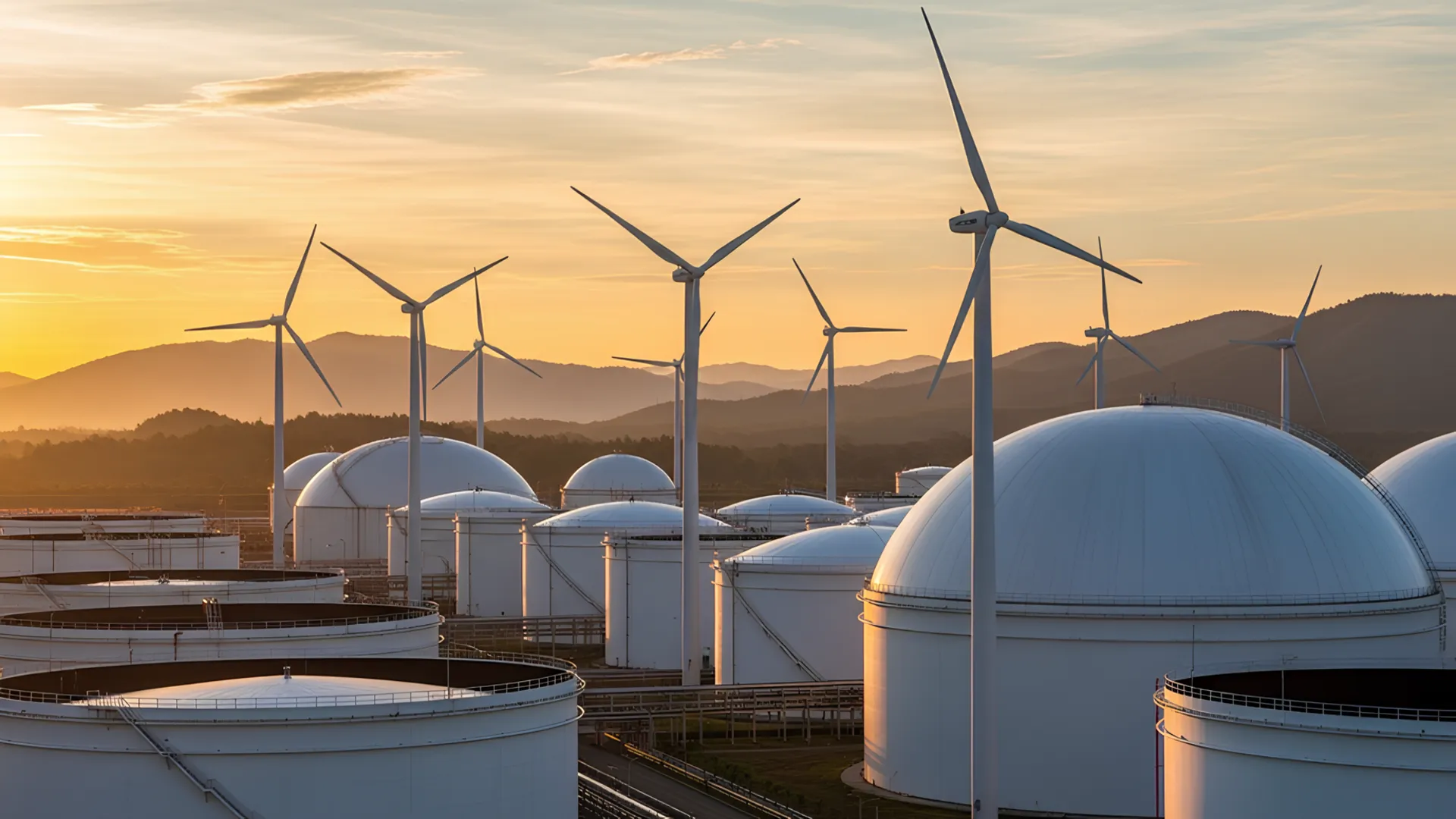
- Integrated renewable energy
- AI-optimized ventilation
- Vapor recovery and reuse
- Circular energy models
- Cloud-based 24/7 monitoring
Organizations such as NISTM and ILTA will continue driving this technical and regulatory evolution, promoting standards that facilitate the transition toward cleaner, safer, and more resilient terminals.
Conclusion
Sustainability in fuel terminals is no longer optional, it is an essential component of efficiency, reliability, and sector competitiveness. The combination of technology, regulation, and organizational culture is shaping the path toward safer, cleaner, and smarter operations.
Operators that adopt advanced monitoring, predictive maintenance, and robust emission- control strategies will be better positioned to meet the challenges of an industry rapidly evolving toward stricter environmental standards.
This article was developed by specialist Antonio Zavarce and published as part of the seventh edition of Inspenet Brief February 2026, dedicated to technical content in the energy and industrial sector.