
Africa to dominate high-impact wells
Africa is set to be the main driver of global exploration in 2026, accounting for around 40% of planned high-impact exploration wells globally. This leadership is supported by the undeveloped geological potential of the African Atlantic margin, where operators are seeking large-scale discoveries in frontier basins.
The most active areas will be in the Orange Basin in Southern Africa and the Gulf of Guinea in West Africa, areas that combine promising petroleum systems with as-yet undrilled structures. This cements the continent as the epicenter of higher-risk, but also higher-reward drilling.
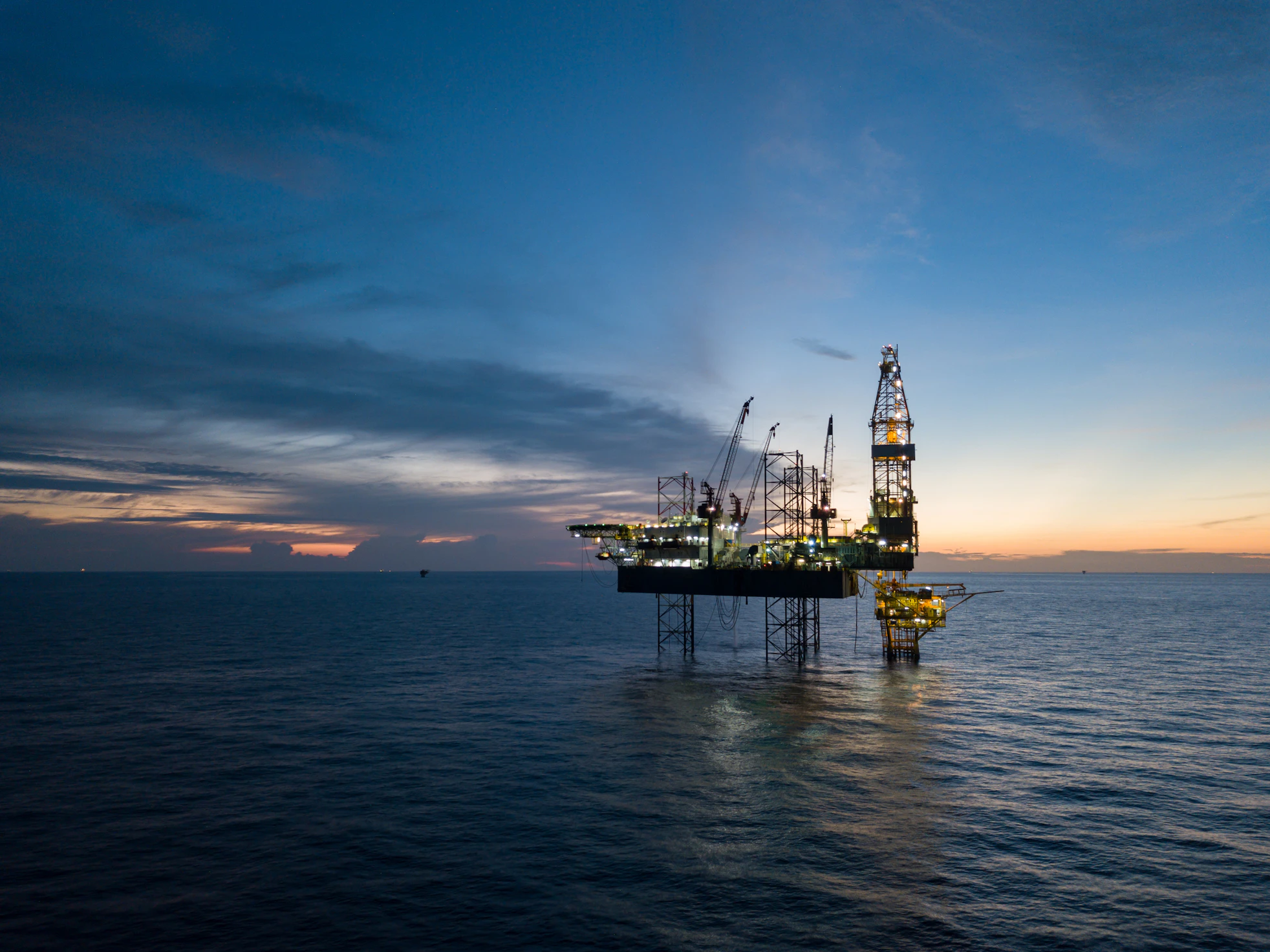
Ultra-deep waters mark the 2026 strategy
Rystad Energy ‘s projections indicate that about 60% of the high-impact wells slated for 2026 will be located in ultra-deepwater, reflecting a clear shift toward technically complex but materially scaled resource potential environments.
Oil majors lead the way, followed by national oil companies (NOCs) and independent international oil companies (INOCs), which together account for about 26% of the activity. This combination shows that both majors and state actors are willing to assume greater exploratory risks.
In addition, most of these wells will target frontier regions, while a smaller fraction will focus on previously discovered basins or entirely new areas. Onshore, virtually all high-impact drilling will be concentrated in Africa, with the exception of one well in Greenland.
Exploratory success and pressure for new resources
The push toward high-impact wells is supported by better recent results. In 2025, the success rate of these wells rose from 23% to 38%, while discovered volumes grew 53% year-on-year, reaching about 2.3 billion barrels of oil equivalent (boe).
This performance has reinforced operators’ confidence in committing capital to intensive projects, especially in a context where accessible conventional opportunities are shrinking. Ultra-deep and frontier environments, while expensive, offer the attraction of discoveries capable of sustaining production over the long term.
Africa stands out because it still combines significant geological potential with the possibility of commercially transforming discoveries, which is becoming increasingly scarce in mature provinces.
Asia grows, North America slows down
Outside Africa, Asia has eight high-impact wells planned, led by Indonesia, India and Malaysia. However, the region shows a fragmented picture, with both offshore and onshore awards and discoveries concentrated in a few countries.
Over the last decade, Asia recorded nearly 18 billion barrels equivalent in conventional discoveries, dominated by gas. Still, future high-impact growth will depend on unlocking less mature or technically more complex basins.
In contrast, North America faces a weakening of exploration. Discoveries have fallen below the lows of the previous decade, with recent volumes concentrated in the US Gulf of America and in mature basins. The region appears headed for incremental additions, far from the large finds now being sought by operators in Africa and other frontier areas.
Source and photo: https://www.rystadenergy.com/