
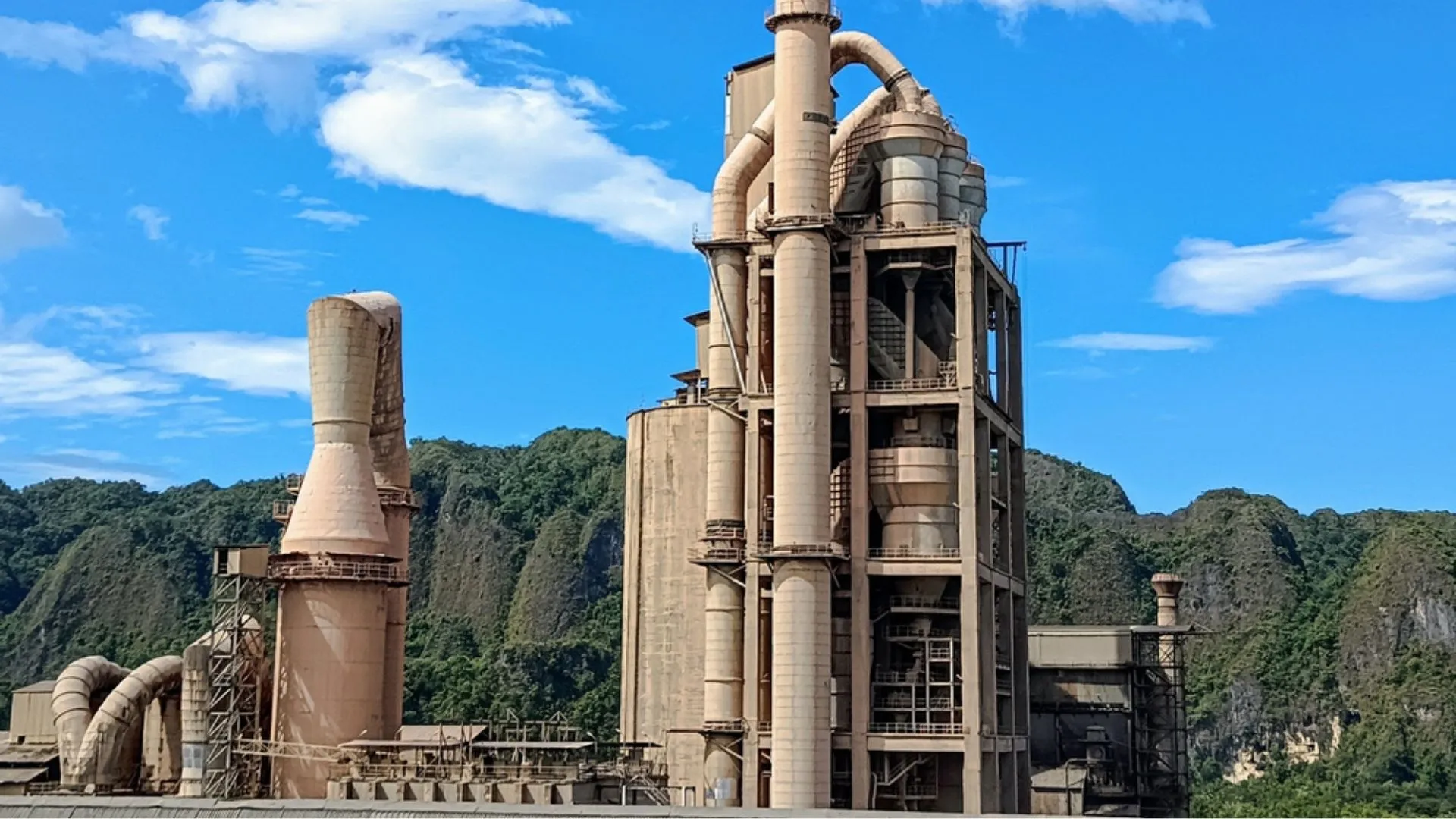
The Philippine cement sector is aligning itself with global climate commitments by progressively increasing the use of alternative fuels. alternative fuels. This strategy is part of a national plan that will be presented to ASEAN members in March this year.
According to John Reinier Dizon, president of the Cement Manufacturers Association of the Philippines (CeMAP), the initiative responds to the urgency of reducing dependence on coal, a highly polluting fossil fuel, which still represents a key source of energy for cement production. cement production.
A structural shift to cleaner energy sources
With the support of UNIDO and funding from the Government of Canada, the Philippines is developing its roadmap for the decarbonization of cement. decarbonization of cement and and concrete. This strategy focuses on five-year milestones to 2050 and aims to provide voluntary technical guidance to companies in the sector.
The plan makes the country the second in the region, after Thailand, to implement an energy transition framework specific to the cement industry. cement industry. The long-term goal is to achieve zero net emissions, although CeMAP recognizes the technical challenges involved.
Cement in the Philippines and climate challenge
In parallel with the growth in production, which exceeded 27 million tons in 2024, Philippine companies are seeking to reconcile expansion with sustainability. The roadmap proposes the integration of greener practices in waste management and the gradual replacement of coal with industrial waste and biomass as energy sources. biomass as energy sources.
The regional climate scenario adds pressure: Asia is warming at twice the global rate, with extreme weather events already affecting the archipelago. In this context, the Philippine cement sector is trying to position itself as an active player in the climate solution.
Voluntary commitments and national policy
Although CeMAP’s proposed framework is not legally binding, it is aligned with national regulations such as the Tatak Pinoy Act and public procurement reforms, which promote sustainability as an eligibility criterion. Member companies, including Holcim Philippines, Republic Cement and Taiheiyo Cement Philippines, have shown willingness to adopt these goals in their operations.
Dizon stresses that the key will be technical and financial cooperation to turn the roadmap into tangible transformation. He also warns that the results will depend on the pace at which clean technologies are clean technologies technologies become accessible and scalable within the country.
Source: CeMAP
Photo: Shutterstock