
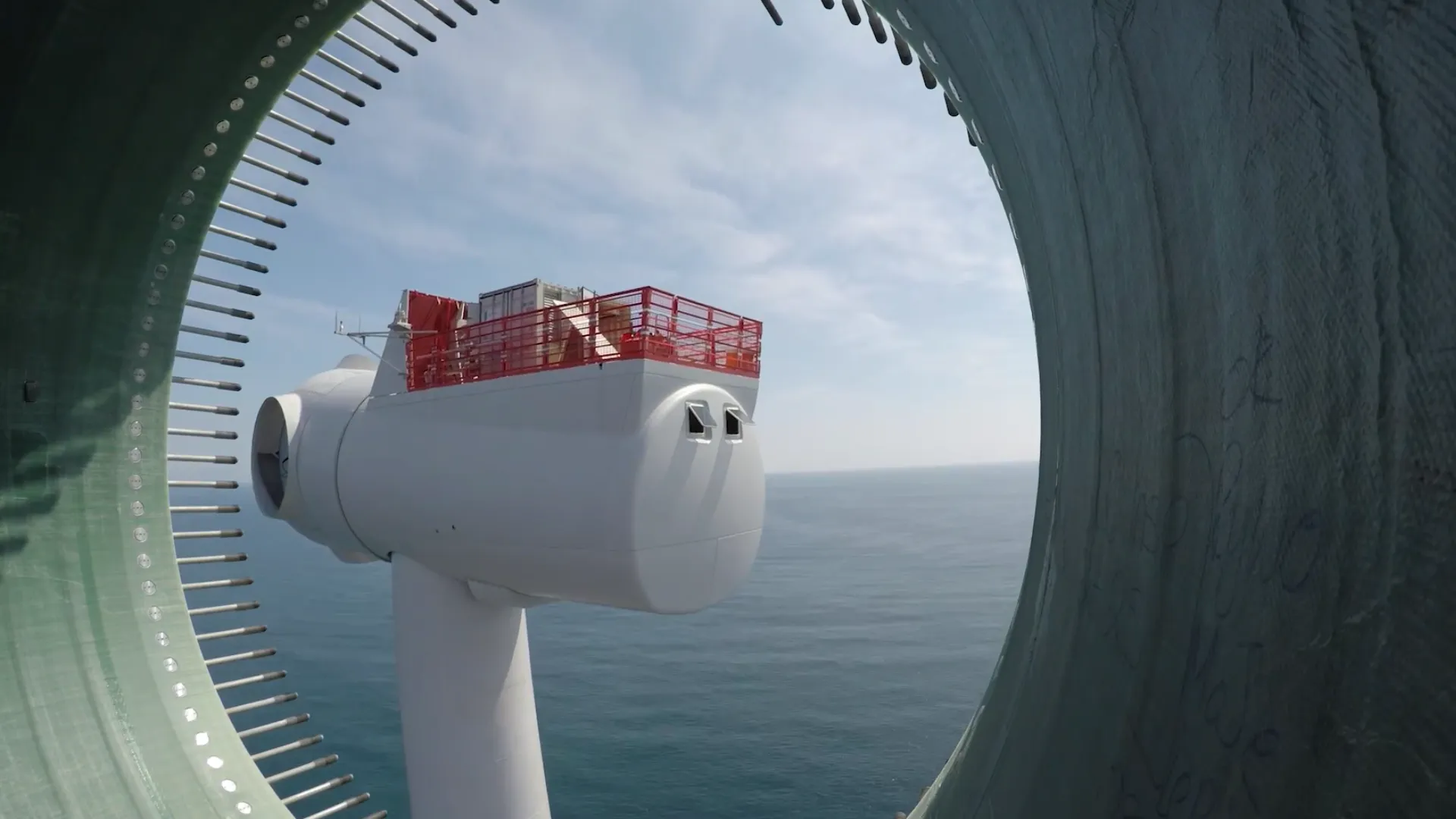
In the framework of the North Sea Summit 2026 held in Hamburg, nine European countries together with the offshore wind industry and transmission system operators(TSOs) signed the Joint Offshore Wind Energy Investment Pact. This agreement aims to turn the North Sea into the continent’s main generator of renewable electricity.
The pact for leadership and promotion of offshore wind energy
The common objective is to install up to 15 GW of wind power capacity each year between 2031 and 2040, with a final target of 300 GW by mid-century. This figure represents a structural transformation in the European energy matrix, aimed at reducing dependence on imports of polluting fuels.
The pact provides for the implementation of mechanisms such as contracts for difference(CfD) and power purchase agreements(PPA), both domestically and across borders, to promote financial certainty in the sector. These instruments will mitigate risks for investors and facilitate the mobilization of capital for new projects.
Rasmus Errboe, president and CEO of Ørsted, stressed that the company is poised to continue leading the development of offshore wind farms. With 35 years of experience in the sector and almost 90% of its installed capacity located in Europe, Ørsted says its assets already supply 22 million people on the continent.
Currently, 58 % of the energy consumed by the European Union is imported. With full implementation of the pact, Europe is expected to reduce this dependence, save nearly 70 billion euros in fossil fuel imports and cut its carbon emissions by 15 %.
In turn, the offshore wind offshore wind industry to continue to expand its 100,000-strong workforce by leveraging regional supply chains and local technologies.
The agreement responds to previous industry proposals, such as Ørsted’s “Offshore Wind at a Crossroads” report, and seeks to establish a coordinated approach to infrastructure deployment, with equitable distribution between countries and aligned regulatory frameworks.
Source and photo: Orsted