
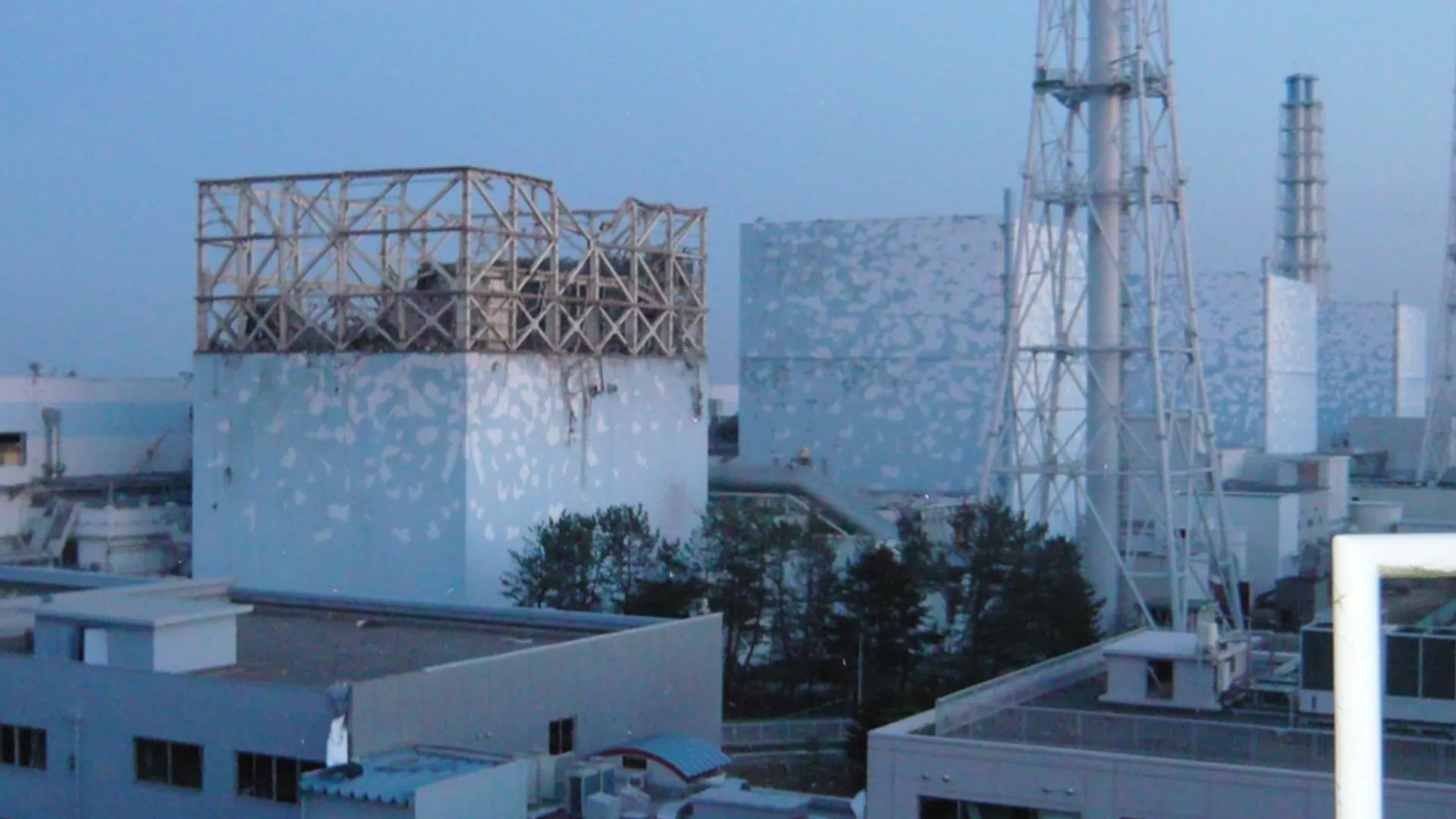
One day after restarting reactor number 6 at the Kashiwazaki-Kariwa nuclear power plant Kashiwazaki-Kariwa nuclear power plant, Tokyo Electric Power Company (TEPCO) ordered its shutdown after a fault was detected in the control rod system.Tokyo Electric Power Company(TEPCO) ordered its shutdown after a fault was detected in the control rod system. The incident marks a new setback in Japan’s effort to restart its nuclear program after the Fukushima disaster in 2011.
Alarm activation after nuclear power plant failure
Early Thursday morning, an alarm went off while personnel were working to remove the reactor’s control rods. Although electrical components were replaced and the monitoring panel was checked, the problem persisted, Takeyuki Inagaki, plant superintendent, confirmed.
“We determined that it is imperative to temporarily suspend operations and move forward with a thorough technical investigation,” Inagaki told a press conference.
Reactivation of the reactor had already been delayed earlier in the week due to a separate alarm. Although TEPCO had assured that the system was working normally, the new incident forced to stop the operation again. No timetable has yet been defined for resuming activities at the unit.
This reactor is the first that the company has attempted to start up since the general shutdown of the Japanese nuclear fleet following the Fukushima accident. Its reactivation represented an important step in the country’s energy security strategy, especially in view of the rising cost of imported energy.
TEPCO shares fell 3.5% following the announcement, in contrast to the overall rise in the Nikkei index. This drop reflects lingering market doubts about the company’s operational capacity and the viability of a return to nuclear power in the country.
Experts point out that such incidents fuel public skepticism about the safety of nuclear facilities, which could further prolong the national reactivation process.
Source and photo: TEPCO