
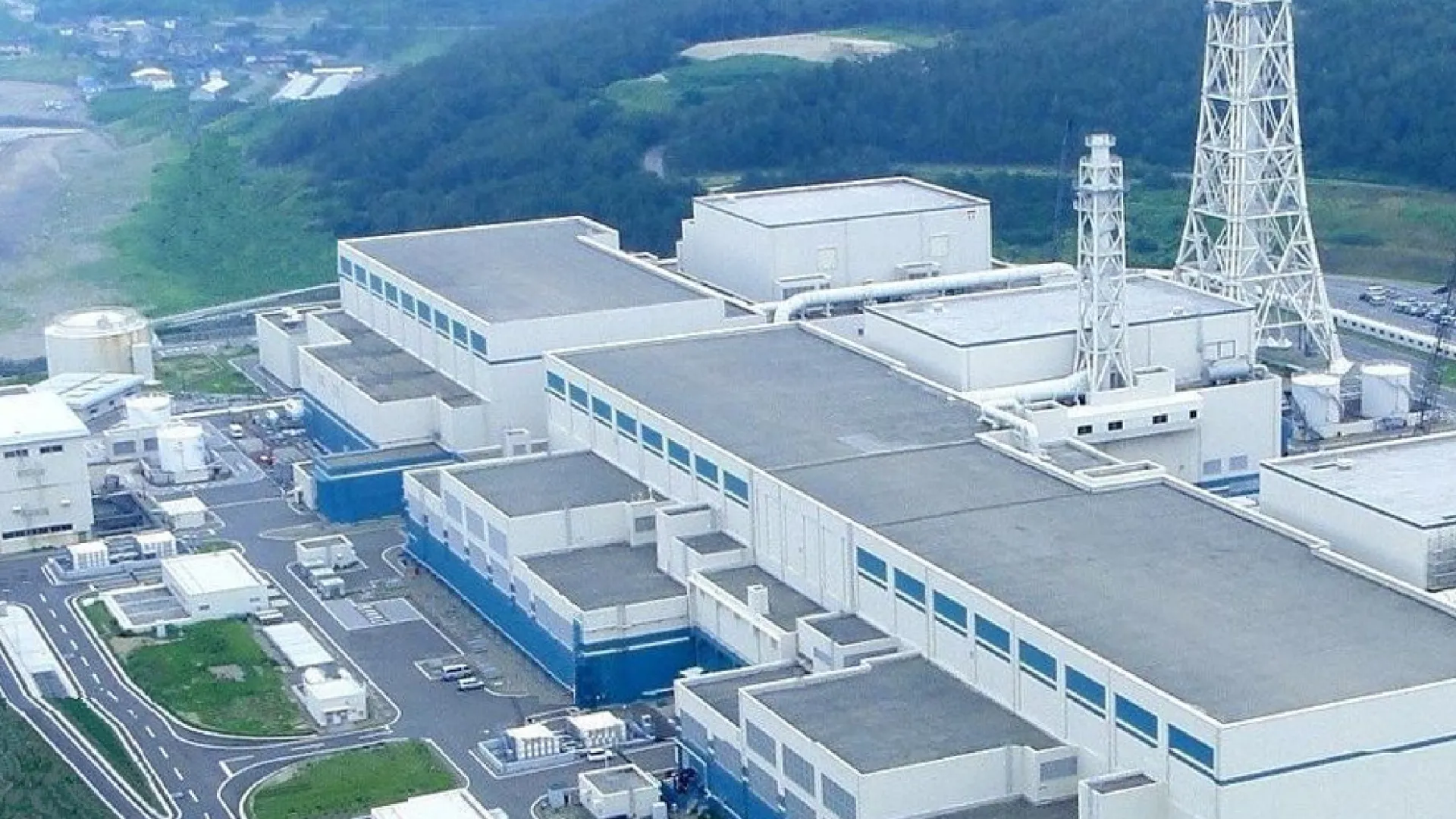
At 7:02 p.m. on January 21, Tokyo Electric Power Company Holdings(TEPCO) began startup of the Kashiwazaki-Kariwa nuclear power plant’s Unit 6 reactor after receiving approval from the Nuclear Regulation Authority(NRA) for its test use. This action marks the partial return to operation of a key facility for Japan’s electricity system, deactivated since the Fukushima disaster in 2011.
Supervised and staggered start-up of Kashiwazaki-Kariwa nuclear power plant
Reactivation does not imply an immediate return to commercial power generation. It is a test phase intended to verify the integrity of the systems with actual steam, as a step prior to the formal pre-operational inspection. The operator has announced that it will work closely with NRA inspectors during all stages.
The Kashiwazaki-Kariwa plant, located in Niigata Prefecture, has seven reactors. Unit 6 is the first to restart since they were all shut down in the wake of the earthquake and tsunami that hit the region nearly three decades ago. TEPCO has said it will rigorously review the condition of each component after such a long period of downtime.
The partial reactivation of Kashiwazaki-Kariwa represents a step forward in the national strategy to reduce dependence on imported fuels, in a context of volatile prices and environmental pressure.
TEPCO’s reputation remains a sensitive issue. The company has promised constant communication and transparency measures to demonstrate that it prioritizes safety over productivity.
The next step will be the operator’s pre-operational inspection, which will validate whether the nuclear plant plant is ready to move toward sustained production. The schedule will depend on the results obtained during the current tests and strict compliance with regulatory standards.
Source and photo: TEPCO