
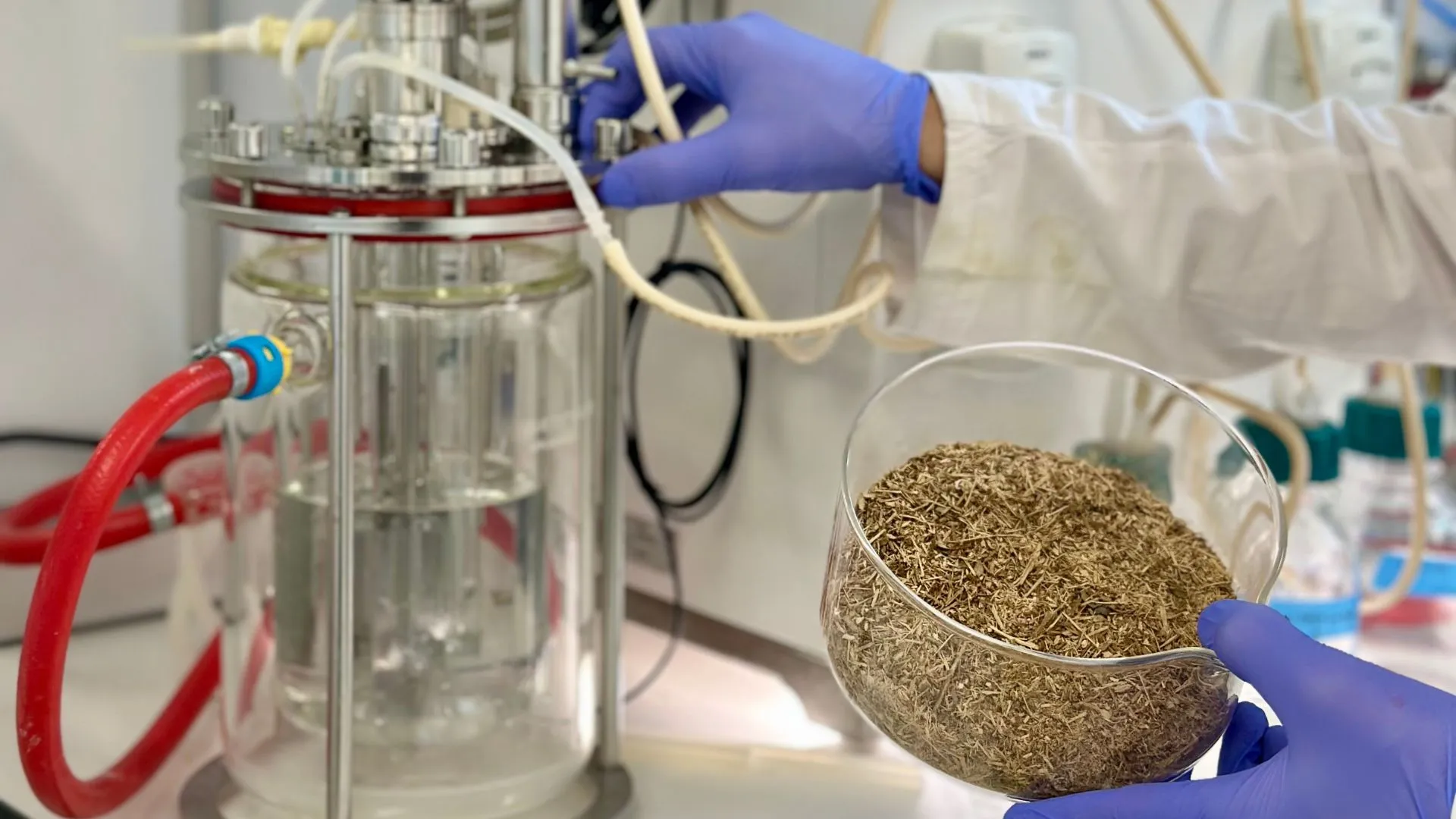
The AIMPLAS organization is leading the BIOVALSA project, which again proposes innovative processing, seeking to manufacture biodegradable plastics using waste from the countryside. The raw material source comes from Valencian agriculture, which generates hundreds of thousands of tons of rice straw and pruning residues from citrus crops.
The BIOVALSA project and its biotechnological alternatives
The initiative was financed by IVACE+i and FEDER funds from the Valencian Community and focuses on reducing the use of chemical compounds and making the most of the components of lignocellulosic biomass: cellulose, hemicellulose and lignin. These fractions are being separated by treatments using selected bacterial strains, without resorting to toxic substances.
The cellulose obtained is transformed into lactic acid, which is essential to produce PLAone of the most common bioplastics. Hemicellulose is used to generate succinic acid, the basis for making PBS, a biodegradable polymer. biodegradable polymer known for its thermal resistance and flexibility. Finally, lignin, with antimicrobial properties, is projected as a valuable additive in applications where microbiological inhibition is required.
The BIOVALSA initiative is coordinated by AIMPLAS, a benchmark in waste recovery and biopolymers manufacturing, and has the participation of the University Institute of Food Engineering(FoodUPV), as well as the companies Bioban, Viromii and Prime Biopolymers. Each entity contributes strategic knowledge: from genomic analysis of bacteria to economic feasibility studies and industrial validation of new materials.
This development is aligned with the priorities of the smart specialization strategy of the Valencian Community(S3) and with the recommendations of the Innovation Committees on Circular Economy and Enabling Technologies.
The project is in its first year of implementation and has made progress in the decomposition and use of rice straw. Tests with microorganisms to generate acids are still underway, with expectations of consolidating a regional value chain based on plant-based compostable plastics.
Source and photo: AIMPLAS