
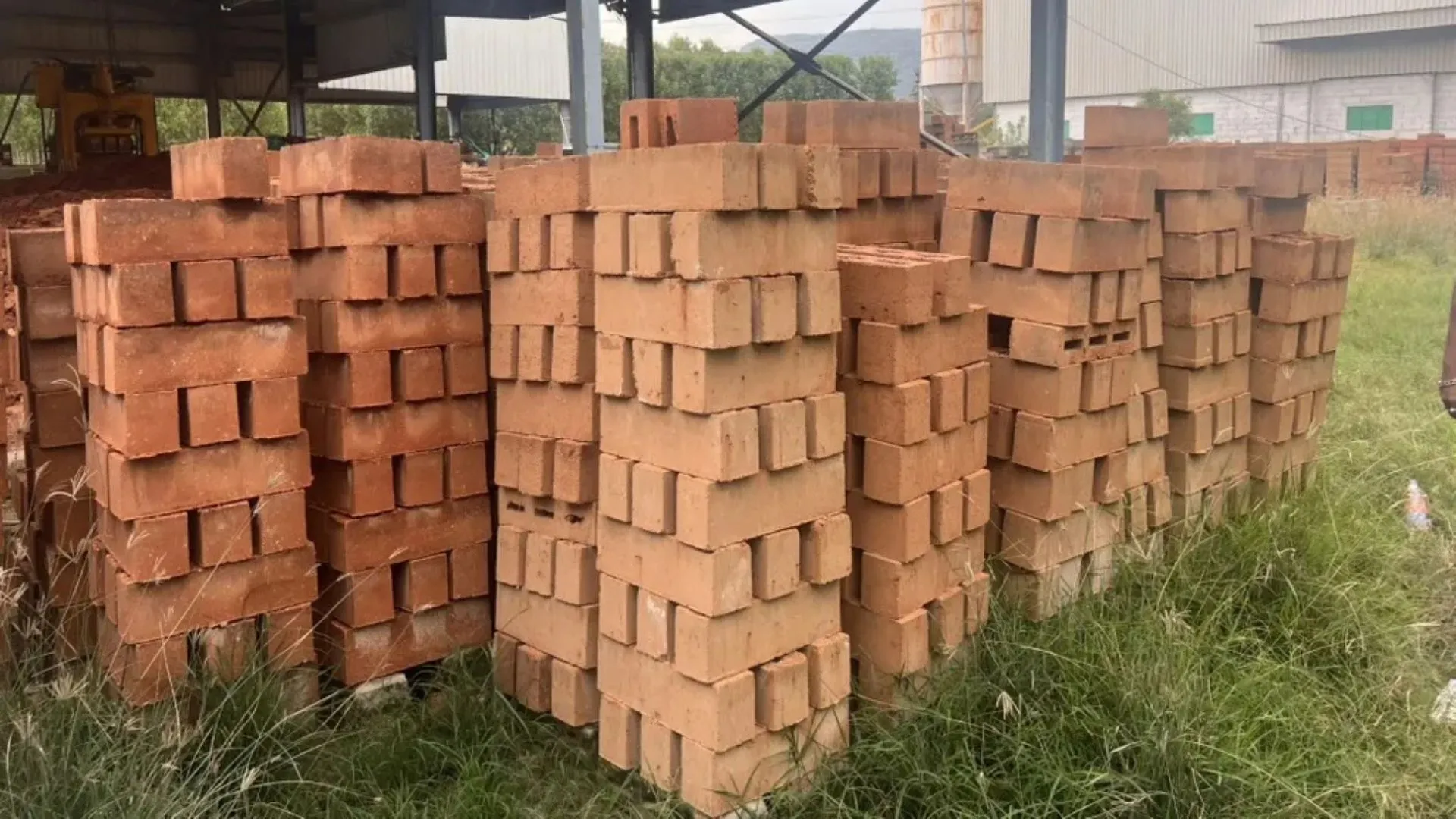
Agrocrete®, a development of the Indian company GreenJams, proposes a different solution to traditional blocks: turning agricultural and industrial wastes into into carbon-negative building blocks. into carbon-negative building blocks. An innovation that addresses the environmental crisis, reduces costs and speeds up construction times.
Agrocrete® blocks insulate up to 3.5 times better than conventional concrete. This thermal capacity reduces the use of artificial air conditioning, which generates continuous savings in energy consumption.
In addition, each square meter built with Agrocrete® captures 15 kg of CO₂ and avoids the emission of another 40 kg.
Environmental impact of Agrocrete® blocks
The manufacturing process dispenses with water curing and avoids ovens, which reduces the use of fossil fuels. fossil fuels. Crop residue fibers and industrial ashes are used to form an alkali-activated mixture with BINDR, a proprietary binder that replaces Portland cement. This results in a strong, durable bio-concrete with a negative carbon footprint.
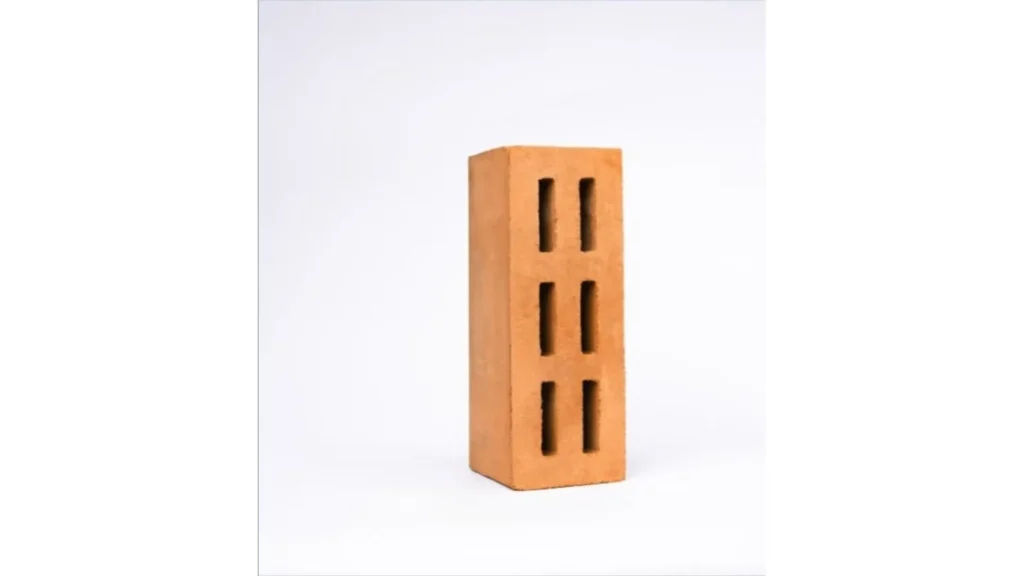
This model benefits rural communities by providing an income from the sale of previously discarded or burned waste. In this way, Agrocrete® encourages a construction system that reduces pollution, promotes sustainability and generates value in agricultural areas.
High efficiency and certified blocks
Agrocrete® complies with IS standards and certifications such as EPD, IGBC and LEED. It adapts to load-bearing structures thanks to its compressive strength (greater than 10 MPa) and low moisture absorption. It is also fire and termite resistant, making it ideal for extreme climates.
The dimensional accuracy and light weight of the blocks allow for up to 100% faster installation, with a 60% reduction in the use of mortar. These characteristics facilitate more efficient and economical construction, especially in areas with a shortage of skilled labor.
GreenJams has implemented Agrocrete® in housing, industrial facilities and community projects in India. The material can be manufactured on-site, allowing it to be scaled up without the need for complex infrastructure. This makes it a viable option for large urban and rural developments seeking energy efficiency and reduced climate impact.
Source and photos: GreenJams