
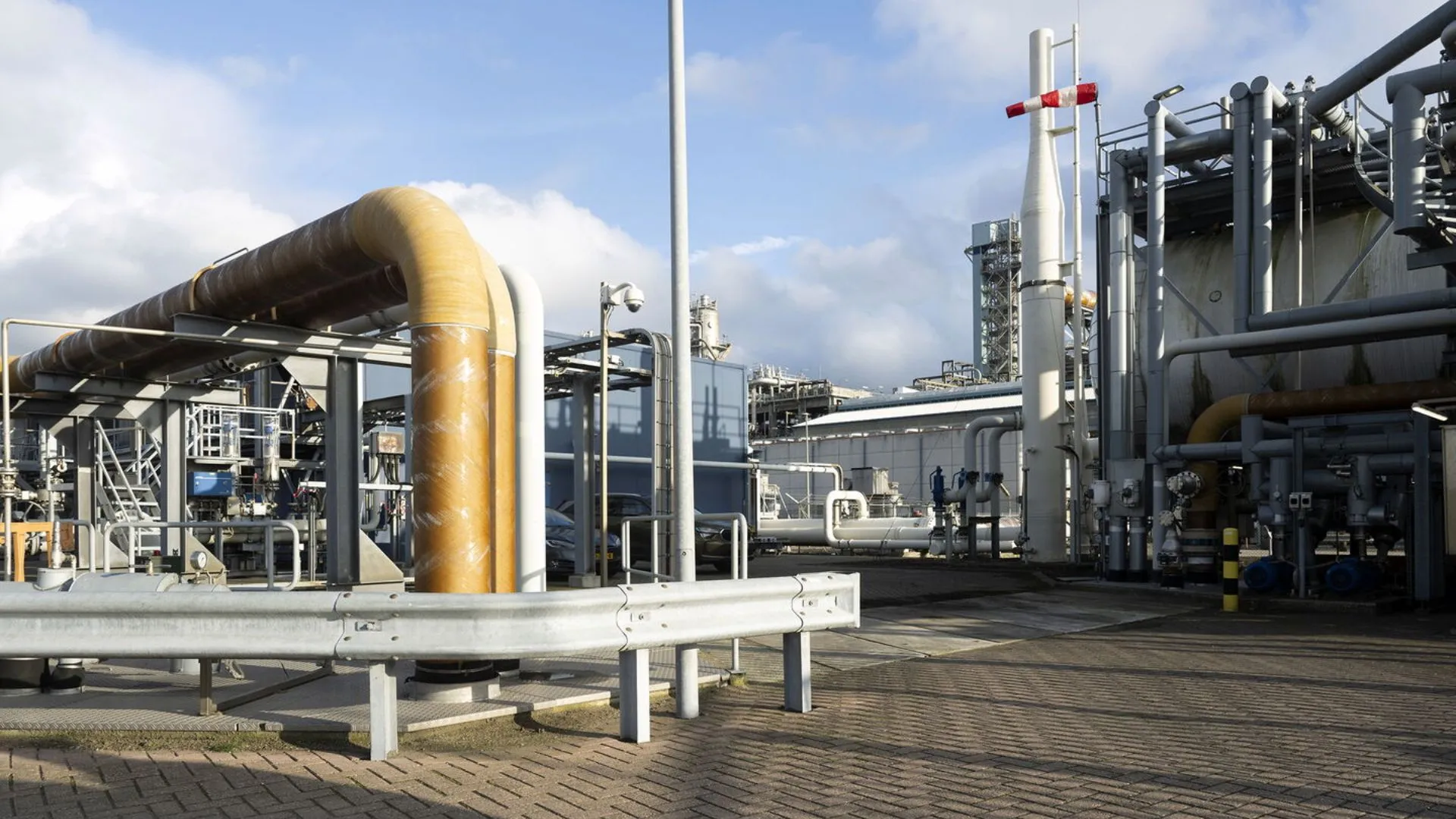
In the heart of the port of RotterdamShell and Linde have launched a collaborative energy system that promises to relieve pressure on an electricity grid that has been saturated since 2022. Through an e-hub, the two companies share electrical capacity to optimize operations and reduce demand at critical times.
Local power exchange between Shell and Linde
Shell has surplus energy at its Pernis refinery, which can now be used by Linde to power its compressors. This strategy not only improves operational performance, but also makes it possible to keep the process of compressing the captured CO₂ active, which goes into the transport system and carbon storage and transport system storage system of the Porthos Porthos.
Network operator Stedin has been instrumental in enabling this shared solution, while TenneT, responsible for the high-voltage network, is working in parallel to expand the port infrastructure. Both entities also collaborate with the Port of Rotterdam Authority and Deltalinqs, creating a network of support between industry and operators.
Industrial electrification with shared capacity
Grid saturation in industrial areas makes it necessary to rethink the use of available energy. Initiatives such as the Shell and Linde e-hub are concrete examples of industrial flexibility. This ranges from reducing consumption at peak times to redistributing capacity among local players. This type of solution creates space for new users and improves system stability.
The shared objective is clear: to avoid overloads and outages while making room for new projects. That is why the joint work between companies and operators is focused on concrete measures, without waiting for the infrastructure to be fully expanded. The cross-industry energy exchange marks a new stage in the Port of Rotterdam’s energy transition.
Source and photo: Port of Rotterdam