
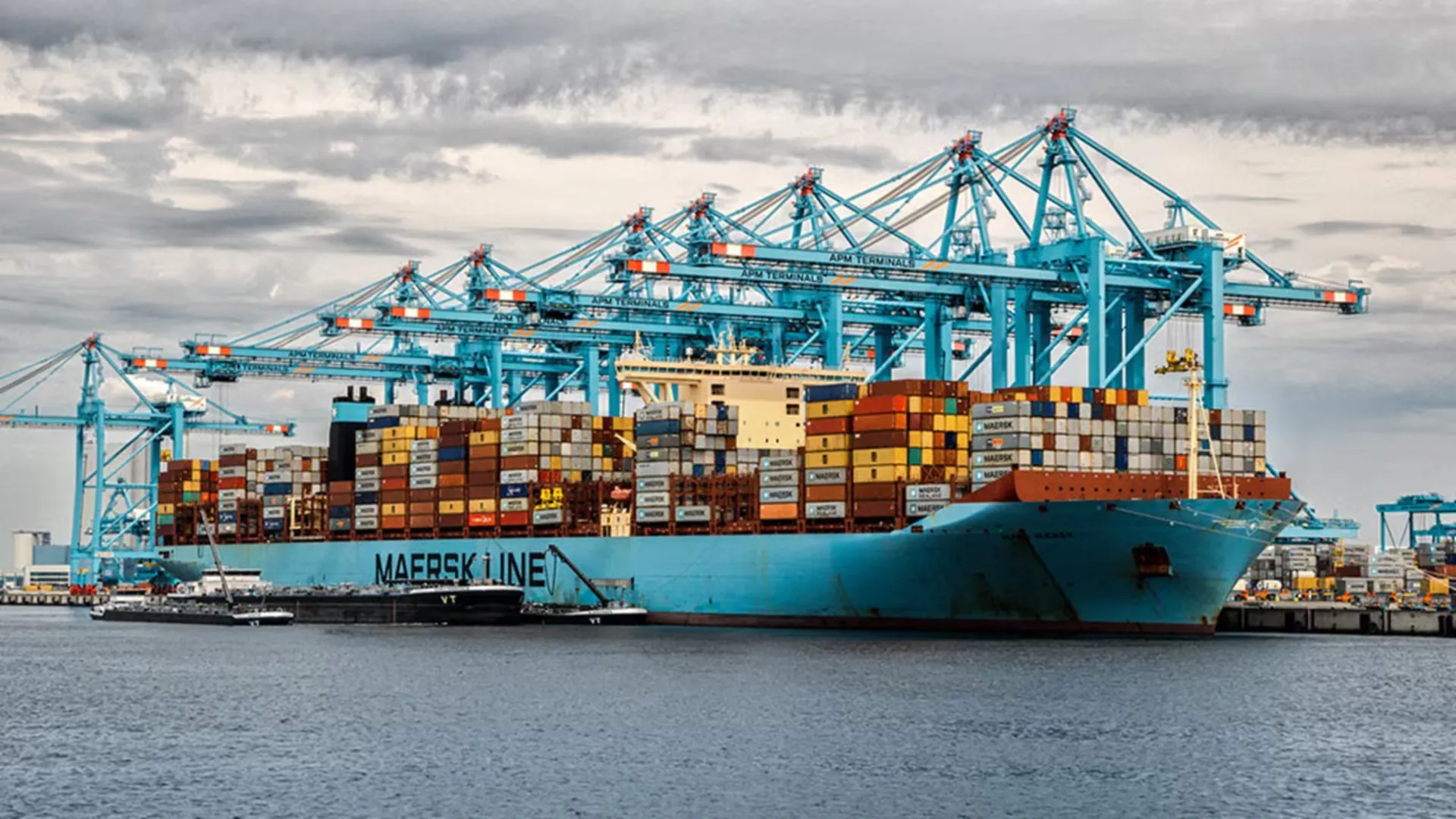
Recently, Maersk presented a balance of logistics in Latin America during the year 2025, which highlights how companies managed to adapt to a complex environment thanks to resilience, technology, innovation and strategic relationships. Technologies such as artificial intelligence, predictive analytics, and real-time visibility systems helped their customers anticipate challenges, optimize operations, and strengthen their supply chains.
Monthly key logistics developments
From January through November, Maersk disseminated monthly content that addressed the year’s key logistics challenges. Each reflected practical strategies and lessons applicable throughout the region:
- Beginning of the year: Objectives such as the digitalization of processes, the strengthening of ties with suppliers and the improvement of inventory management were promoted.
- Logistics Spring: In April, the focus was on cocoa and chocolate logistics for Easter, highlighting the importance of demand forecasting through AI. In May, the focus was on fresh produce exports, with emphasis on cold chain coordination and real-time temperature monitoring.
- Mid-year: In June and July, Maersk urged planning ahead for year-end peaks, implementing multimodal solutions, labor forecasting and risk mapping.
- Last months: During August and September, the company redefined logistics visibility as real-time responsiveness, and reinforced concepts such as decentralized warehousing and dynamic routing in the face of uncertain scenarios.
Each of these contents became a tool for companies to adjust their operations and prepare in advance.
Changes in Latin American routes and ports
At year-end, Maersk also shared operational updates on its routes and ports in the region:
- Weekly stopovers in Rio de Janeiro from North America resumed, and the TANGO service maintained high reliability in the Gulf of Mexico.
- The ECSA Shuttle began biweekly operations with a new rotation connecting Paranaguá, Santos and Manzanillo, improving intercontinental connectivity.
- In South America’s East Coast ports, Santos showed an operational recovery, while Paranaguá, Itapoá and Montevideo remained under pressure due to weather conditions. Callao and Guayaquil were closely monitored for congestion.
These measures were intended to ensure the continuity of logistic flow in critical areas, guaranteeing alternatives for regional and international cargo.
Land transportation and regional operations
On the land side, Maersk reported significant operational adjustments in Central America, including updates on standard weights for land transportation in countries such as Guatemala, Honduras, El Salvador and Nicaragua. This information allows customers to plan their shipments within allowable limits and reduce lead times.
In Honduras, increased vehicle imports required greater coordination to avoid bottlenecks. Meanwhile, in Panama, multimodal solutions were implemented to counter seasonal congestion at transshipment terminals, facilitating efficient transport to the rest of Central America.
Logistics outlook to 2026
With the experience gained during 2025, Maersk projects that regional logistics will continue to evolve toward greater efficiency and resilience in 2026. The strategies adopted this year, such as digital integration, predictive planning, and strategic alliances, will be essential for addressing new operational, regulatory, and environmental challenges.
The company remains committed to accompanying its customers in adapting to a dynamic market, promoting logistics that are more connected, intelligent and prepared for the unexpected.
Source and photo: Maersk