
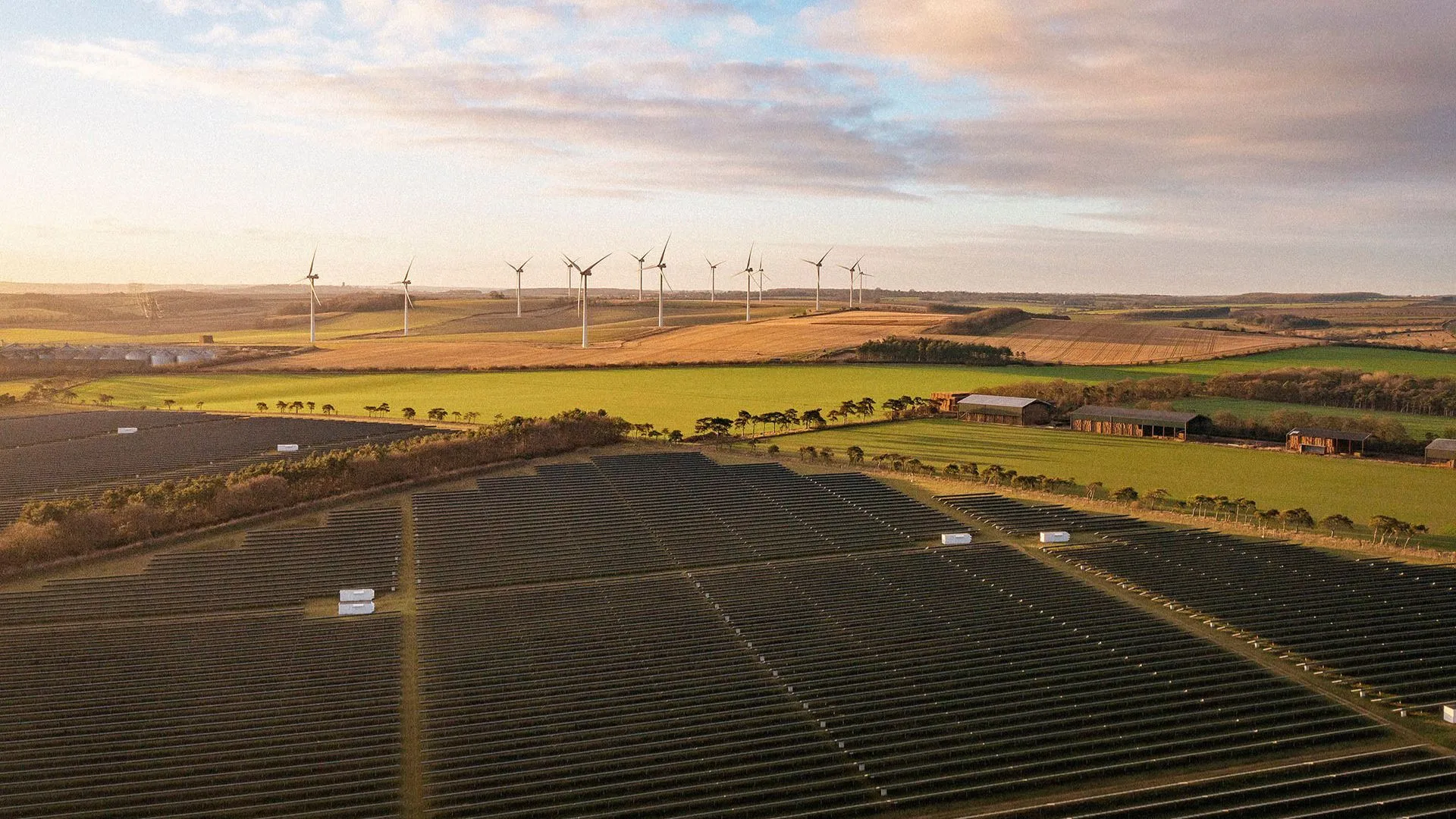
The National Energy System Operator(NESO) has made official its new list of priority energy projects, a decision that promises to unlock £40 billion in annual investment.
Preparation of energy projects for 2030
During the last five years we have witnessed how the queue to access the electricity grid electricity grid tenfold. This backlog reached 700 GW, an absurd figure that exceeded four times Britain’s actual need. The old “first come, first served” model allowed unfunded and unpermitted initiatives to block the way to viable developments.
Now, the system is evolving into a technical meritocracy. As of today, thousands of developers will know whether their wind farm, solar or battery storage proposals are part of the 283 GW of generation capacity selected. In addition, 99 GW of transmission-connected demand has been confirmed. This screening ensures that only those who demonstrate strategic alignment with the Government’s Action Plan will move forward.
Kayte O’Neill, chief operating officer of NESO, has been clear that this transformation provides certainty about when and where assets can be connected. By prioritizingshovel-readyprojects, bottlenecks that were strangling the economy are reduced.
Energy Secretary Ed Miliband has endorsed this vision, calling the reforms once-in-a-generation. In his words, every storage or renewable generation facility that comes online brings us closer to home-grown, domestically controlled energy.
The impact of this new portfolio transcends conventional electricity. Clare Jackson, of
Jonathan Brearley, CEO of Ofgem, also stresses that demand has reached unprecedented levels due to the rise of data centers and artificial intelligence. As a result, network construction must go as fast as possible for the sector. Projects that were left out in this round will be able to reapply for inclusion from the end of 2026, provided they demonstrate their technical maturity.
Source and photo: NESO