During the OSRL 2025 event, Adriana Handszer, senior consultant for the Americas at Oil Spill Response Limited (OSRL), addressed the challenges faced by companies in Latin America in terms of operational readiness for environmental emergencies. Her presentation exposed a worrying situation: contingency plans tend to focus on meeting regulatory requirements, leaving aside actual operating conditions and the specific risks that could materialize.
According to Handszer, many organizations in the region focus their efforts on developing plans that respond to regulatory requirements, but neglect their applicability in the field.
"It becomes a compliance exercise, a checklist that ignores how to respond effectively at the first moment of an emergency."
Handszer states.
This first response is important to mitigate environmental impacts and prevent the incident from escalating.
In this context, the development of tactical plans adapted to the geography and real scenarios of each operation becomes relevant. According to the consultant, these plans should include clear guidelines on response times, roles of the personnel involved and the effective application of systems such as incident management, which, although standardized globally, has not yet been widely implemented in Latin American countries.
One of the structural causes identified by Handszer is the age of environmental regulations in many countries in the region. With regulatory frameworks dating back to the 1980s or 1990s, the result is a gap between what is required by law and what is really needed to deal with a contingency in the current context.
This disconnect prevents companies from prioritizing the upgrading of their operational capabilities and limits their scope for action. Instead of incorporating modern technologies, models and protocols, they focus on formats, structures and requirements that do not evolve at the pace of today's risks.
Another important aspect highlighted by the consultant is the management of communications during an emergency. The constant presence of digital media and social networks has drastically reduced reaction time, generating new challenges that many companies are not prepared to face.
Handszer notes that in many organizations, the ability to issue an official communication depends solely on headquarters, which delays responses.
"Today the media doesn't wait, and a minor event can be amplified disproportionately in a matter of minutes."
Handszer noted.
For this reason, he insists on the need to train the personnel closest to the operation so that they can manage the means from the beginning of the contingency.
It also proposes to include the communication component as an integral part of crisis management training. This will make it possible to contain the event both technically and in terms of public perception.
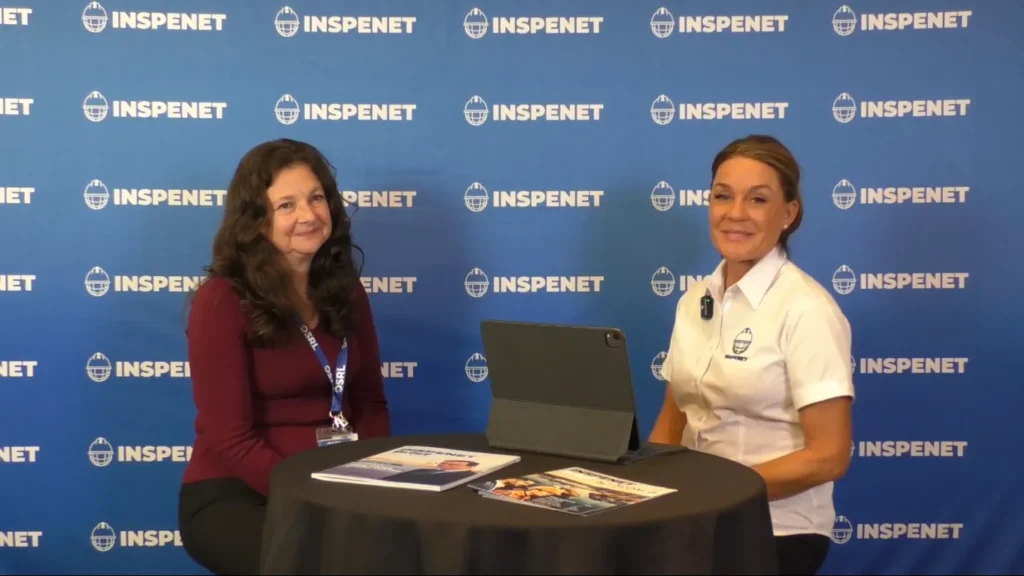
Adriana Handszer also highlighted OSRL's role as a cooperative specializing in spill preparedness and response. With a track record of more than 40 years, OSRL offers technical support, specialized training and advice in the development of plans.
"What a company gets from being a member of OSRL is peace of mind, knowing that there is a team ready to respond, that can help identify risks and assist in planning, makes a big difference," he says. This support network brings operational experience and knowledge of best practices that can be adapted to each context.
This accompaniment is especially relevant in high-pressure scenarios, where lack of preparation can lead to communication failures, disorderly responses and escalation of the incident.
Although spill-related incidents have reduced in frequency, they still represent a major risk when they do occur. For Handszer, one of the main problems is complacency: "Because it doesn't happen every day, you lose the sense of urgency, but when it does, the consequences are enormous."
Among the most urgent challenges is the need to correctly identify and plan for worst-case scenarios. Added to this is the incorporation of digital media as part of the risk environment, an element that is increasingly difficult to control without a clear strategy.
Operational preparedness can no longer be seen as a documentary exercise or a generic response. It must be realistic, adapted to the territory and updated in the face of new technological and social scenarios.
For more content about OSRL 2025, please visit our LinkedIn profile.
Source: Inspenet.