
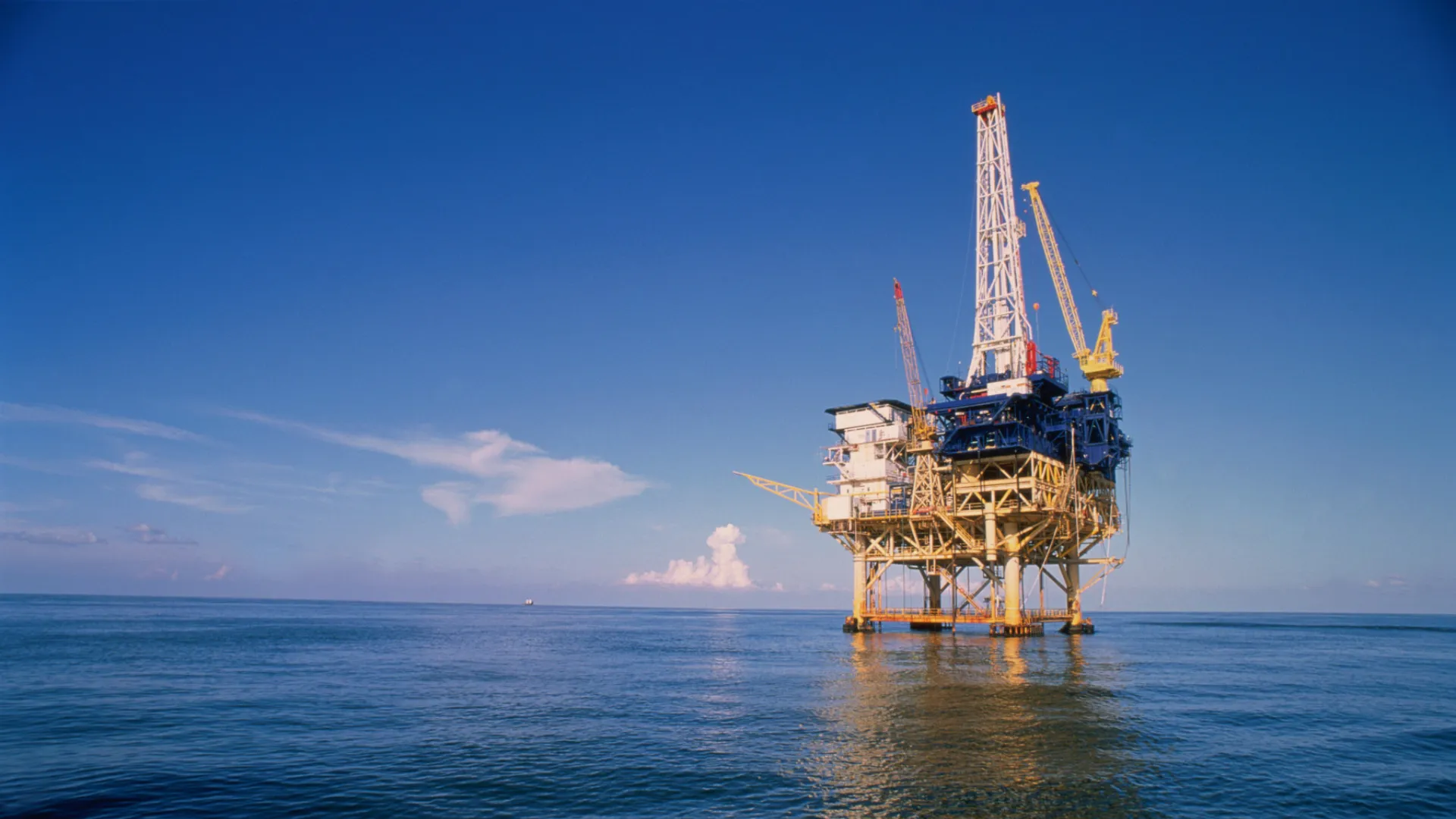
Nokia and Tampnet have joined forces to deploy an advanced private 5G network in the Gulf of Mexico, with the aim of modernizing offshore operations in the energy sector. The initiative represents a significant expansion following the successful deployment on the Norwegian continental shelf in early 2025, where they installed the world’s first autonomous offshore 5G network.
With this new phase, both companies aim to offer low-latency, high-availability connectivity to more than 350 offshore facilities, including platforms, FPSOwind farms and specialized vessels.
What is the role of Nokia and Tampnet?
Nokia’s 5G AirScale technology is at the core of the deployment because it allows offshore companies to incorporate real-time remote real-time remote monitoring, predictive maintenanceThe 5G AirScale technology is at the heart of the deployment because it enables offshore companies to incorporate real-time remote monitoring, predictive maintenance, scalable automation and digital services that improve operational efficiency and safety.
On the other hand, Tampnet, recognized as the operator of the world’s largest offshore network, will manage the physical infrastructure that connects the world’s offshore offshore assets assets to the mainland.
With Nokia’s 5G technology, we are taking a significant step toward modernizing our offshore networks in the Gulf. This investment will enable us to meet the changing connectivity and automation needs of offshore industries, improve worker safety and develop new digital applications that were not previously possible.
Arnt Erling Skavdal, CTO Mobile Technology at Tampnet.
What is the strategic impact for the U.S.?
The Gulf of Mexico is one of the most important energy production regions in the world, with very challenging operating environments. Private, low latency 5G connectivity will enable:
- View the status of machines and processes from ground control centers.
- Use sensors and data to predict equipment failures before they occur, avoiding costly downtime.
- Improve communications for workers, enable advanced video surveillance and possibly use drones or robots for hazardous tasks.
- Optimize logistics operations, remote control of machinery and fleet management.
- Enable new digital applications, such as augmented reality for repair assistance or massive data analysis to improve production.
In essence, Nokia and Tampnet are bringing the power and capabilities of Industry 4.0 to the sea.
Source and photo: Nokia