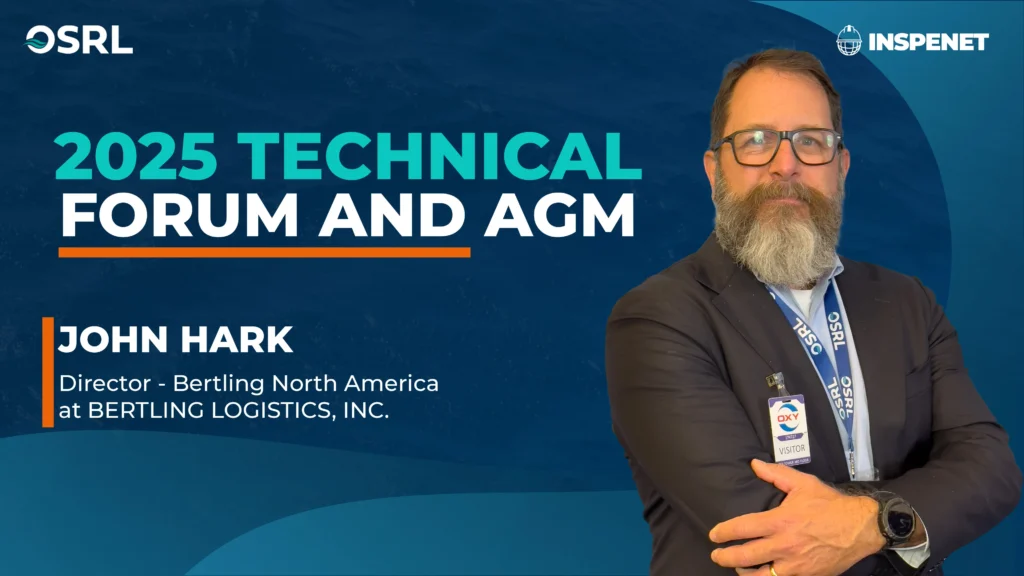
The global logistics landscape has changed dramatically since the pandemic. For companies like Bertling Logistics, what was once considered routine now requires advanced planning, operational flexibility and consolidated strategic relationships, explains John Hark, director of chartering for Bertling North America, who shared his vision during the OSRL 2025 event.
"Since the pandemic, the world learned what logistics is, when they couldn't find what they needed in the supermarket. That raised the profile of the sector, but it also made everything more complex."
Hark points out.
In this new context, companies can no longer operate under the assumption that it is business as usual. Even less so in sectors such as energy, where logistical incidents require immediate responses.
Bertling Logistics, with more than 158 years of experience, has developed an infrastructure that allows it to operate with agility in emergency situations. According to Hark, the crucial thing is to maintain constant relationships with shipping lines, airlines, customs brokers and land operators, "We are a supplier for OSRL, and they count on us to have those connections ready. It's a constant job," he says.
The company specializes in the oil, gas and energysector, so its personnel and resources are already deployed in regions where there is extractive activity. This allows them to react quickly to an event because they already know the terrain, local regulations and critical suppliers.
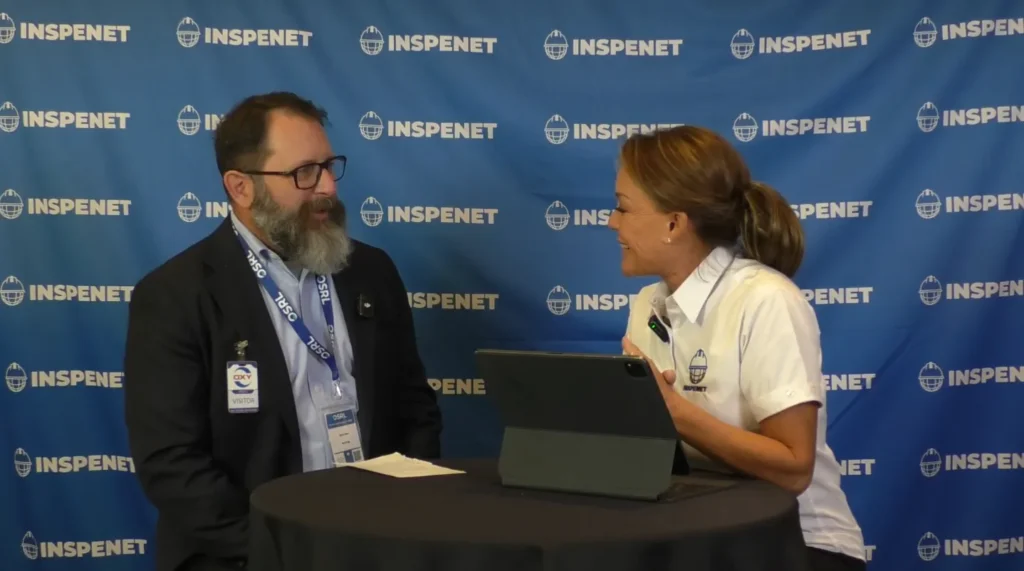
One of the biggest obstacles in emergency logistics is the paperwork. Hark makes it clear: "The paperwork has to be right from the start, even if there is government support, if you don't have the paperwork in order, nothing moves." This is where the framework agreements that Bertling Logistics has with its suppliers come into play.
Although there are formal contracts, the important thing is often the trust built up over years of collaboration. This mutual experience makes it possible to move forward quickly in the midst of a crisis, knowing that each party will fulfill its obligations.
While planning is essential, Hark recognizes that emergencies bring unforeseen events and no matter how much you plan, when the time comes, everything changes. That's why Bertling Logistics focuses on operational flexibility; by knowing the routes, players and local conditions, they can adapt on the fly without losing efficiency.
That adaptability is also fueled by the constant work in regular operations, where the company moves supplies and spare parts every day for its customers in energy zones, keeping them up to date and ready to act.
The collaboration between Bertling Logistics and OSRL goes beyond incidents. "Our regular customers benefit from our emergency response expertise, and OSRL gains access to our global network and operational knowledge," Hark explains. That synergy improves both prevention and reaction to complex logistics events.
This collaboration strengthens emergency response and, in turn, enriches In turn, it enriches the operational preparedness of both. This cooperation makes it possible to share lessons learned, anticipate complex scenarios and establish more efficient procedures.
Today, even routine operations require flexible planning. Supply chains have become more responsive, and companies must be ready to adjust their processes in real time.
For more content about OSRL 2025, please visit our LinkedIn profile.
Source: Inspenet.