
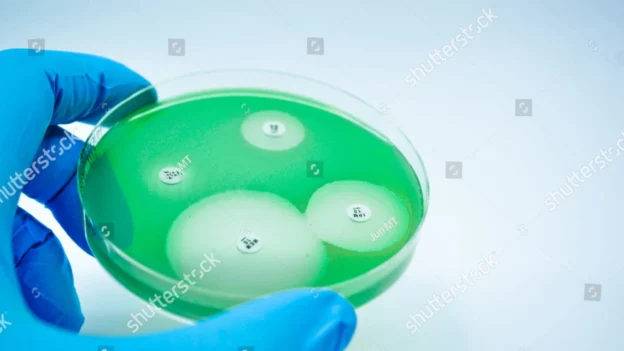
Scientists create bacteria that glow on contact with microplastics, offering a quick and inexpensive method for detecting environmental contamination.
Researchers at ACS Sensors have developed an innovative living biosensor capable of detecting microplastics by means of a green fluorescent glow. This tool, based on modified bacteria, promises to speed up traditionally slow and costly environmental monitoring processes. The breakthrough could transform the way in which areas of high contamination are identified and cleanup efforts are targeted.
Biotechnology applied to environmental care
The ability to directly observe how microplastics “glow” thanks to bacteria helps to raise awareness of the magnitude of the problem. This strengthens environmental awareness and motivates people to change their plastic consumption habits.
Globally, the integration of these biosensors in international projects could accelerate early detection of pollution and improve mitigation strategies. Initiatives such as the European Plastics Strategy or ocean mapping expeditions would find in this biotechnology a practical and scalable tool.
These fluorescent bacteria, symbolically called “Green Lanterns,” represent not only a technical breakthrough, but also a tangible hope that it is possible to protect aquatic ecosystems with creative, accessible and sustainable solutions.
How does this new biological sensor work?
Microplastics (tiny particles present in water, air and soil) are usually detected by microscopy or spectroscopy, precise but complex techniques. Seeking a more accessible alternative, Song Lin Chua’s team modified the bacterium Pseudomonas aeruginosa, common in nature, but manipulated here into a non-infectious strain.
The scientists added two key genes: one that activates a protein on contact with plastic and another that generates green fluorescence as a detectable signal. In laboratory tests, the biosensor glowed in the presence of common plastics such as PET and polystyrene, while it did not react to materials such as glass or sand. The response occurred in less than 3 hours, and the bacteria maintained their activity for 3 days under refrigeration, facilitating their transport to the field.
Why could this breakthrough transform environmental monitoring?
According to Chua, “our biosensor offers a fast, affordable and sensitive way to detect microplastics in environmental samples in a matter of hours”. The technology could become a key tool for large-scale monitoring programs, making it possible to identify contamination hotspots and optimize analysis resources.
With this finding, biotechnology opens a promising avenue to address one of the most persistent and difficult to track environmental threats: microplastic pollution.
Source: ACS