
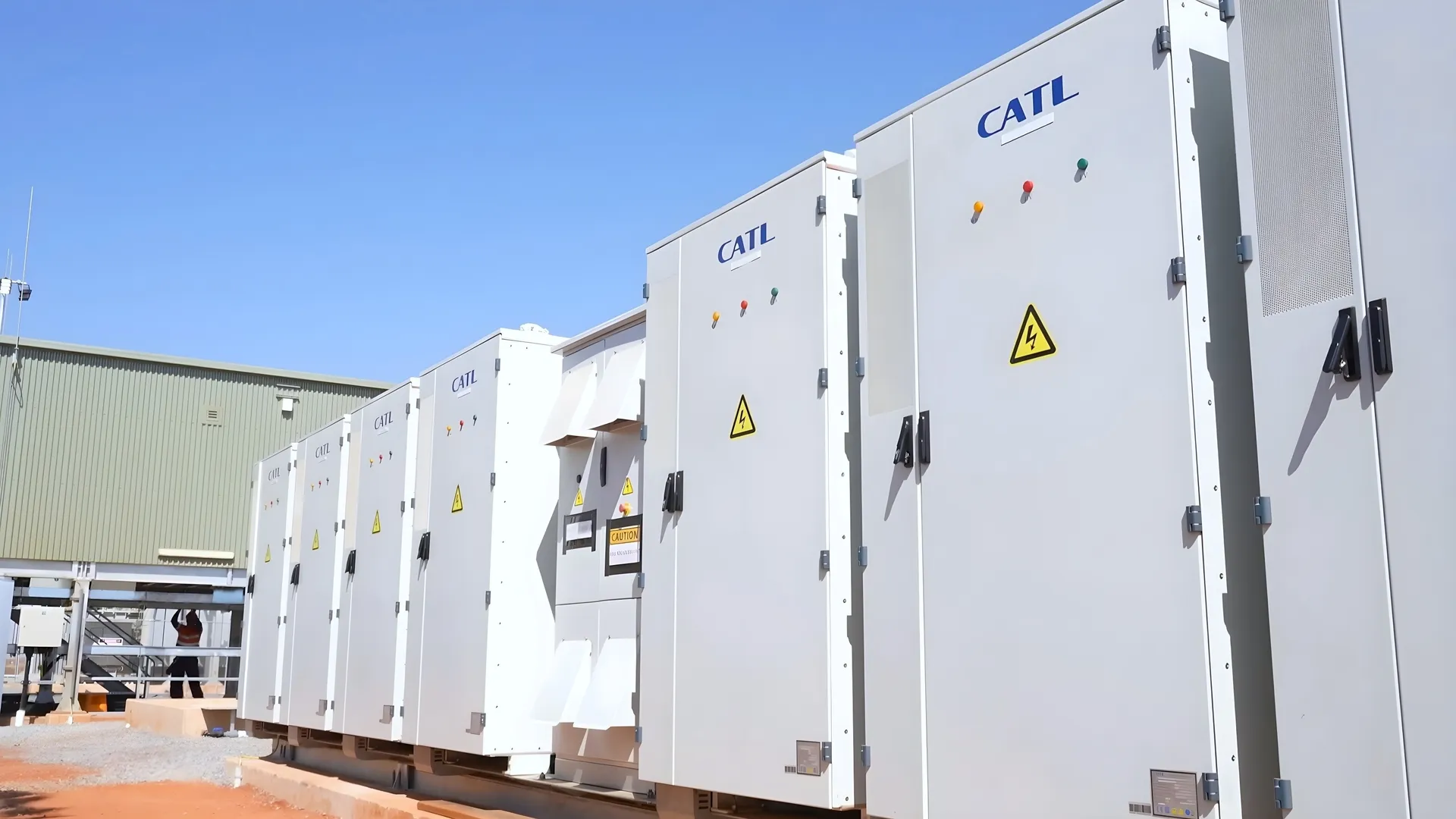
According to an ECO STOR analysis, battery energy storage systems can supply up to 30 GW of backup capacity, making the national energy system more robust and efficient.
A technical response to intermittency
The study is supported by an energy-economic optimization model developed with PyPSA, which considers actual weather and power generation data. Under the German government’s projections for 2030, the model showed that 60 GW of storage with two to four hours of autonomy would be sufficient to reduce 15 to 20 GW of back-up generation demand.
When installed capacity rises to 100 GW, this reduction amounts to 24 GW. And if measured in total stored energy, 1,000 GWh (equivalent to 125 GW for 8 hours) can cover up to 30 GW of capacity that today relies on fossil fuels.
More flexibility, less carbon
Unlike other technologies, batteries can compensate for point variations in the grid, smooth out load peaks and operate quickly to balance the system. This significantly reduces dependence on thermal power plants and cuts system operating costs.
According to Georg Gallmetzer, spokesman for ECO STOR, taking full advantage of this electrical flexibility would make it possible “to dispense with up to 30 GW of backup plants, which strengthens the system and reduces costs.” He also pointed out that even modest capacities bring considerable benefits from the early stages of implementation.
A change in perception
The company notes that there are “biases” about whether large-scale storage is a reliable solution. With this study and its free online simulation tool, they seek to:
- Demonstrate with data that batteries are a mature and essential technology.
- Promote an objective debate on the energy system future.
- Show that batteries bring real value to the system (stability and savings), they are not just an “accessory” to renewables.
Even so, the analysis is realistic and clarifies that short-term batteries (hours) are not the solution for everything. For prolonged periods without wind and sun, as can happen in winter, other complementary solutions are needed, such as:
- Long-term storage (e.g., with hydrogen).
- Electricity exchange with neighboring countries.
- Flexible demand management (scheduling the consumption of factories for when there is excess energy).
A critical component for the electric future
With this new study, the company reaffirms that battery energy storage is not a futuristic alternative, but an available and effective tool to achieve a cleaner, more economical and safer energy system.
Source: ECO STOR