
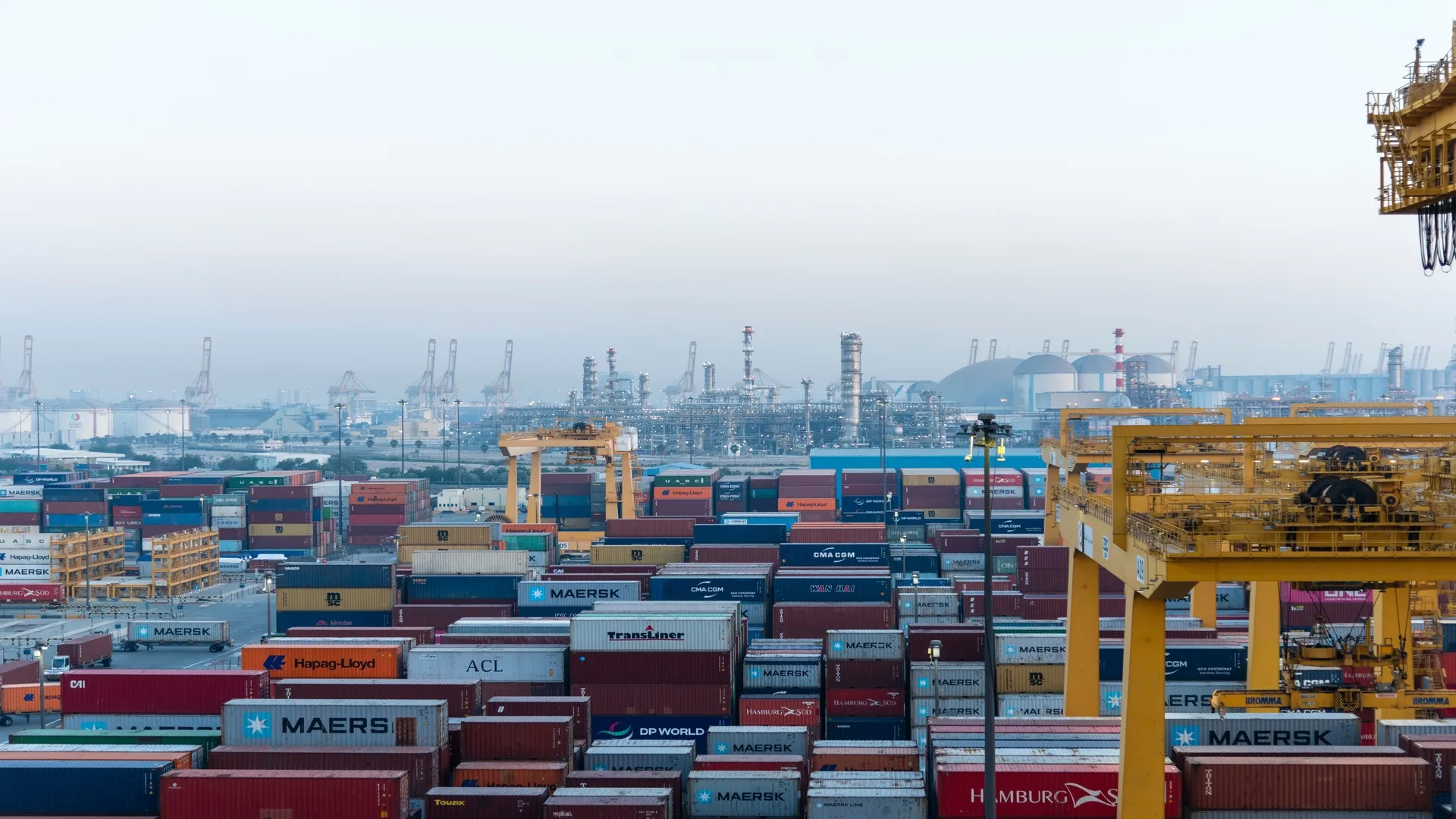
DNV and Menon Economics have published for the first time the Leading Container Ports of the World (LCP) report, an independent ranking that identifies the best performing container ports globally. This first edition of the ranking places Singapore as the undisputed leader, followed by Shanghai, Ningbo-Zhoushan, Rotterdam and Busan.
The assessment covers 160 container ports, compared by 35 indicators grouped into 5 strategic pillars:
- Facilitators
- Connectivity and customer value
- Productivity
- Sustainability
- Overall impact
The objective of the report is to provide an analytical basis for ports to adapt their operations to the current challenges of global trade and environmental commitments. environmental commitments.
How was the ranking constructed?
Unlike rankings based solely on volume, the LCP report incorporates both objective data and assessments by industry experts. Indicators such as annual TEU (Twenty-Foot Equivalent Unit) traffic, berth productivity berth productivityberth productivity emissions reduction or the availability of alternative fuels, are cross-referenced with qualitative assessments of each port’s strategy and adaptability.
DNV points out that this ranking seeks to drive a transformation based on real data, highlighting that ports with strategic vision, clear communication and technological leadership will set the standard in the coming years.
Top 5 container ports in the world
- Singapore: Its strength lies in its world-class infrastructure, transparent governance and a global network that connects with major shipping lines. It has also pioneered automation and the implementation of green shipping corridors.
- Shanghai: The port with the highest operating volume on the planet, with 51.5 million TEUs mobilized in 2024. Its outstanding score in connectivity and sustainability positions it as a benchmark in Asia.
- Ningbo-Zhoushan: is the fastest growing port globally with a 26% increase in three years, driven by its role in the Belt and Road Initiative.
- Rotterdam: Europe’s largest port. A benchmark in sustainability and innovation, with major investments in alternative fuels and digital technology.
- Busan: A logistics hub in Northeast Asia and a crucial transshipment point for the supply chains of Korea, China and Japan.
In addition to the global ranking, the LCP report also recognizes outstanding ports by region. New York and New Jersey, Hamburg, Tangier Med, Jebel Ali and Sydney are listed as leaders in their geographic areas, showing increasing global competition to attract routes and cargo.
What do ports need to do to stay competitive?
According to DNV and Menon Economics, the future of container ports is container ports depends on strategic planning, digitalization, sustainability and resilience. Port authorities that embrace innovative models and anticipate logistics disruptions are better positioned to lead in a changing global environment.
Likewise, the integration of technology, process automation and clean energy supply are factors that will make a difference in the coming years, both to reduce the environmental footprint and to improve efficiency in the movement of goods.
Source: DNV