
Our goal is to produce hydrogen from renewable energy wherever it is possible for the system and economically viable,” said Stefan Dohler, CEO of EWE.
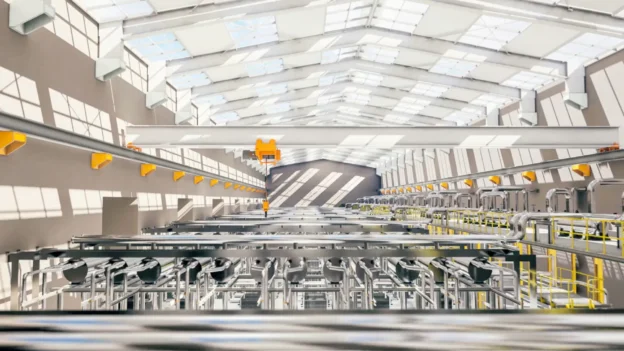
The German energy service provider EWE has awarded Neuman & Esser the supply of compressor technology for one of Germany’s largest electrolyzers, located in Emden. This green hydrogen production plant, with a capacity of 320 megawatts, will start operating on an industrial scale from 2027.
The three compressors ordered will form an essential part of the plant’s peripheral infrastructure, ensuring the efficient processing of the hydrogen produced. Stefan Dohler, CEO of EWE AG, emphasized that Emden offers ideal conditions thanks to its existing grid infrastructure and the high proportion of wind power available in the region.
Flagship project in Germany’s hydrogen strategy
The Emden plant forms the core of the “Clean Hydrogen Coastline” project , a four-part initiative that integrates production, storage, transport and use of green hydrogen. EWE received funding approval under the European IPCEI (Important Project of Common European Interest) program during the summer of 2024.
The project is currently in the detailed planning phase while the facilities are being prepared. Deep foundations will start next winter, followed by the construction of buildings and installation of the production technology. This will be the largest plant of its kind in Germany at present.
Jens Wulff, managing director of Neuman & Esser Germany, expressed his satisfaction with the trust placed in EWE and emphasized the importance of innovative technology for the success of the hydrogen economy.
Challenging infrastructure for energy transition
Northwestern Germany offers optimal natural and infrastructural conditions for the development of the hydrogen economy, with its salt caverns, wind energy and water availability. The Emden electrolyzer will not only supply feedstock for industry and transport, but will also contribute to stabilizing the electricity market and improving the integration of renewable energies.
Need for a stable regulatory framework
For projects such as the Emden electrolyzer to reach their full potential, political reliability is required. Dohler emphasized the expectation that the new federal government will ensure the hydrogen economy’s momentum with a stable long-term framework, through the rapid expansion of renewable energies, competitive financing mechanisms and pragmatic regulation.
Germany is pushing in Brussels for an adjustment of the EU’s electricity procurement criteria. Current requirements stipulate that electrolyzers must obtain electricity at exactly the same time and place as a new wind or solar farm, making production considerably more expensive.
Source: Ewe