
Table of Contents
The Yggdrasil project led by Aker BP together with its partners Equinor and Orlen Upstream Norway represents a profound change in the way oil and gas extraction is conceived. The strategy is based on centralized offshore management that minimizes human presence at sea.
The operational efficiency of the Yggdrasil project
During technical analysis, the use of platforms such as Munin and Hugin B allows cost reduction. These structures have no helipads or permanent accommodations because their design prioritizes reliability and low maintenance. Personnel only access them through planned high-efficiency campaigns. Process control is handled entirely from the Integrated Operations Center in Stavanger thanks to a network of thousands of intelligent sensors.
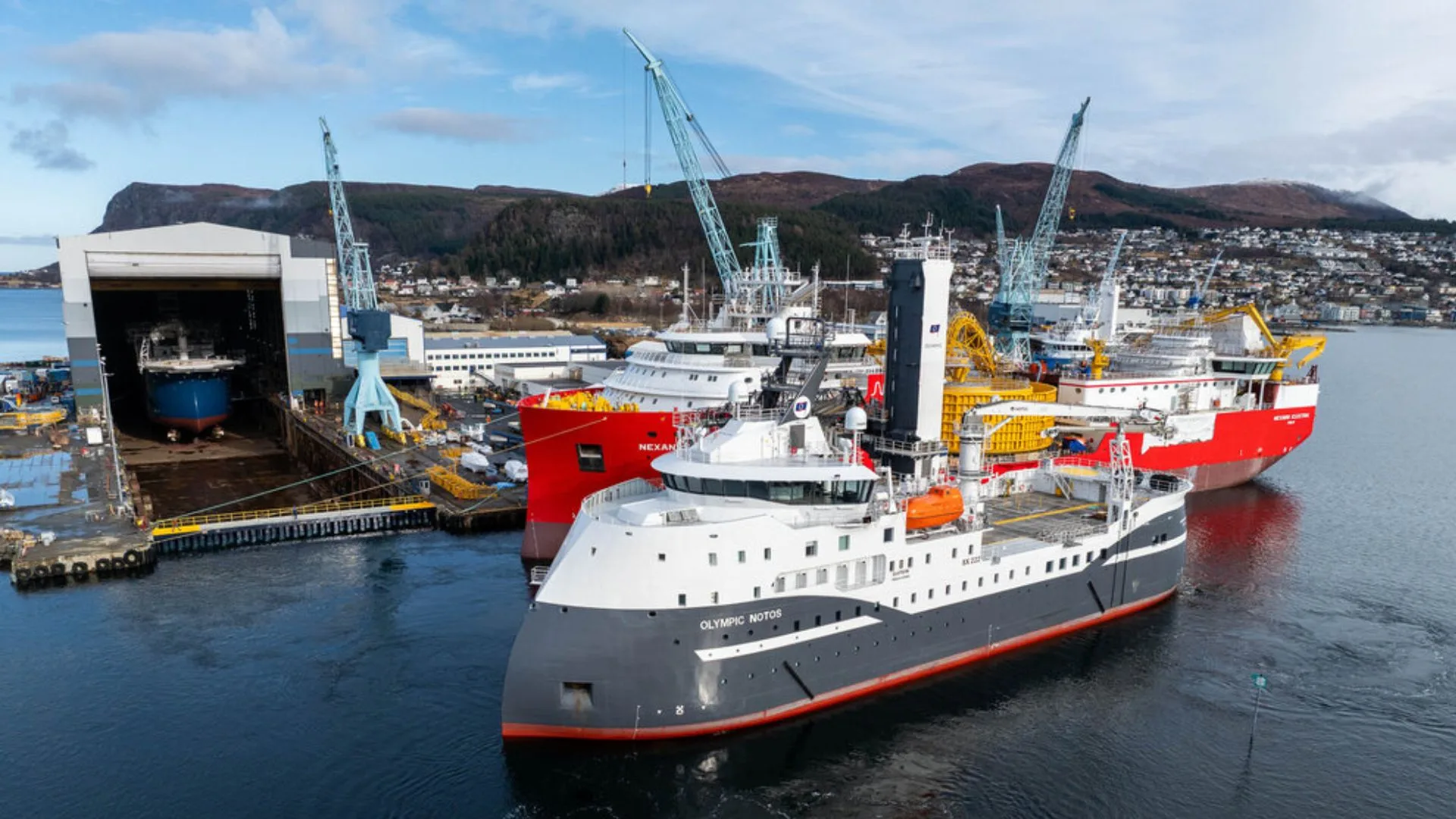
The logistics of this complex system depend on specialized vessels such as the Olympic Notos. This vessel from Ulstein Verft provides direct access to the work via motion-compensated gangways. My professional assessment highlights that this model allows technicians to live aboard ship in maximum safety and comfort. This approach eliminates the need for costly offshore infrastructure and reduces dependence on helicopter transport.
Sustainability is a fundamental pillar in this digital ecosystem where all facilities receive electricity from onshore. This technical decision guarantees production with extremely low greenhouse gas emissions. Likewise, the integration of 3D models and predictive maintenance through artificial intelligence ensures that the first production scheduled for 2027 will be achieved under the highest safety standards. The offshore industry is facing a new paradigm of operational autonomy.
Source and photo: Ulstein