
Vestas drives wind industrial investment in Scotland
Danish company Vestas has announced an ambitious plan to build a nacelle and hub factory in Scotland, with an investment exceeding 250 million euros. This facility will focus on meeting the growing demand for offshore wind energy in the UK and Europe.
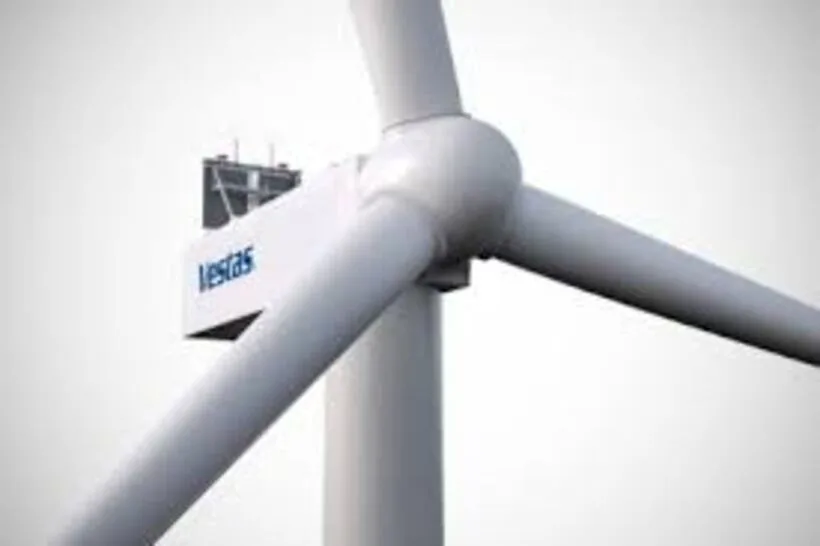
The project involves manufacturing critical components for the company’s flagship offshore turbine, the V236-15.0 MW, one of the most powerful on the global market. The plant will strengthen local industrial capacity in a highly strategic segment.
In addition to the technological impact, the investment anticipates the creation of up to 500 direct skilled jobs, along with a multiplier effect on the supply chain, consolidating a wind industrial ecosystem in the region.
AR7 auction drives expansion and offshore demand
The announcement follows the record results of the AR7 auction in January 2026, a key mechanism for the development of offshore wind projects in the United Kingdom. This milestone has generated a clear market signal for manufacturers like Vestas.
The country’s growing offshore order book reinforces the project’s viability, aligning investment with sustained and predictable demand. This point is critical to justify the localization of capital-intensive industrial capacities.
The distinguishing factor is that the final investment decision is directly contingent on the results of the AR7 and AR8 rounds, highlighting the strong dependence between energy policy and industrial deployment.
Supply chain and decisive strategic relocation
One of the most relevant elements of the project is its focus on supply chain consolidation. The plant will not only manufacture nacelles but could also drive the relocation of key suppliers to the UK.
This move responds to a global nearshoring trend in renewable energy, where manufacturers seek to reduce logistical risks, costs, and external dependencies in large-scale offshore projects.
If realized, the facility would become Vestas’ fifth European plant dedicated to offshore wind turbine components, reinforcing its vertical integration strategy and operational resilience.
Energy impact and the UK’s tactical vision
The project has the support of the British and Scottish governments, highlighting its role in energy security and the transition to renewable sources. Figures such as Ed Miliband have underscored its impact on jobs and industry.
From a technical-strategic standpoint, the initiative reinforces the UK’s position as a European offshore wind energy hub, a key sector for the decarbonization of the energy system.
The plant could become operational by 2029 or 2030, depending on contract closures and permits, introducing a critical element: the synchronization between offshore project development and available manufacturing capacity.
Source and Photo: https://www.vestas.com