
Table of Contents
The signing of a contract for a basic engineering study (FEED) between thyssenkrupp nucera and Juno Joule marks a substantial breakthrough for the low-emission industry. This agreement focuses on the design of an electrolysis plant with a capacity of 260 megawatts, located at a strategic point to take advantage of the region’s renewable potential.
Structuring of the 260 megawatt green hydrogen plant
Indeed, the project is not limited to the generation of green hydrogen. The plan envisages an integrated structure in which SELECT Energy also participates to transform this energy vector into green ammonia. This final product will be processed under strict RFNBO regulations, which facilitates its export to European markets hungry for solutions to decarbonize their industrial processes.
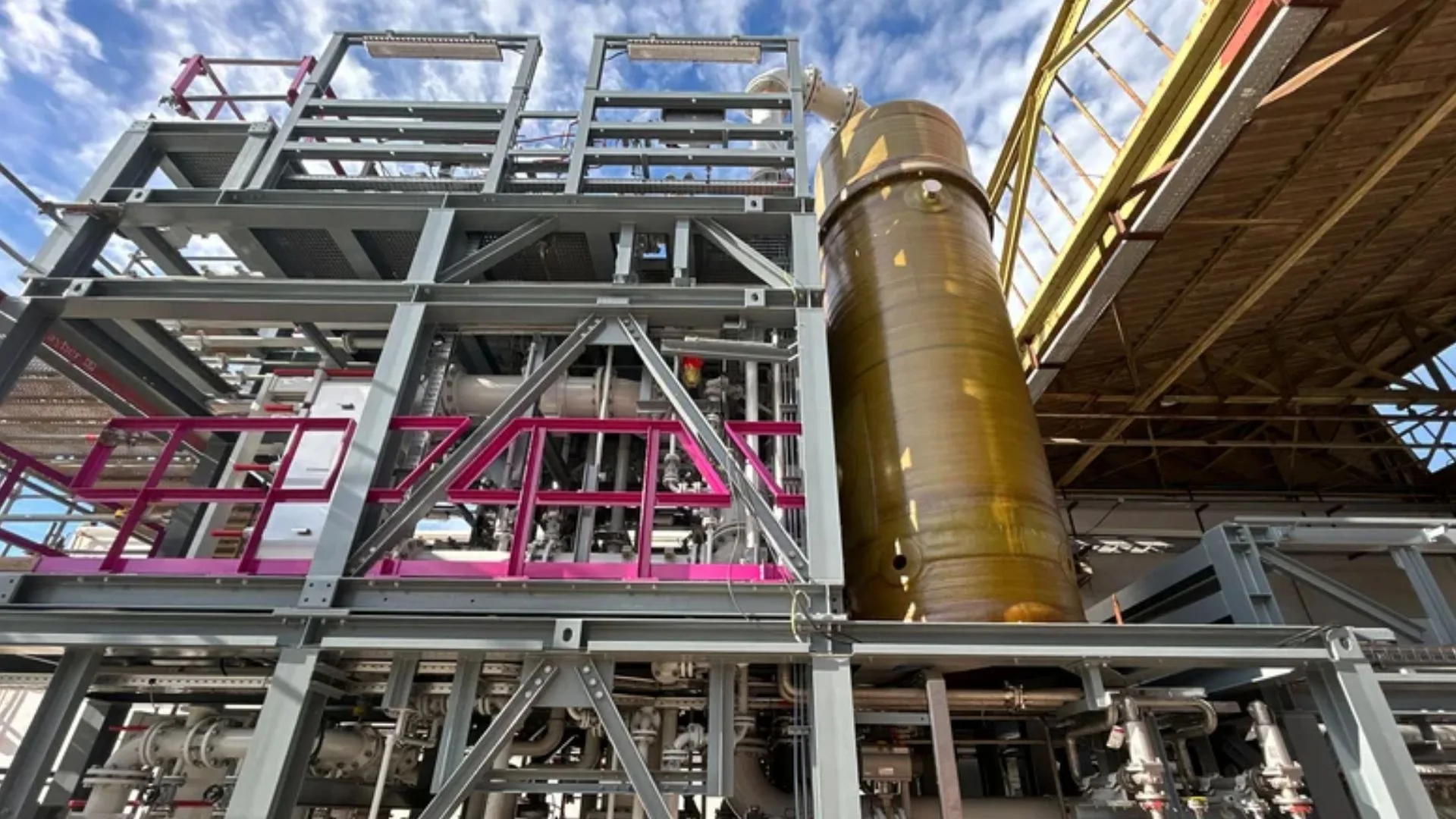
Under this technical perspective, thyssenkrupp nucera’s specialists will apply their alkaline water electrolysis technology to ensure the operational stability of the complex. The plant will be powered by a hybrid grid combining solar, wind and hydroelectric sources, ensuring a constant supply for chemical production. This initiative also represents the debut of the German company’s hydrogen portfolio in India, consolidating its presence in one of the fastest growing markets.
Beyond technical design, financial viability is a top priority for the companies involved. Dr. Werner Ponikwar, head of the technology provider, has pointed out that India’s geographical conditions are ideal for achieving higher levels of efficiency. The final investment decision is estimated for the 2026/2027 fiscal period, at which point the collaboration is expected to move into a final manufacturing and construction phase.
Finally, it is essential to note that this move is in line with previous agreements between the technological entity and international cooperation agencies such as the GIZ. This network of alliances seeks not only to establish production plants, but also to foster a robust market of Power-to-X solutions solutions that will enable India to lead the export of clean molecules to the West.
Source and photo: thyssenkrupp nucera