
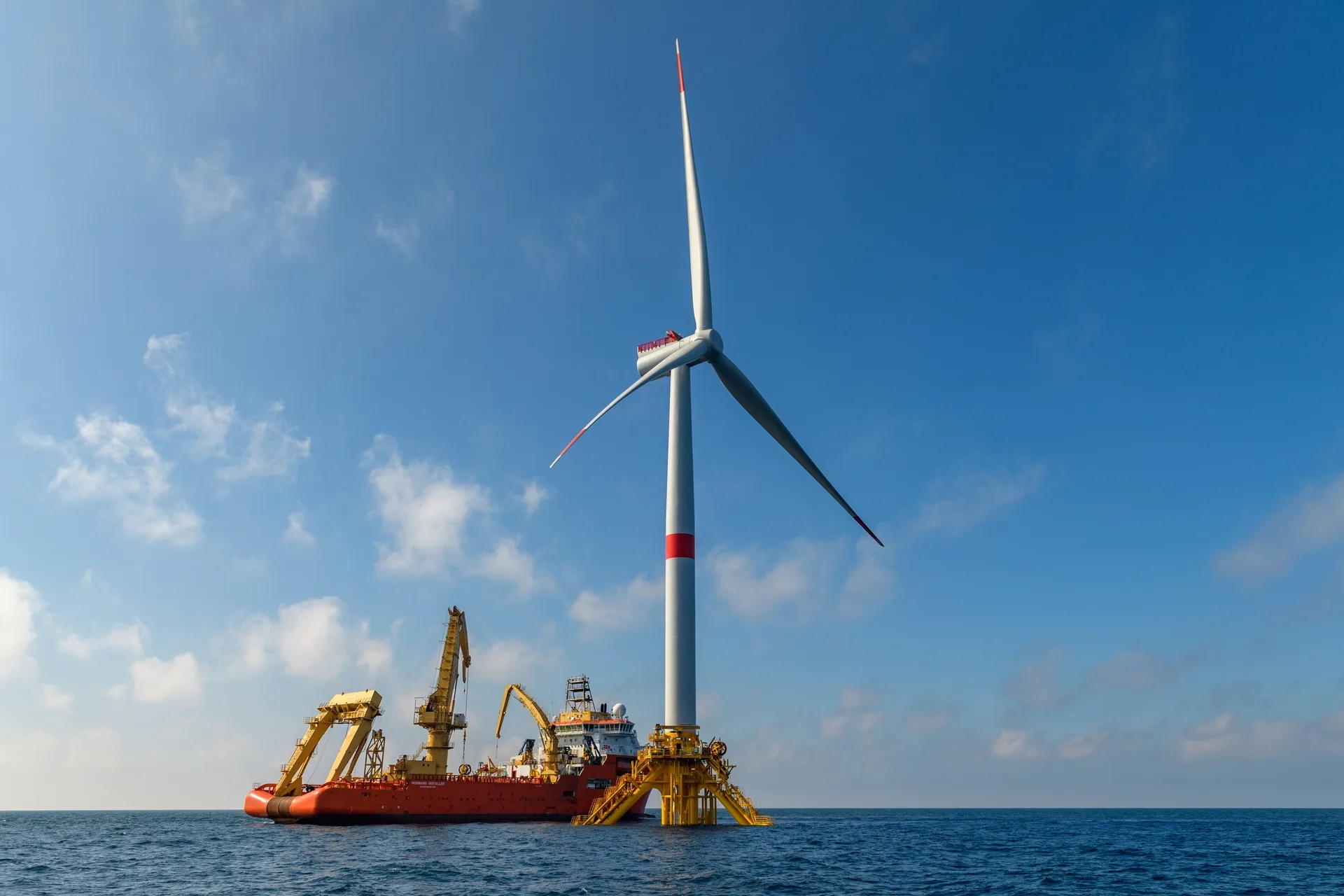
Floating offshore wind reshapes the UK energy map
The UK Government has announced an investment of £64 million to transform Port Talbot into a key hub for floating offshore wind in the Celtic Sea. This move is part of a broader strategy for energy independence and industrial decarbonization.
Unlike conventional offshore wind, floating technology makes it possible to install turbines in deep waters, where winds are stronger and more consistent. This positions the Celtic Sea as one of Europe’s most promising locations for this emerging technology.
The project includes enabling port infrastructure capable of supporting up to 4.5 GW of installed capacity—enough to supply around 6.5 million homes—thereby establishing a new energy frontier for the country.
Port Talbot: from traditional steel to an energy hub
The project’s true strategic value lies in the structural transformation of Port Talbot, historically tied to the steel industry. The investment not only drives clean energy, but also redefines the region’s industrial role.
The port, developed by Associated British Ports, will be one of the first in the UK designed specifically to support large-scale floating wind projects, integrating logistics, assembly, and offshore deployment.
This development is complemented by parallel investments in clean steel, including support for Tata Steel to build an electric arc furnace, creating synergy between industrial production and the energy transition.
Synergy between energy, steel, and advanced logistics
One of the project’s most significant aspects is the convergence of three industrial pillars: renewable energy, decarbonized steelmaking, and port development. This integration makes Port Talbot a model for industrial transition.
The establishment of the Celtic freeport adds an additional layer of economic appeal, facilitating foreign investment and strengthening supply chains linked to clean energy and advanced manufacturing.
In addition, the strategy includes workforce transition programs, support for local businesses, and technical training, ensuring that the energy transformation also delivers positive social impact in the region.
Energy geopolitics and security of supply
The geopolitical context has been decisive in accelerating these types of projects. Tensions in global fossil fuel markets have highlighted the vulnerability of relying on external energy sources.
Figures such as Ed Miliband have stressed that the only sustainable way to reduce long-term energy costs is through domestic generation based on clean sources.
In this sense, Port Talbot is not only an energy project, but a decisive factor in the UK’s strategy to establish itself as a clean energy superpower, reducing geopolitical risks and strengthening its industrial resilience.
Source: https://www.gov.uk/
Photo: Shutterstock