
Table of Contents
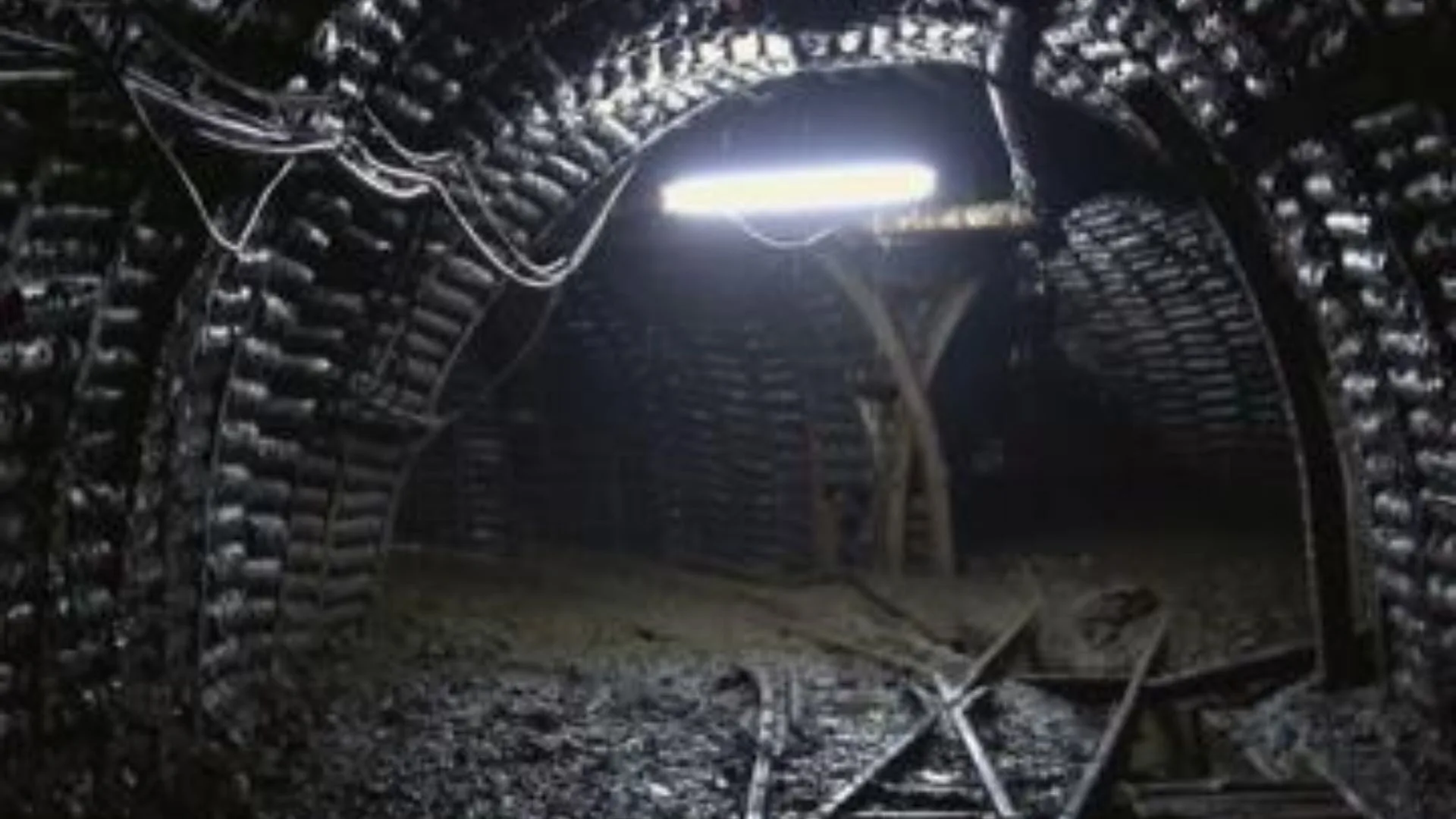
Researchers at the Oak Ridge National Laboratory (ORNL) have decided to repurpose spaces left by the coal industry to create underground pumped-storage hydroelectricity systems. The goal is to convert spaces that previously extracted resources into reservoirs that store electricity for when wind and solar power are unavailable.
The science behind coal mines and pumped-storage hydroelectricity
Pumped-storage hydroelectricity (PSH) technology represents nearly all large-scale energy storage in the country. Normally, mountains or hills are needed for water to fall and generate power, but by using deep mines, the elevation change is created artificially.
Scientists are using advanced hydrodynamic models to verify if these rock walls can withstand the pressure of constantly moving water. Likewise, chemical simulations have been developed to understand how stagnant water will react with the remaining minerals in the mines.
In addition to load capacity, experts are focused on tunnel integrity. Thien Nguyen, a researcher at ORNL, confirmed that overcoming chemical erosion and ensuring the ground does not collapse are his team’s current priorities.
These modeling tools allow private companies to identify which specific mines are suitable for construction without taking unnecessary risks. It is a meticulous selection process where every fracture in the rock counts toward the long-term viability of the project.
Finally, the ultimate goal of this initiative is to strengthen the security of the local power grid. By having these energy reservoirs spread across regions that previously relied exclusively on coal, a more equitable and efficient distribution of supply is achieved.
Source and photo: ORNL