
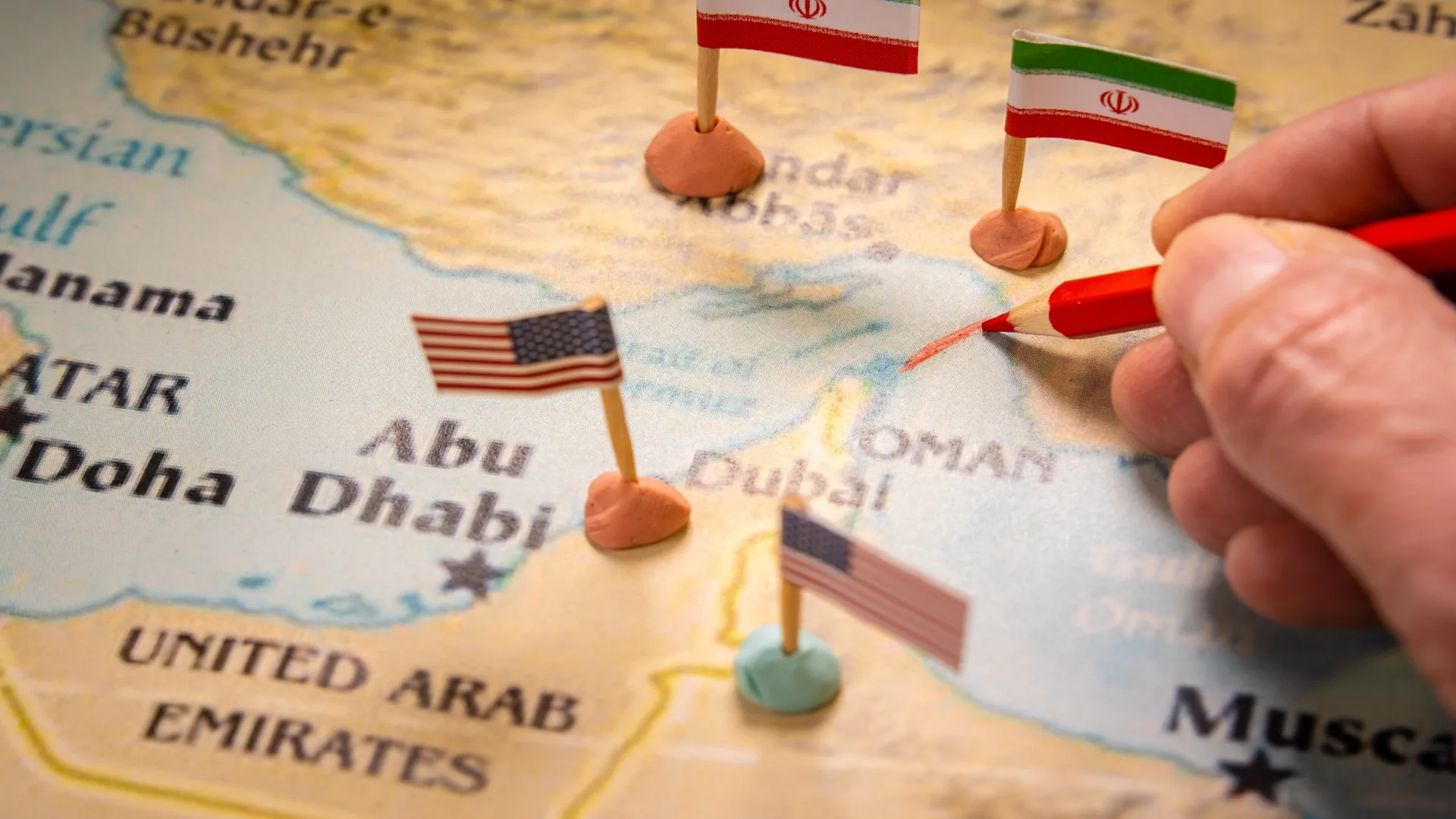
Amid growing geopolitical uncertainty, oil prices are once again at the center of global analysis. JP Morgan warns that crude could climb to $150 per barrel if disruptions in the Strait of Hormuz extend into mid-May.
At present, the market already reflects strong upward pressure. In short-term scenarios, the bank estimates that prices could range between $120 and $130 per barrel, driven by supply constraints.
A critical point for energy supply
The Strait of Hormuz represents a key artery for global oil trade, through which nearly 20% of global crude passes, making any disruption a determining factor for the energy market.
In addition, the escalation of the conflict between the United States and Iran adds further uncertainty. Recent statements by President Donald Trump, confirming the continuation of attacks, have increased price volatility.
JP Morgan scenarios for the crude oil market
According to the bank’s analysis, the base case envisages a negotiated resolution after a period of tension. In this context, the oil price would remain above $100 during the second quarter.
Likewise, prices are expected to begin to moderate in the second half of 2026. This adjustment would be linked to a partial reopening of the Strait of Hormuz and the recovery of global inventories.
Economic risks of expensive oil
However, the impact of a sustained increase in oil prices could go beyond the energy sector. JP Morgan warns that a prolonged shock would raise the risk of a global economic slowdown.
In particular, higher crude prices could affect demand, increase inflation, and push economies toward a recession scenario.
Outlook: volatility and geopolitical dependence
For now, the evolution of oil prices will depend on the duration of the conflict and the ability to restore supply flows. The combination of geopolitical tensions and inventory levels will be key to defining the market’s direction in the coming months.
Consequently, investors and energy-sector stakeholders are closely monitoring any sign pointing to either a de-escalation or an intensification of the conflict in the region.
Source: Reuters