
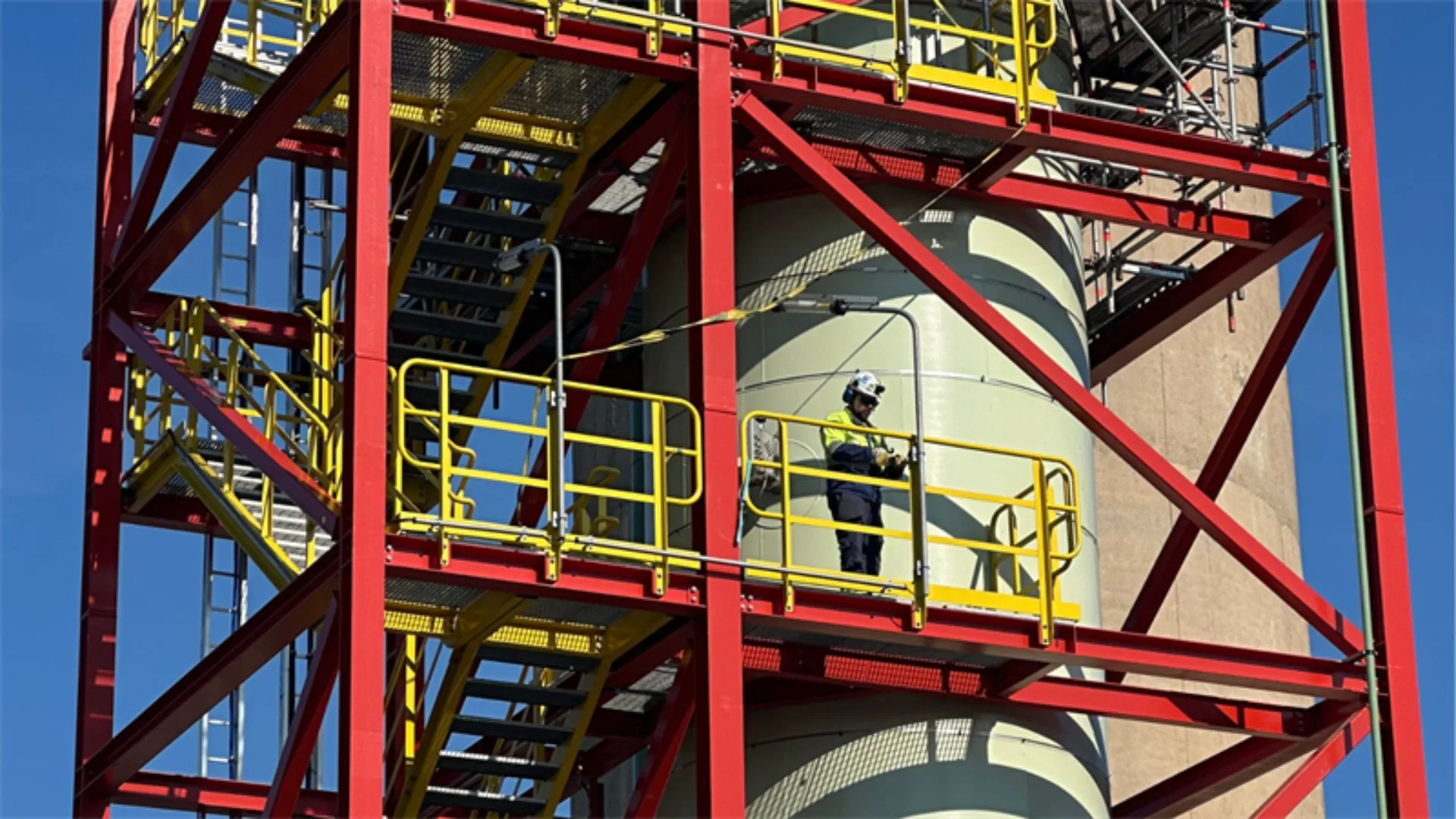
In a key step toward valorizing plastic waste, Neste has started up a new facility at its Porvoo refinery in Finland, designed to process hard-to-recycle plastics at industrial scale.
A facility to scale up chemical recycling
The Finnish company has invested around €111 million in this infrastructure, which will make it possible to convert complex plastic waste into feedstocks suitable for the petrochemical industry.
Specifically, the plant is designed to handle up to 150,000 tonnes per year of liquefied plastic waste, positioning it as one of the largest facilities of its kind worldwide.
Likewise, the process is based on treating oils derived from pyrolysis, sourced from waste streams that cannot be recycled using traditional mechanical methods.
Technology for complex plastic waste
One of the most relevant aspects of the facility is its ability to process materials such as multilayer plastics, mixed waste, or contaminated waste.
This type of waste often ends up in landfills or incineration. However, through chemical recycling, it can be converted into recycled feedstock for the production of new plastics and chemicals.
In this way, the company aims to close the plastics loop within a more efficient circular economy model.
Impact on emissions and resource use
According to company data, using recycled raw materials can cut fossil resource consumption by more than 70% and reduce greenhouse gas emissions by more than 35% compared with traditional alternatives.
In addition, integrating these materials into existing refining processes makes it possible to maintain the quality standards required by the petrochemical industry.
Regulatory challenges in Europe
Despite the technological progress, the company has noted that the European regulatory framework still has limitations.
In particular, the current rules for calculating recycled content could hinder the adoption of these types of solutions at scale, affecting the sector’s competitiveness in the region.
For this reason, there is a need to adapt the regulations to include refineries within recycling schemes in the context of packaging and waste regulation.
A step toward a circular plastics economy
With this new facility, Neste strengthens its advanced recycling strategy and positions chemical recycling as a complementary route to mechanical recycling.
As a result, the petrochemical industry is moving toward more sustainable models, capable of leveraging complex waste and reducing dependence on virgin raw materials.
Source and photo: Neste