
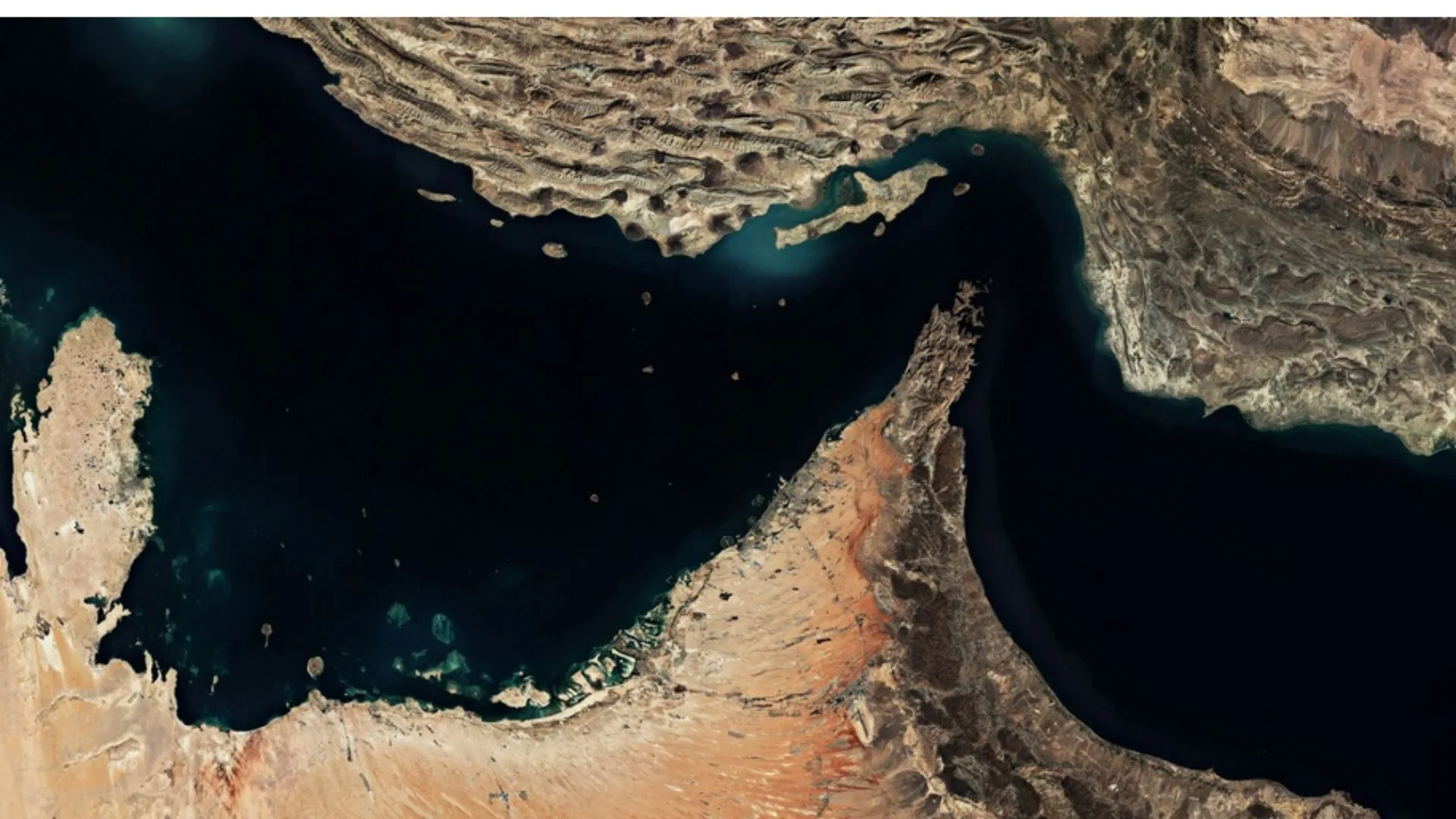
The Strait of Hormuz remains under strict Iranian control, although Malaysia has managed to secure toll-free transit for its oil tankers amid a major disruption in energy trade.
Selective transit in a key oil route
Amid the regional conflict, Iran has confirmed that Malaysian tankers can cross the Strait of Hormuz without paying fees, a move that contrasts with the general policy of restrictions on maritime traffic.
According to Malaysian authorities, the exemption is a result of diplomatic relations between the two countries. Likewise, the permit has been applied to a limited group of vessels, evidencing selective control of the energy corridor.
The Strait of Hormuz is considered one of the most critical points for global oil and gas transport. Nearly one-fifth of the global hydrocarbon supply passes through this route.
Historic drop in maritime traffic
The impact of the conflict has been immediate. The number of vessels crossing the strait daily has dropped drastically, from over 100 vessels to fewer than 10.
Currently, transit is mainly limited to strategic shipments destined for countries such as China, India, and Pakistan, in addition to Iranian exports.
Maritime intelligence firms have noted that passage remains highly restricted, with specific authorizations under the supervision of the Islamic Revolutionary Guard Corps.
Tolls and geopolitical control of the strait
In parallel, the Iranian Parliament has moved forward with the approval of a toll system for vessels wishing to cross this route.
However, the application of this measure is not uniform. Some countries considered allies have received preferential treatment, introducing a geopolitical component into the management of maritime transit.
This strategy allows Iran to keep its exports active from terminals such as Kharg Island, while limiting access to competitors or adversary countries.
Impact on the global energy market
The restriction of the Strait of Hormuz is creating tensions in the international energy market. The reduction in maritime flow affects both the crude oil supply and refined products.
Furthermore, the increased risk in the area could translate into higher logistics costs and pressure on oil prices.
In this context, the exemption granted to Malaysia reflects how diplomatic relations directly influence access to strategic routes at a time when control over energy transport has become a key factor in global balance.
Source: Oil Price