
Performance-based incentives redefine US nuclear investment
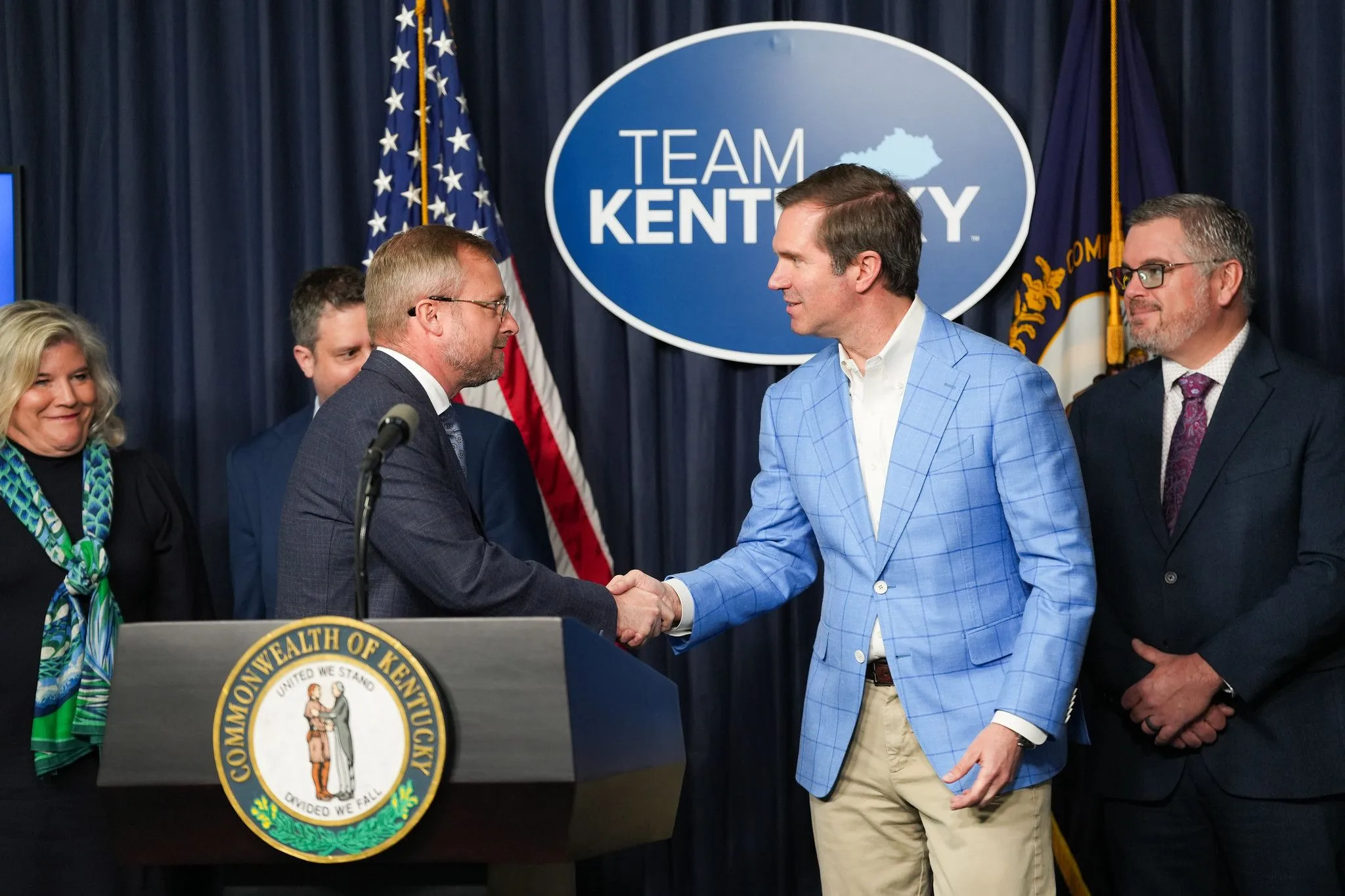
Global Laser Enrichment (GLE) has secured an incentive package of up to $98.9 million from the state of Kentucky and McCracken County to develop the laser enrichment plant in Paducah.
This scheme is contingent upon meeting investment and employment targets, introducing a risk-sharing approach uncommon in nuclear projects.
The most relevant and differentiating factor is not just the amount, but its nature: “performance-based” incentives. This means that the flow of tax benefits will depend directly on technical and economic milestones, aligning project execution with measurable results.
From a techno-financial perspective, this model mitigates public sector exposure while accelerating the deployment of critical infrastructure. In the context of the American nuclear resurgence, these types of instruments could become the standard for capital-intensive and advanced technology projects.
Laser technology: a disruptive leap over centrifugation
The PLEF plant is based on laser enrichment technology, considered one of the most advanced within the nuclear fuel cycle. Unlike gas centrifugation, this method allows for more efficient isotopic separation through selective excitation of uranium.
The determining factor is the ability to significantly reduce energy consumption per separative work unit (SWU). This positions laser enrichment as a potentially more competitive alternative to dominant technologies in markets such as Russia or Europe.
Furthermore, GLE has reached a TRL-7+ technology readiness level, indicating validation in a relevant operating environment. This considerably reduces technological risk, one of the main historical bottlenecks in the adoption of new nuclear technologies.
Revaluation of DOE depleted uranium fraction
The most striking element from a technical standpoint is the reuse of depleted uranium tails stored by the U.S. Department of Energy. These tails, traditionally considered waste, contain recoverable fractions of fissile material.
GLE plans to re-enrich this inventory starting in 2030, transforming an environmental liability into an energy asset. This approach introduces a circular economy logic within the nuclear cycle, something uncommon in this industry.
The impact is twofold: on one hand, it reduces the need for primary mining and conversion; on the other, it accelerates the cleanup of legacy sites, lowering long-term remediation costs. Technically, this redefines the management of the U.S. strategic nuclear inventory.
Paducah: reactivating the American nuclear hub
The choice of Paducah is not accidental. This city was historically a key node thanks to the former gaseous diffusion plant, providing it with infrastructure, technical knowledge, and specialized human capital.
The project envisions the creation of approximately 240 highly skilled jobs, reinforcing the local value chain. But beyond the economic impact, the true value lies in repositioning the region within the global nuclear map.
From a systemic approach, the PLEF will contribute to rebuilding the domestic enrichment supply chain, reducing dependence on imports.
In a geopolitical scenario where nuclear fuel supply is strategic, this project takes on a critical dimension for United States energy security.
Source: https://www.gle-us.com/news/
Photos: https://www.linkedin.com/posts/global-laser-enrichment_teamkentucky