
Germany has unveiled a new climate plan aimed at accelerating emissions reductions and reducing its dependence on fossil fuels, against a backdrop of global energy volatility.
Backed by an €8 billion investment, the program is part of the government’s strategy to meet its 2030 climate targets and move toward climate neutrality by 2045.
Germany’s climate plan and its 2030 targets
Currently, Europe’s largest economy has cut its emissions by 48% compared with 1990 levels. However, this figure is still below the 65% target set for 2030, raising concerns among analysts and independent bodies.
In addition, the plan comes amid an uncertain energy landscape, with high prices and supply risks for oil and gas—factors that have increased the urgency to accelerate the energy transition.
Key measures in renewables, mobility, and efficiency
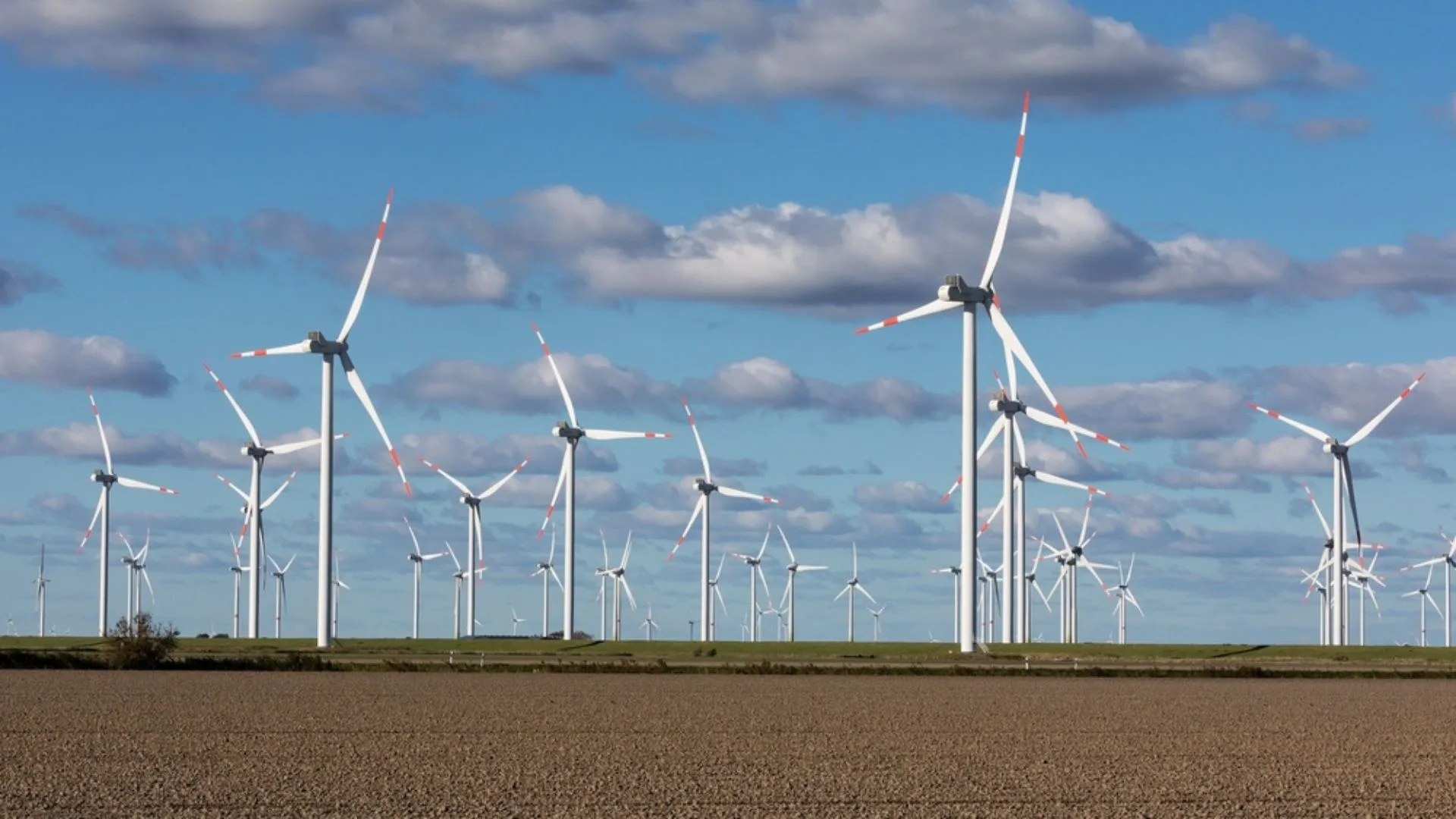
The program includes 67 measures targeting different strategic sectors. Key actions include expanding onshore wind power capacity by 12 GW, providing a significant boost to renewable generation.
It also includes incentives to encourage the adoption of electric vehicles through subsidies aimed at different income levels. The goal is to make this technology more accessible and reduce consumption of conventional fuels.
In parallel, the government plans to strengthen charging infrastructure and maintain investments in building energy efficiency, as well as in modernizing heating systems.
Expected impact on emissions and energy consumption
According to official estimates, the measures will cut more than 25 million tonnes of CO2 before the end of the decade. A significant decrease in natural gas and gasoline consumption is also expected.
In addition, the plan includes investments of around €2.9 billion to support industry in adopting low-carbon technologies, including process electrification and carbon capture.
Criticism and doubts about its scope
Despite the program’s scope, various environmental organizations and experts have questioned its effectiveness. Some initial assessments suggest the measures may not be sufficient to ensure compliance with climate targets.
Criticism focuses on reliance on subsidies and the lack of more decisive action in sectors such as transport and buildings, considered key to achieving sustained emissions reductions.
Source: Reuters