
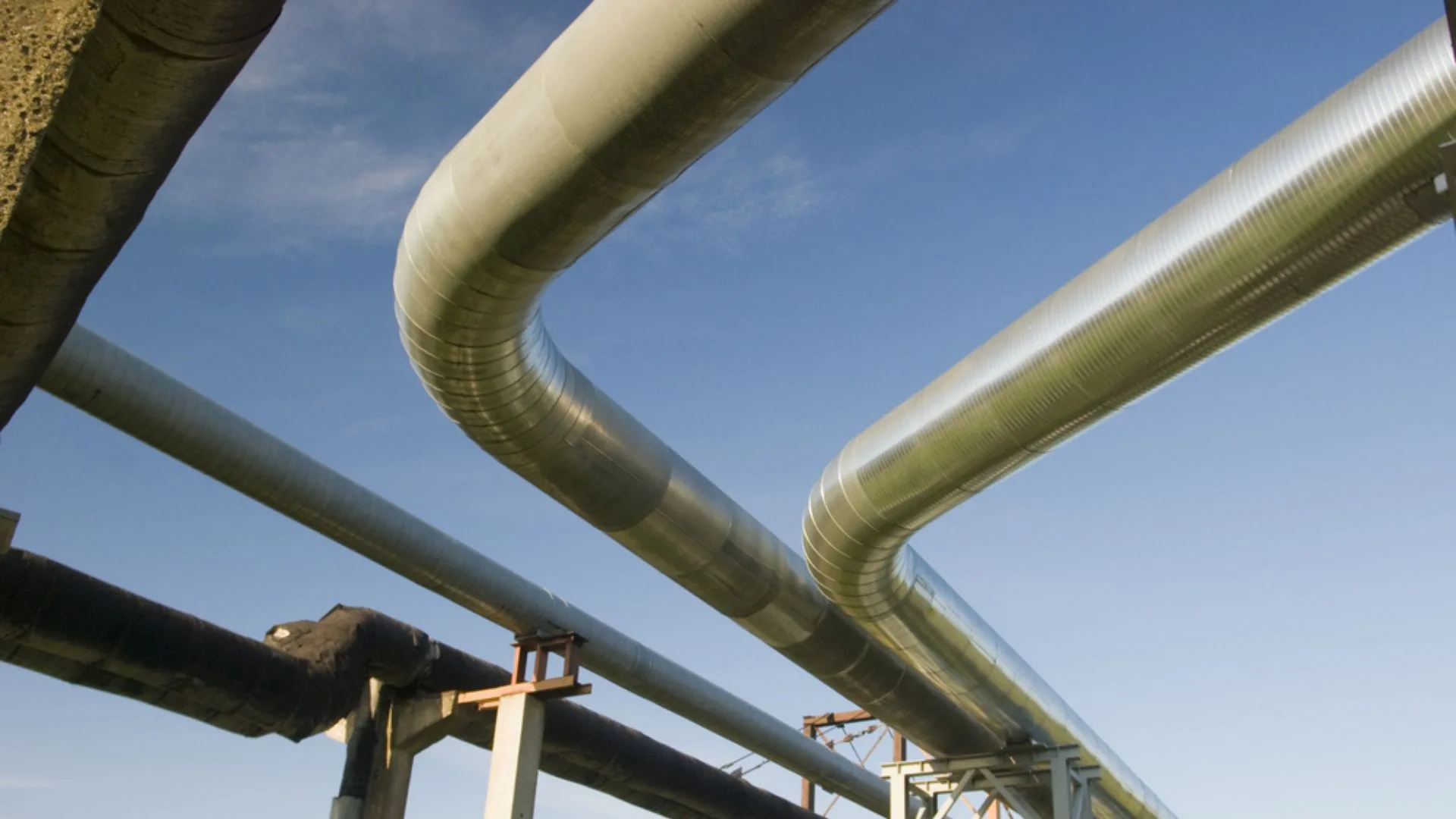
The Colonial Pipeline system has resumed operations on its main gasoline transport line to the US East Coast after repairing damage caused by third-party drilling equipment in Georgia.
The incident occurred in Paulding County and affected Line 1, considered the most important artery for the gasoline supply from the Gulf Coast to markets in the eastern part of the country. The company confirmed that repairs were completed within a few days and service was restored without prolonged interruptions.
A critical axis for US gasoline supply
Colonial Pipeline’s Line 1 transports approximately 1.5 million barrels of gasoline per day from Houston to Greensboro, North Carolina. From that point, the fuel is distributed to multiple regional markets, including major urban centers such as New York.
Due to its capacity and reach, this energy infrastructure is key to the fuel supply in a region that structurally depends on pipeline shipments.
Key pipeline: third-party damage and operational vulnerability
According to available information, the damage was caused by well-drilling equipment contracted by a third party. This type of incident highlights the exposure of the pipeline network to external risks, even when they are not directly related to the system’s operation.
Furthermore, the event reopens the debate on the security of energy infrastructure in the United States, especially in areas where multiple industrial activities converge.
Impact on an already strained market
The interruption occurred at a sensitive time for the fuel market. Gasoline prices in the United States have recently exceeded $4 per gallon, driven by geopolitical tensions and supply constraints.
In this context, any disruption to the country’s main refined product transport system generates concern among market operators and consumers.
Although the rapid reactivation of the pipeline has reduced the immediate risk of shortages, the episode highlights the fragility of the system in the face of unplanned interruptions.
Source: Oil Price
Photo: Shutterstock