
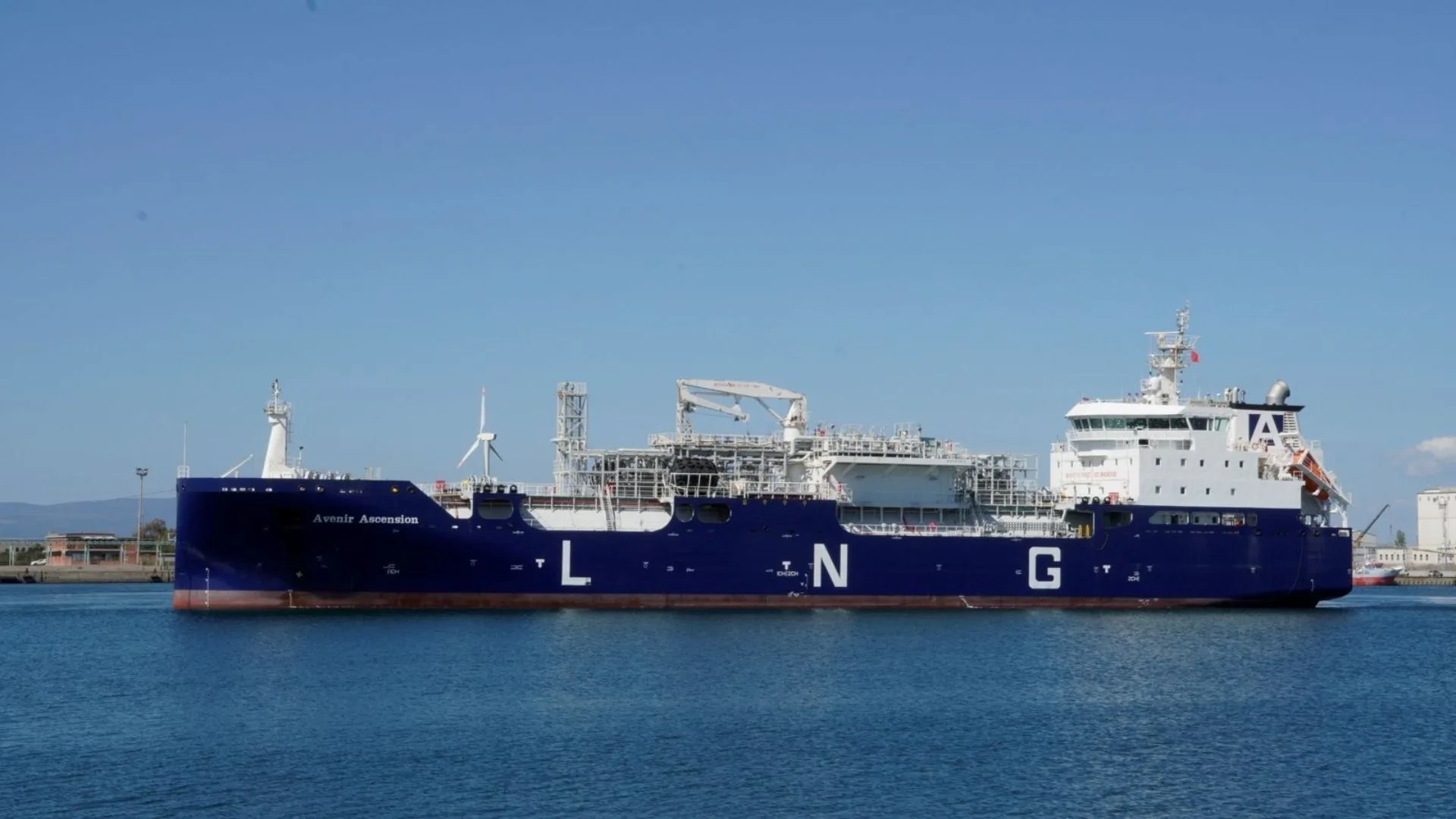
Anew Climate and Avenir completed their first joint bio-LNG supply transaction in Europe with a delivery to the LNG terminal terminal at the port of Klaipėda in Lithuania. The fuel was subsequently transferred to Sweden for use in vessels operated by Destination Gotland.
During the operation, Anew Climate provided certified bio-LNG produced from waste while Avenir executed the marine logistics with the vessel Avenir Ascension, a 7,500 m³ unit integrated into its LNG and bio-LNG bunkering fleet.
The cargo departed from Klaipėda, a facility operated by KN Energies, and was shipped to Sweden to support Destination Gotland in its goals of emissions reduction targets..
The deal also marks Anew Climate’s debut in the European supply of bio-LNG. The company had already developed similar initiatives in North America and is now extending that experience to the European market with a supply chain focused on traceability, certification and compatibility with existing infrastructure.
Bio-LNG is gaining ground in maritime decarbonization
The move has relevance beyond a single delivery. The bio-LNG supplied by Anew comes from a diversified biomethane portfolio and, according to information provided by the companies, was optimized to achieve negative carbon intensity throughout the life cycle.
In addition, it meets the regulatory criteria of FuelEU Maritime and RED III, two frameworks that are increasing pressure on shipping companies and shipowners to reduce the life-cycle emissions of their fuels.
In parallel, one of the main advantages of liquefied biomethane is its ability to be integrated into the LNG infrastructure already deployed. This makes it possible to cut emissions without requiring structural modifications to vessels or bunkering systems, a condition that is particularly valued in a market that needs solutions applicable in the short term.
Anew and Avenir strengthen a value chain for shipowners
The alliance combines two complementary capabilities. On the one hand, Anew Climate brings expertise in biomethane aggregation, environmental certification and regulatory compliance. On the other, Avenir adds a consolidated fleet, operational experience in bunkering and a network of customers in the maritime and industrial sectors.
This fit allows us to offer shipowners a practical solution for advancing their decarbonization plans without disrupting operations. It also improves responsiveness to increasingly demanding regulations in Europe and to evolving frameworks driven by the International Maritime Organization.
John Cosmo Dwelle, CEO of Anew Climate Europe, noted that the transition to more sustainable shipping is already happening and stated that the cooperation with Avenir enables the deployment of fully certified, flexible and compliant bio-LNG supply chains.
Jonathan Quinn, CEO of Avenir, stressed that bio-LNG has a key role to play in reducing emissions from today’s shipping and added that this transaction strengthens the company’s ability to supply traceable and reliable fuel to its customers.
Another relevant piece of information is that Destination Gotland confirmed that it will increase the use of Bio-LNG this year to support FuelEU Maritime compliance on vessels that need support to meet greenhouse gas regulatory criteria through fuel pooling mechanisms.
The operation also confirms the Baltic region’s growing weight in the deployment of lower carbon footprint marine fuels. The Avenir Ascension conducts more than 200 operations a year in northwest Europe and supplies LNG and bio-LNG to marine and industrial customers, mostly in the Baltic region. Such an operational base brings scale and continuity to this type of initiative.
In addition, Anew’s new move into Europe comes after the company completed its first bio-LNG cargo at the Port of Long Beach in October 2025 in conjunction with Seaspan Energy. In doing so, the company begins to link operations in North America and Europe as part of a broader strategy to develop global bio-LNG supply chains.
Source and photo: Anew Climate