
Copper interconnection for greater efficiency
AIKO has incorporated a patented copper interconnection into its new generation of ABC solar modules, integrated into the Stellar 3N+72 model aimed at the commercial and industrial segment.
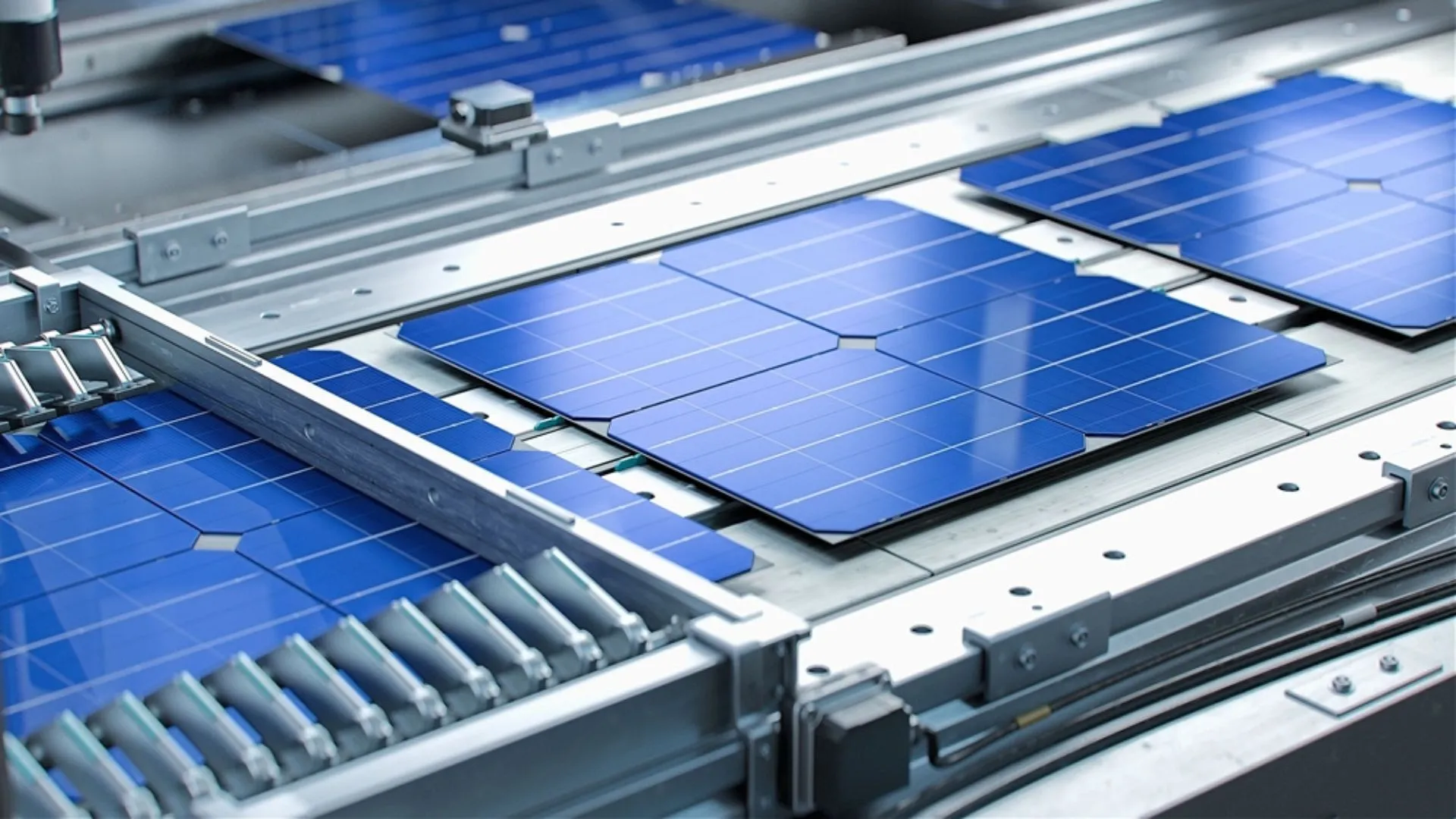
This innovation replaces the traditional silver paste used in cell metallization with copper, a material with higher electrical conductivity, greater availability, and lower price volatility.
Aiko’s copper interconnection technology is integrated into the Stellar 3N+72 module, specifically designed for commercial and industrial applications that demand high power density and reliability.
The objective is to simultaneously improve the energy efficiency of the modules and the resilience of the photovoltaic supply chain in a rapidly expanding European market.
Energy performance in photovoltaic projects
From an electrical standpoint, the resistivity of pure copper is 1.7 μΩ·cm, compared to approximately 5 μΩ·cm for silver pastes that incorporate glass and binders.
This lower resistance translates into more efficient current collection and better performance under high irradiation or elevated temperatures, common conditions on C&I rooftops.
Furthermore, electrolytic copper coating does not require high-temperature firing, reducing thermal stress on the silicon wafer. The result is a cleaner cell with higher initial efficiency and a longer operational lifespan.
Greater mechanical resistance and fewer microcracks
The adoption of copper also brings a significant improvement in the module’s mechanical resistance to impacts and tensile stress. By eliminating the sintering process associated with conventional metal pastes, the risk of wafer damage during manufacturing is reduced, which is one of the origins of microcracks in the field.
The busbars and fingers are thin metallic lines, made entirely of copper and printed on the solar cells to collect and transport the generated electrical current. These lines allow for more robust solder joints, with tensile strengths exceeding 5 N, surpassing traditional silver-copper interfaces.
This structural robustness translates into better performance against mechanical stress, vibrations, hail, or wind loads, critical factors on industrial rooftops and floating plants.
Comparative tests have shown that Aiko’s ABC modules with copper interconnection exhibit lower power losses after impacts than TOPCon-based modules under equivalent conditions.
Aiko: More value for commercial and industrial projects.
According to the manufacturer’s estimates, in projects with the same CAPEX per module, systems based on ABC technology can generate up to 5.6% more revenue over 30 years, which can translate into up to an additional 156,000 euros per installation.
This differential comes from both increased production and the reduction of incidents associated with microcracks and premature failures.
The module also incorporates optimization against partial shading, capable of producing up to 30% more electricity than traditional modules under the same conditions, by limiting the impact of shading on a single module within the string.
In addition, it features certified high hail resistance, IEC Class A fire safety certification, and a Back Contact (BC) architecture that improves light capture.
Source: https://aikosolar.com/
Photo: Shutterstock