
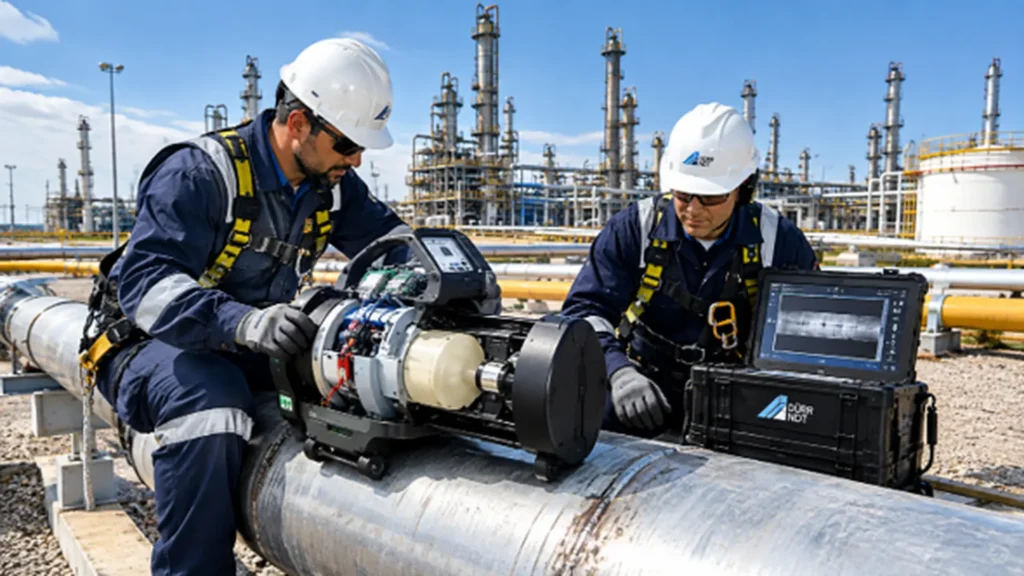
Fine defects in welds: Computed radiography with HD-CR 35 NDT
Computed radiography using the HD-CR 35 NDT scanner ensures the detection of fine defects in welds in accordance with ISO 17636-2 and ASTM E2445.
Computed radiography using the HD-CR 35 NDT scanner ensures the detection of fine defects in welds in accordance with ISO 17636-2 and ASTM E2445.
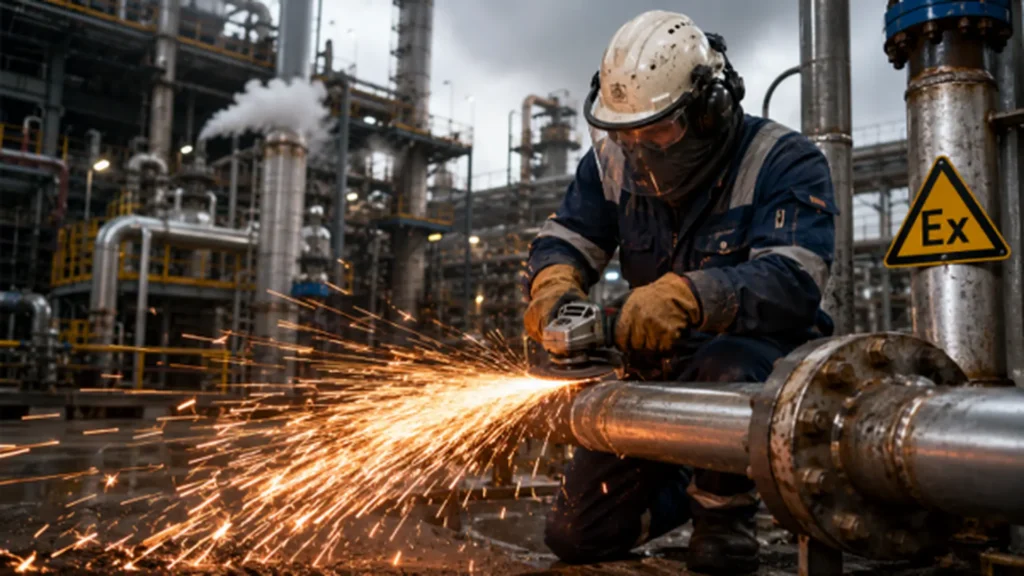
In explosive atmospheres, a simple spark is fatal. Learn how non sparking tools protect workers during hazardous maintenance.
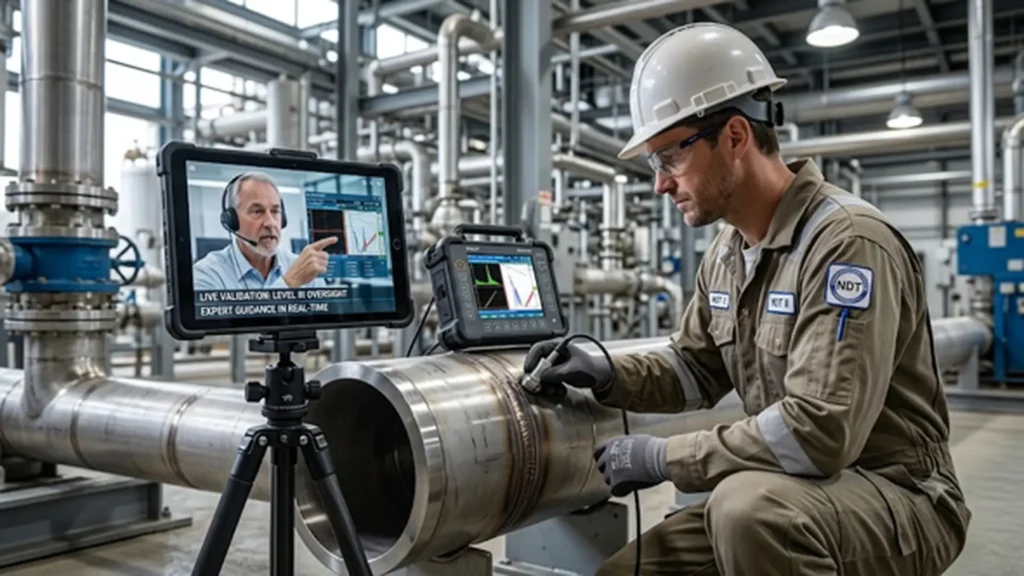
Optimize mechanical integrity in the absence of Level III NDT technicians through secure remote collaboration.
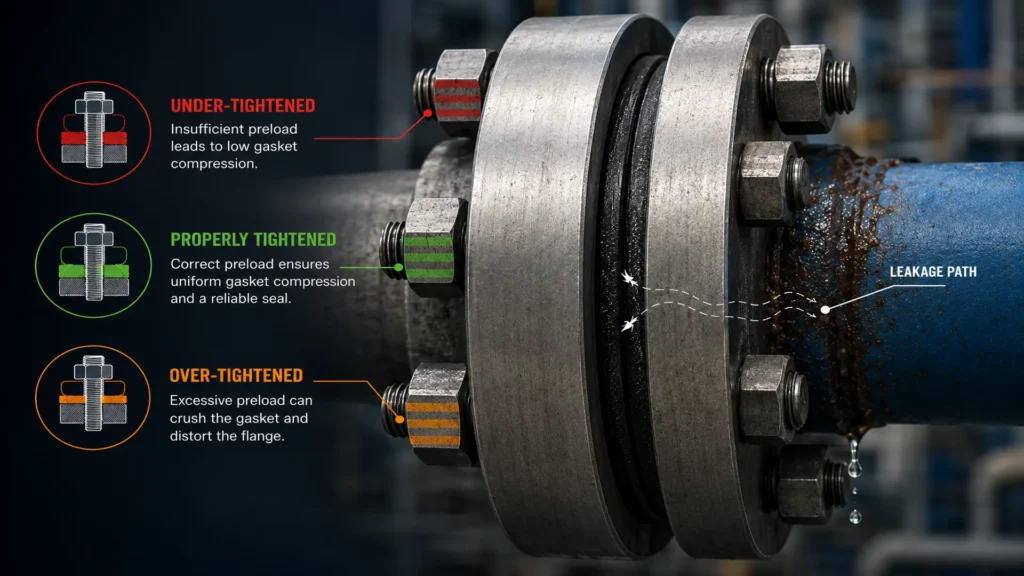
Leaks in flanged joints are often attributed to gasket deterioration, but the root cause is usually an uneven load distribution across the bolts.
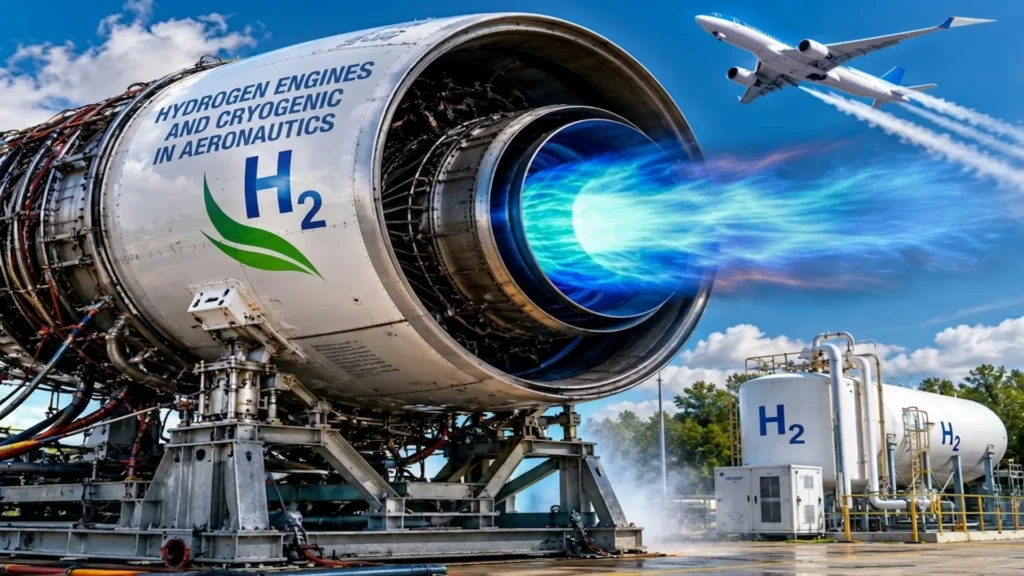
Implementing hydrogen engines is the most viable pathway to decarbonize commercial aviation. However, its technical and industrial success hinges on solving complex storage and thermal management challenges at cryogenic temperatures.
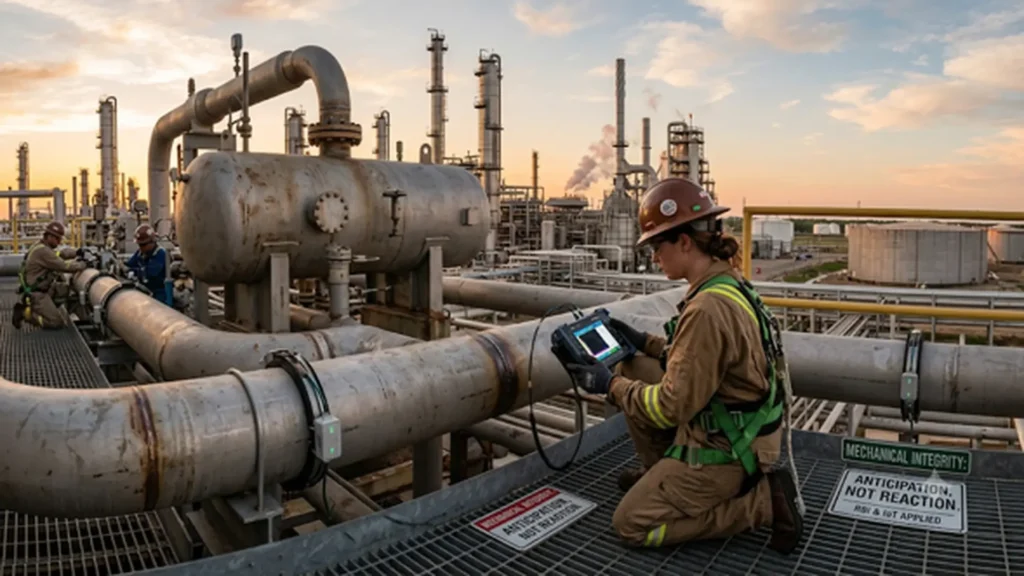
Industrial failures such as Chevron Richmond and Ashland reshaped mechanical integrity, driving better inspection practices and risk management.
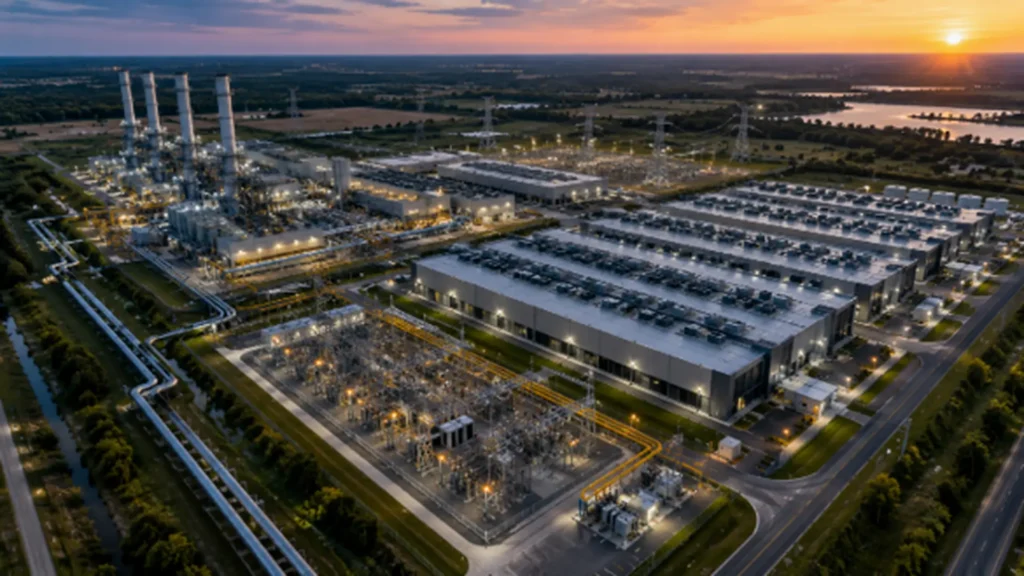
Discover how the growth of artificial intelligence and data centers is driving up electricity demand and signaling the return of natural gas.
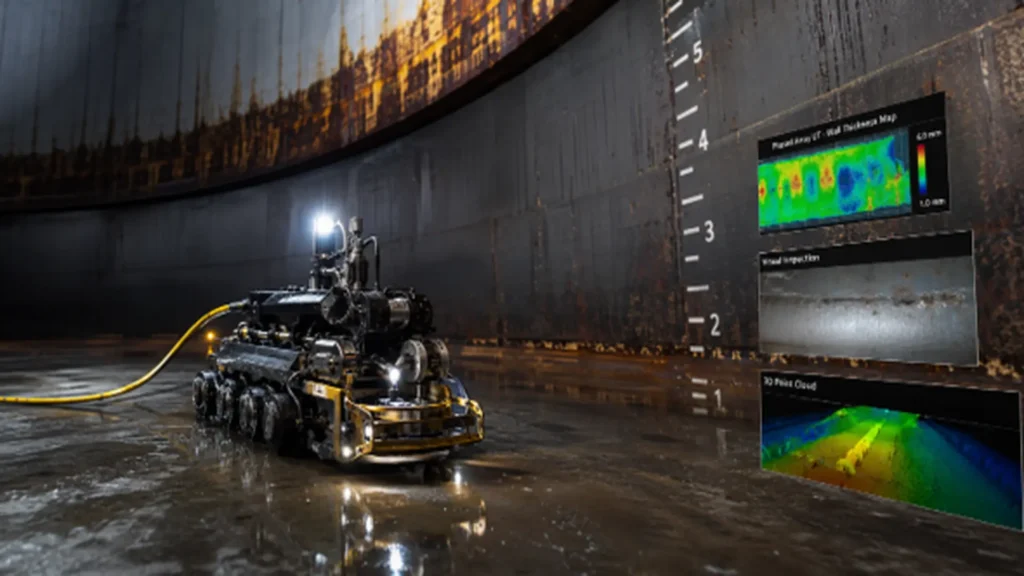
Tank inspection has evolved toward robotic systems that assess the actual condition of the asset without interrupting operations.
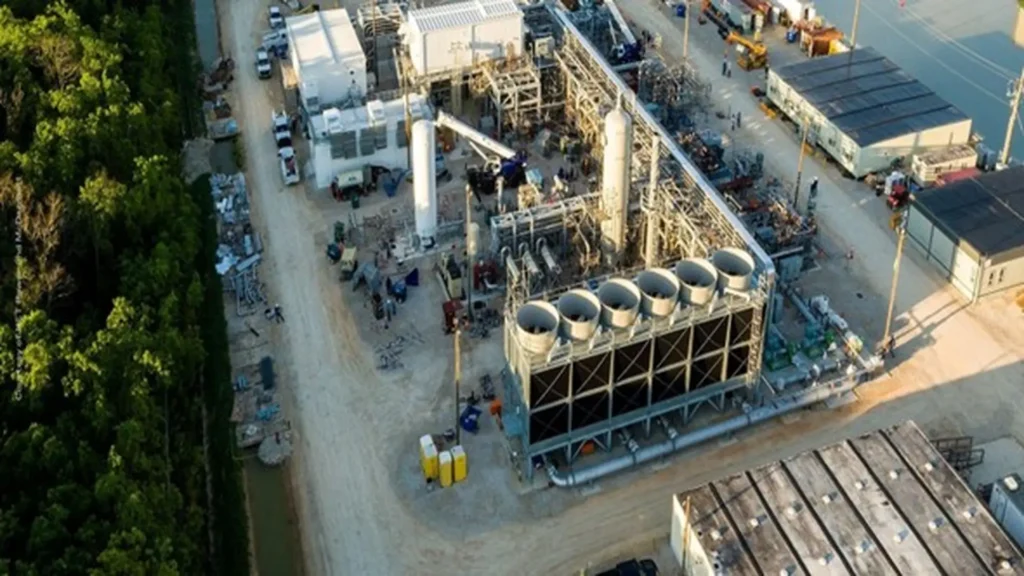
Carbon Capture and Storage (CCS) facilities capture CO₂ emissions from industrial processes and store them permanently underground.
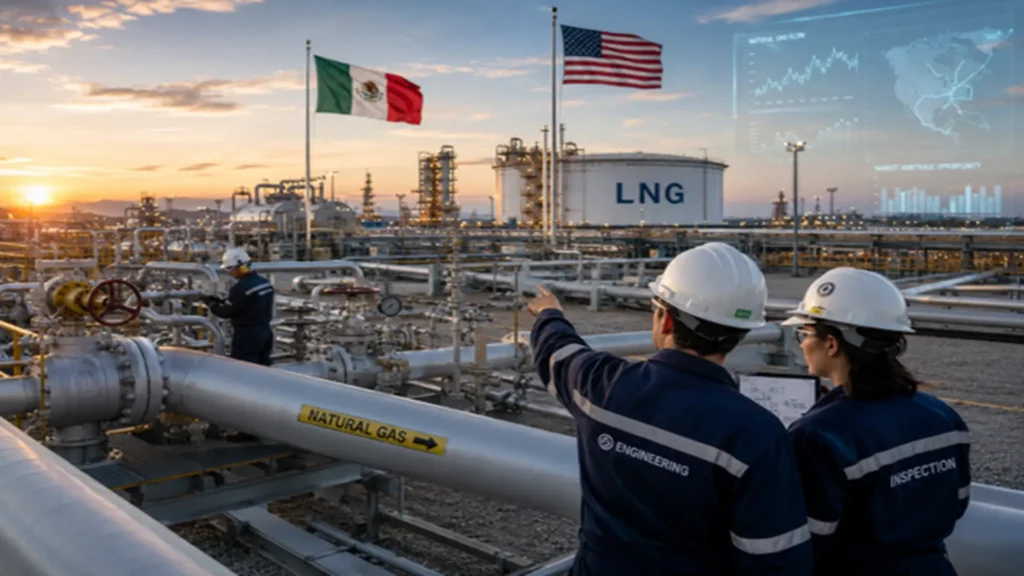
Natural gas requires commercial flexibility and binational arbitrage, relying on midstream infrastructure to build more resilient and competitive energy systems.
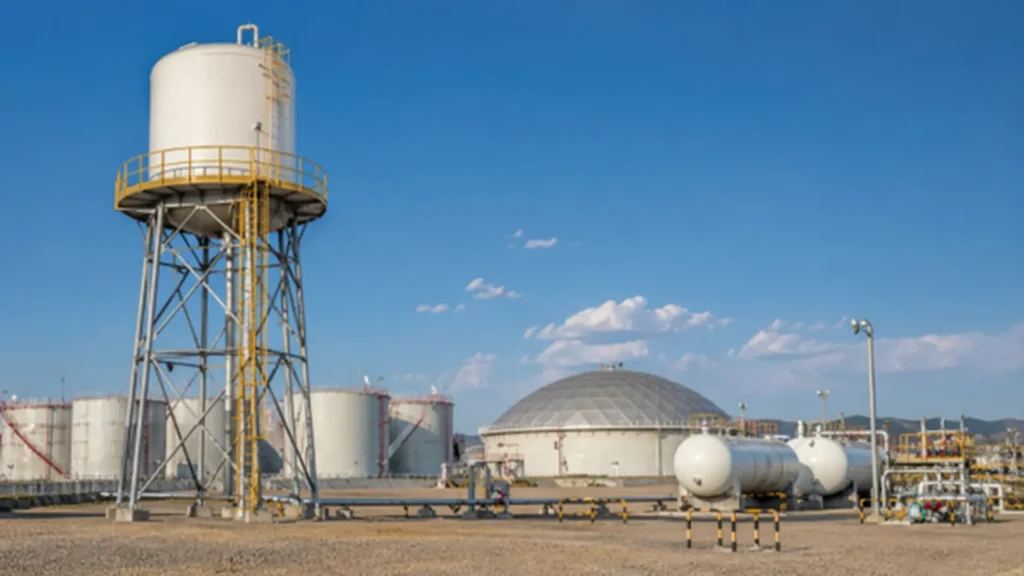
Storage tanks integrity demands design analysis, inspection, and monitoring to prevent critical failures.
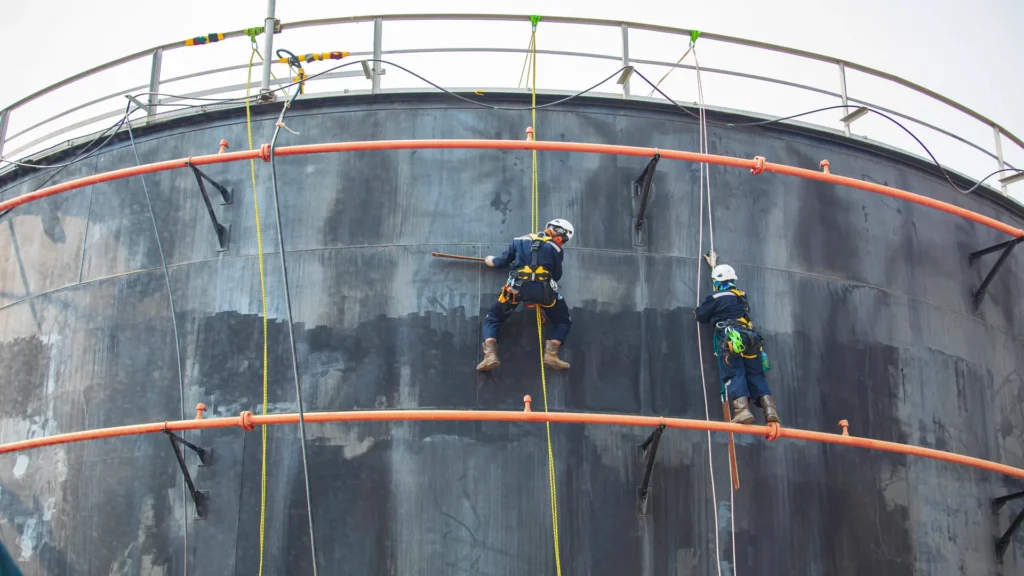
Traffic Film Remover in AST tanks enhances cleaning, reduces contaminants and supports integrity and service life.