

Airbus to lead the conceptual study for NATO’s next helicopters
Airbus Helicopters will lead the design study of next-generation helicopters, ensuring that they are fully interoperable with NATO systems.

I am a civil engineer and I work in the writing area. I have a deep passion for civil works. I constantly seek to update myself on new engineering technologies to integrate them into my work, since my main interest is exploring how innovations in the industrial sector can improve and transform the world.
Airbus Helicopters will lead the design study of next-generation helicopters, ensuring that they are fully interoperable with NATO systems.
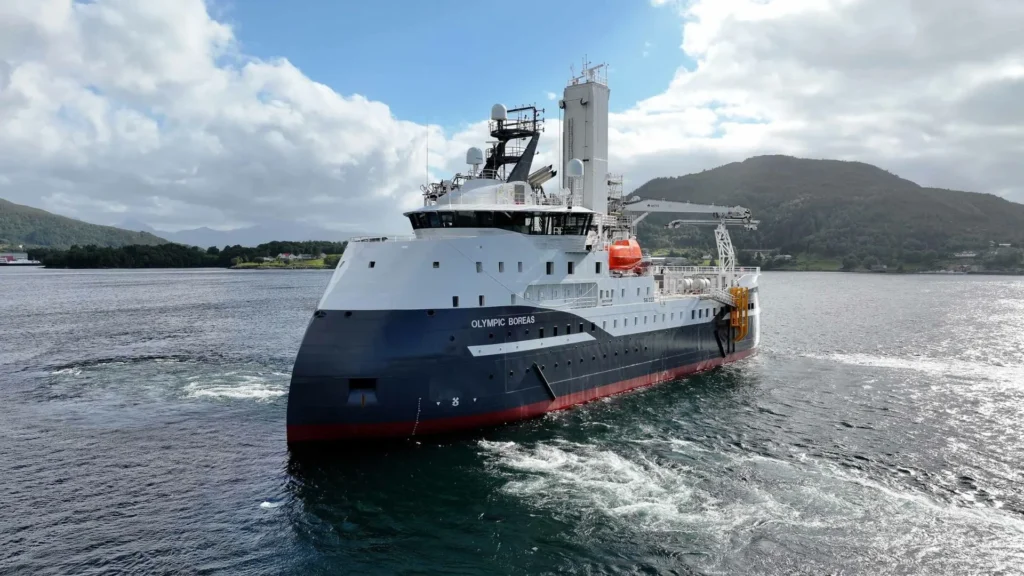
The Olympic Boreas can operate with methanol as fuel, aiming for zero emissions in its future operations.
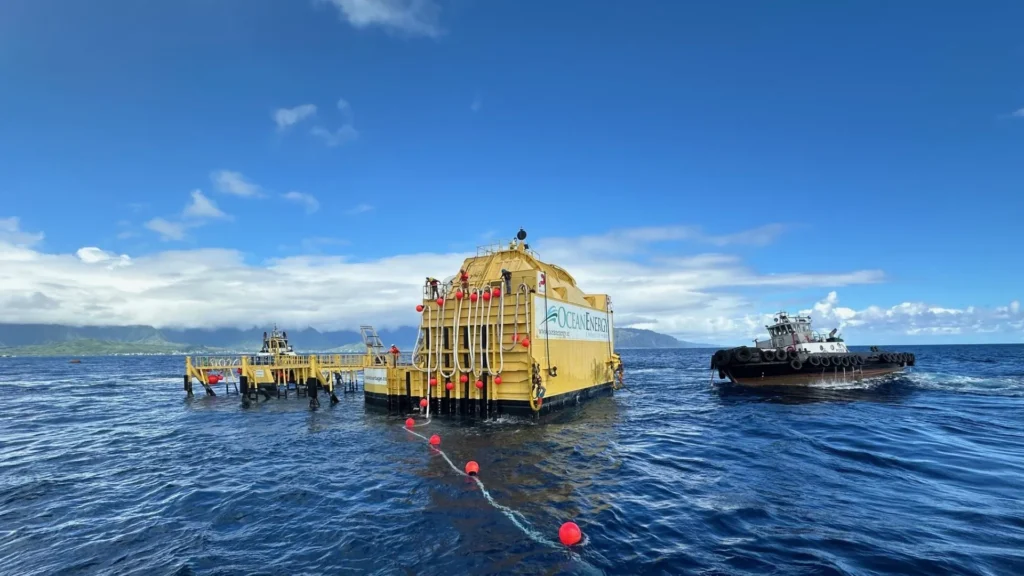
Ocean Energy USA's OE-35 device has a power production capacity of up to 1.25 MW.
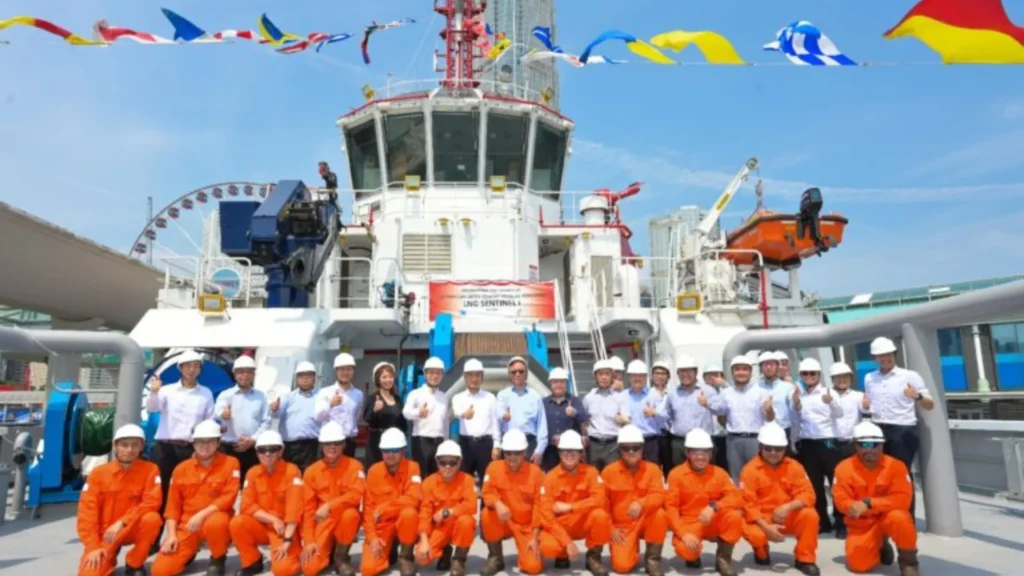
These tugs are the first locally licensed tugs in Hong Kong equipped with dual-fuel LNG engines, marking a milestone in the region's maritime industry.

The first phase of the Cabinda refinery will cover 10% of Angola's domestic fuel market before doubling its capacity.

The PEM technology used in the Siemens Energy electrolyzer is especially efficient with renewable energies due to its flexible start-up times.

The Rijeka terminal will be the only one in its region with remotely operated cranes and mostly electric equipment.
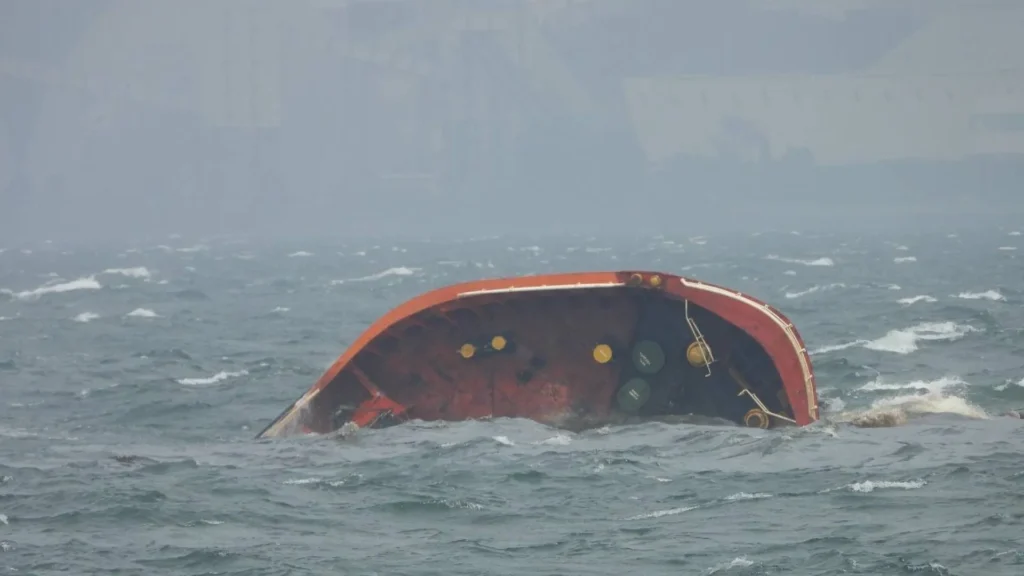
The sunken tanker is only 34 meters deep, which facilitates the operation to remove the spilled oil.
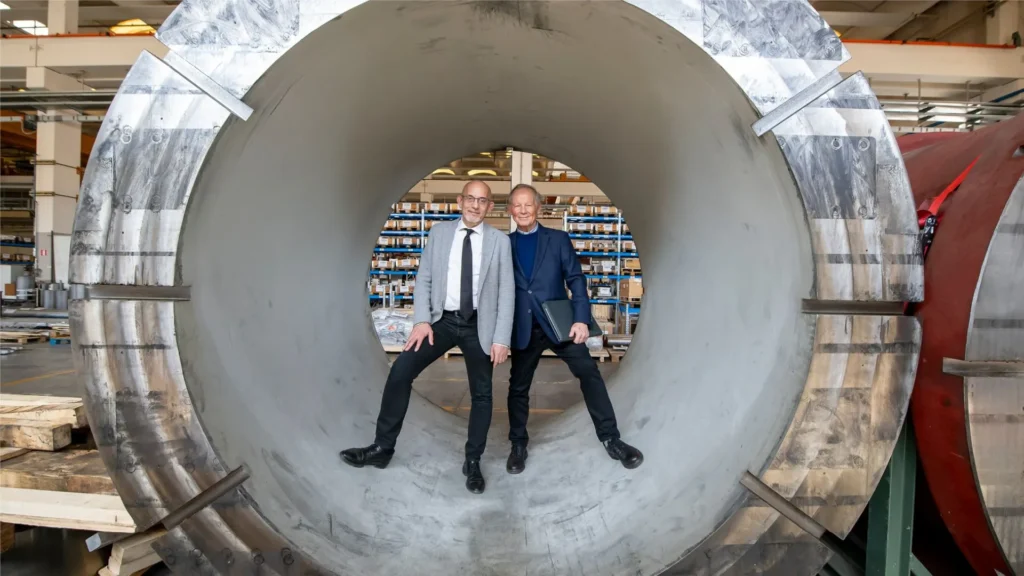
This machine can produce 500 castings in three eight-hour shifts.

The Lanuza reservoir, site of the Pirineos Sur Festival, would be affected by the royal decree, turning its landscape into a "black spot" of photovoltaic panels.
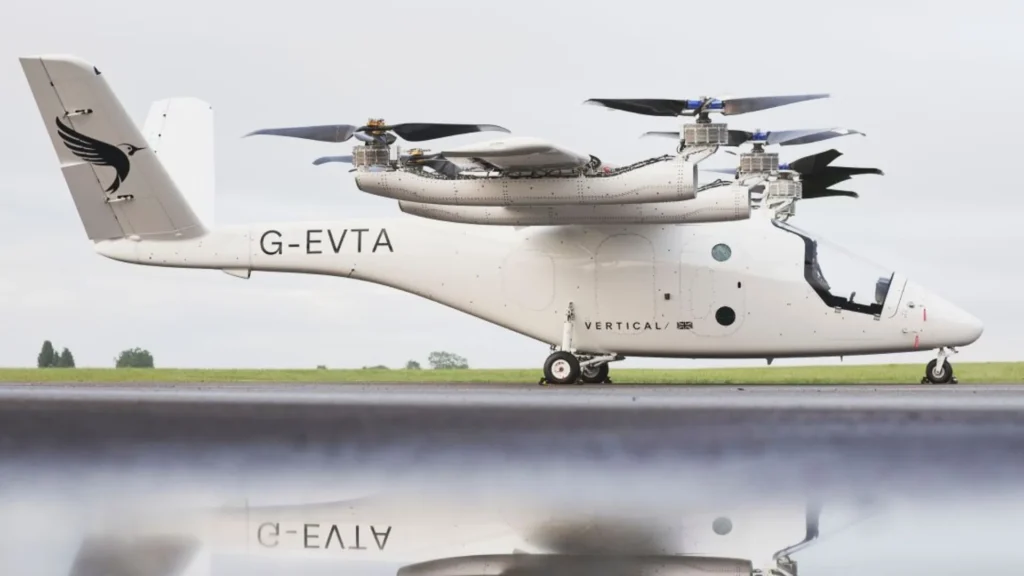
The VX4 has proven to be 20% more powerful than its previous version, enabling it to reach a cruising speed of 240 km/h (150 mph).

The most striking fact is the investment of $150,000 and the execution of 10 RC drill holes by Macro Metals, which reflects a serious commitment to the development of the manganese tenements.