
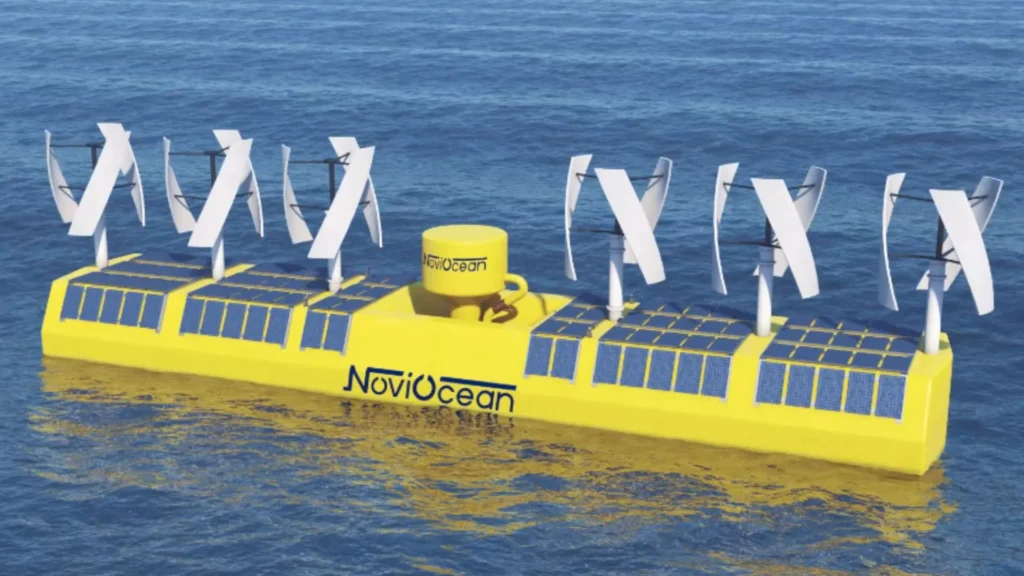
Novige seeks financing for its NoviOcean hybrid energy system
NoviOcean can generate up to 25 MW of energy in just one square kilometer by combining waves and wind.

I am a civil engineer and I work in the writing area. I have a deep passion for civil works. I constantly seek to update myself on new engineering technologies to integrate them into my work, since my main interest is exploring how innovations in the industrial sector can improve and transform the world.
NoviOcean can generate up to 25 MW of energy in just one square kilometer by combining waves and wind.
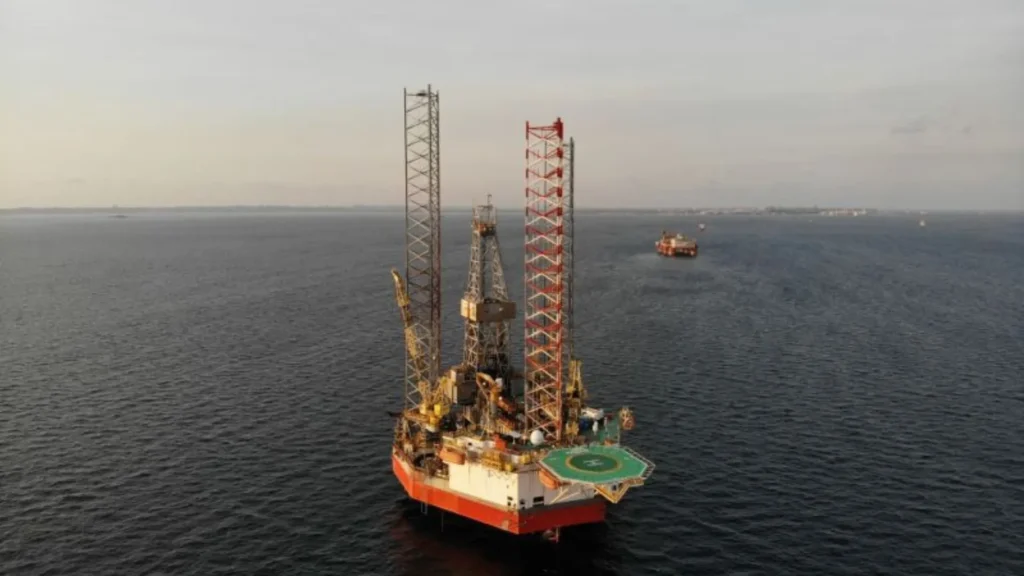
The NAGA 6 platform, following upgrades, will operate with PETRONAS until 2026.

The Comamonas bacteria can convert plastics into tiny particles that it then uses as food, thanks to a specialized enzyme.
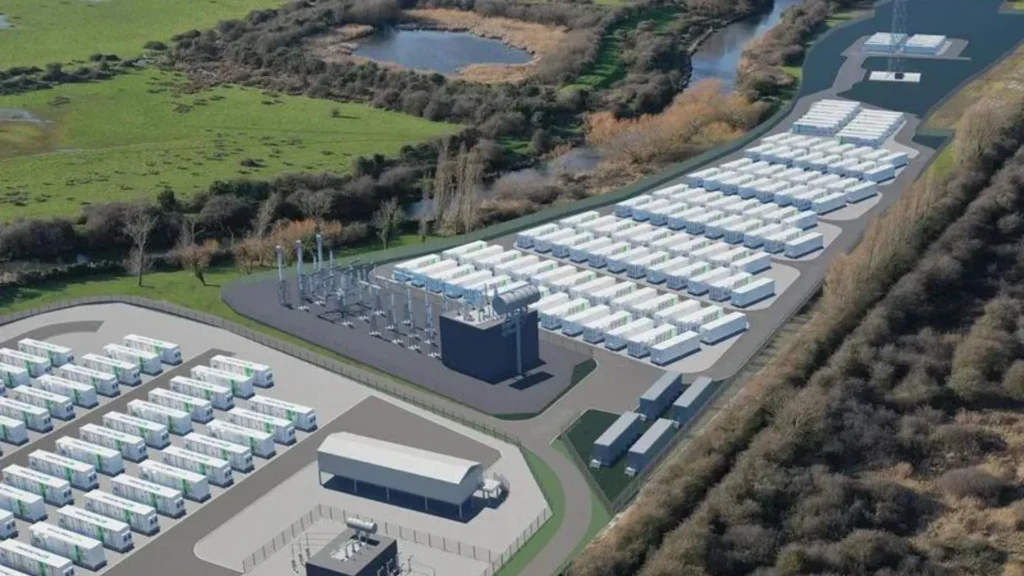
Sheaf will reclaim 10,000 m² of contaminated land, achieving a net biodiversity gain of 14.91%.
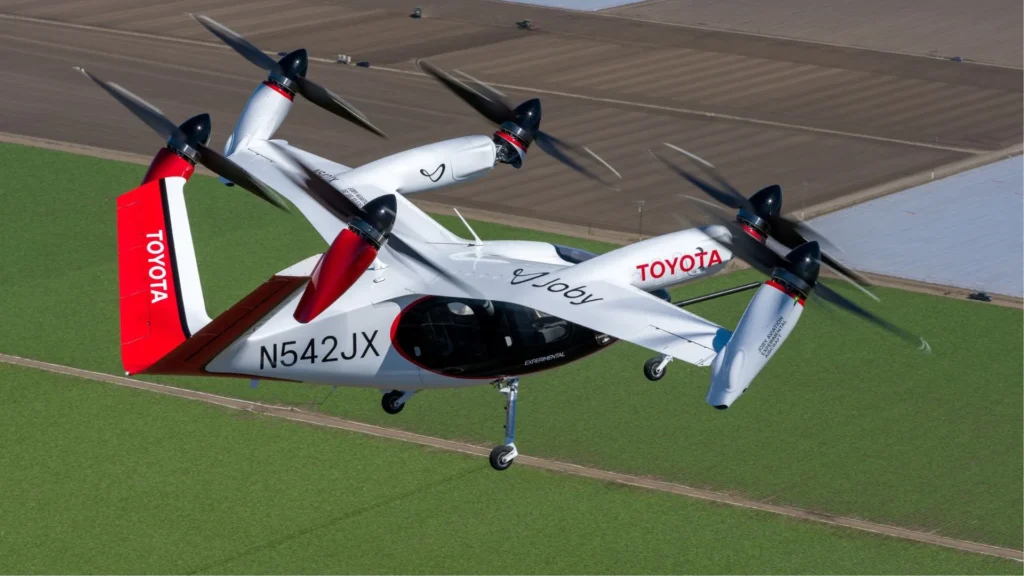
Toyota has invested a total of $894 million in Joby Aviation.
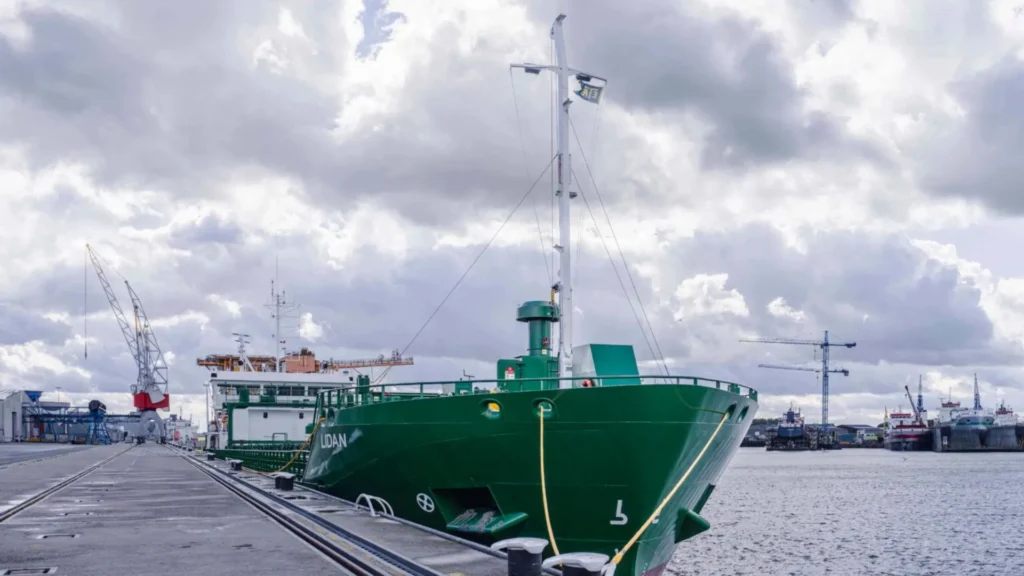
The MV Lidan is the first plug-in hybrid vessel in its series and has achieved an 18% reduction in fuel consumption.
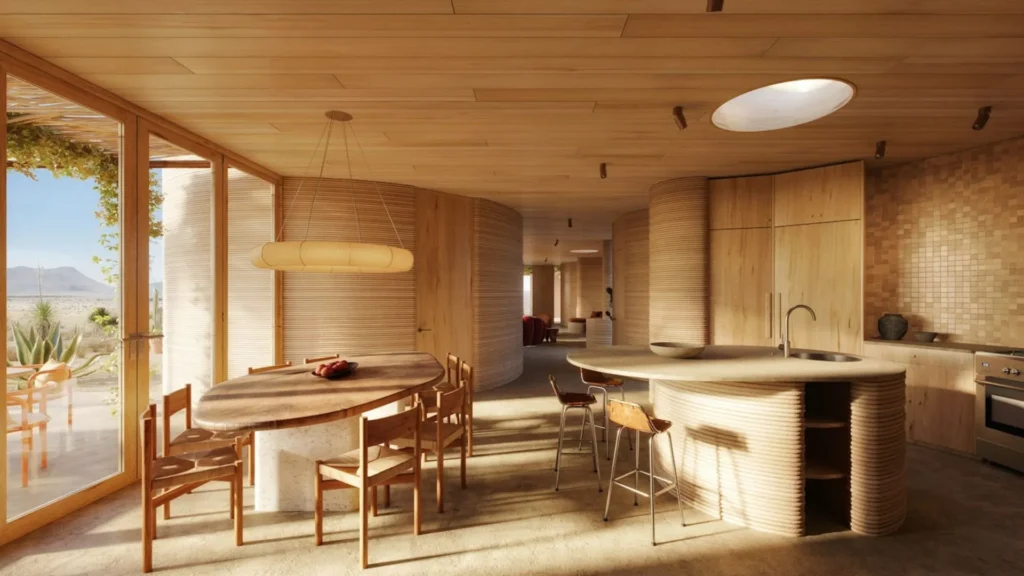
The hotel will feature residences designed by renowned architect Bjarke Ingels.
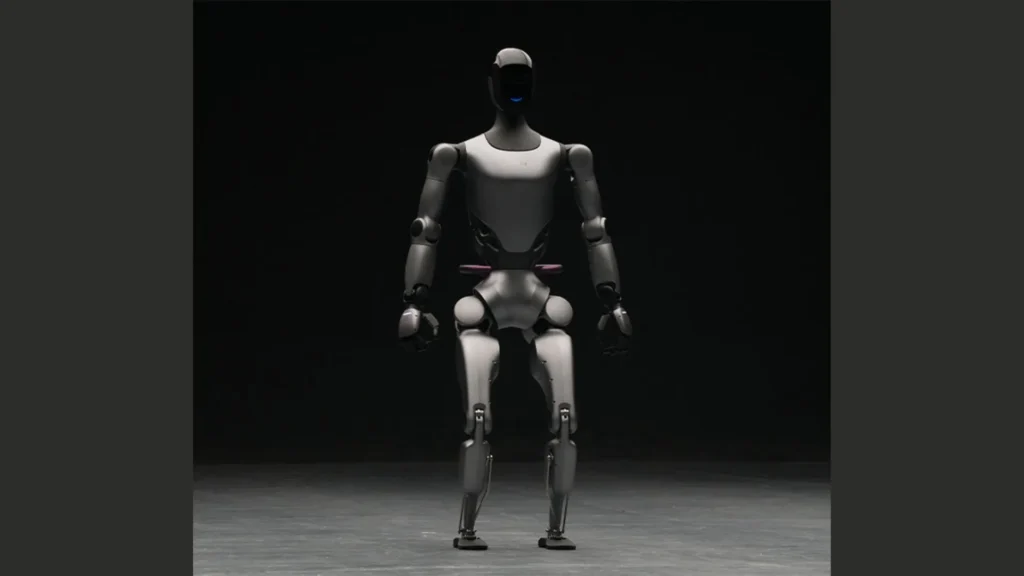
The robot has hands with touch sensors that allow it to adjust its grip in real time and "feel" objects.
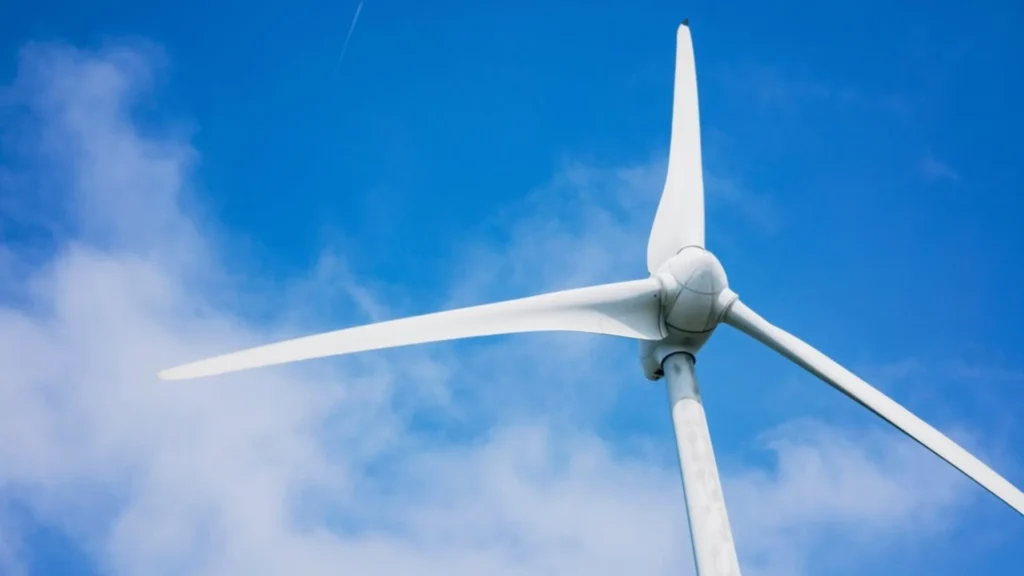
The wind turbine in Germany will be 364 metres high, equivalent to a 120-storey building.
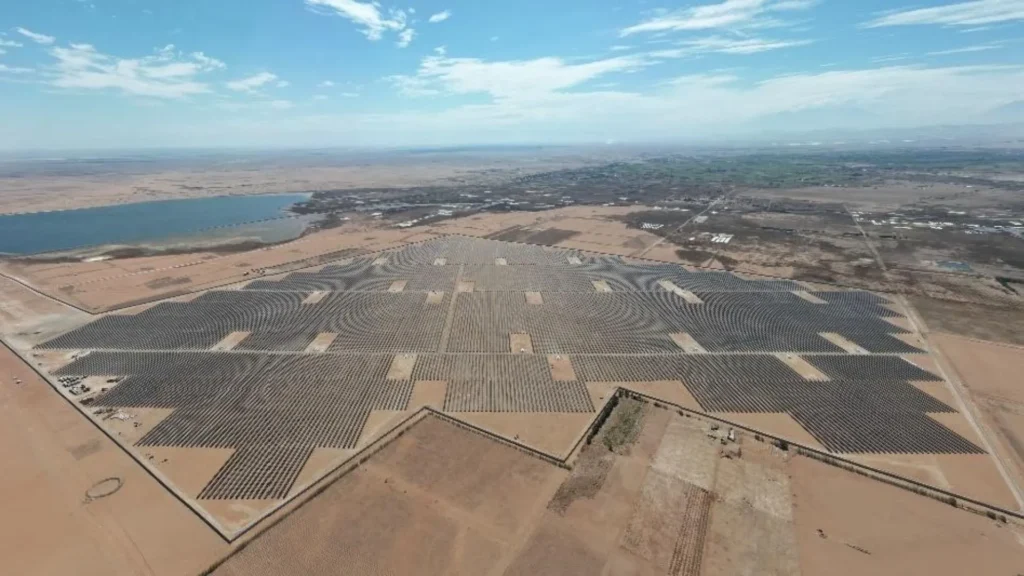
The Matarani plant covers an area of 750,000 square meters, equivalent to the size of more than 70 hectares of forest.
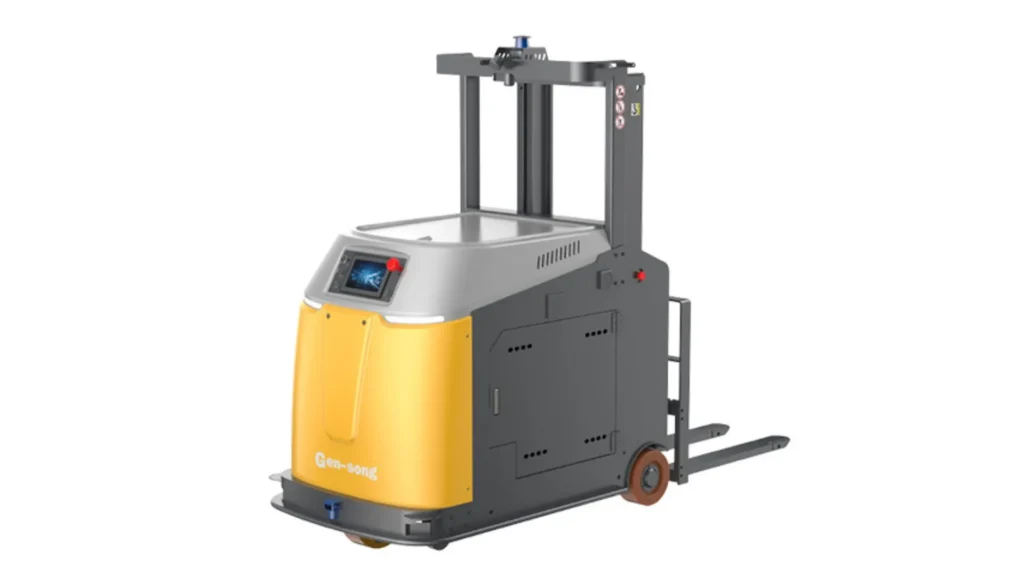
The X-FMR can stack loads up to 3 metres and improve efficiency by 70%, operating completely autonomously.

The terminal will have 13,000 solar panels, covering an area equal to six football fields and generating 6.63 MW of energy.