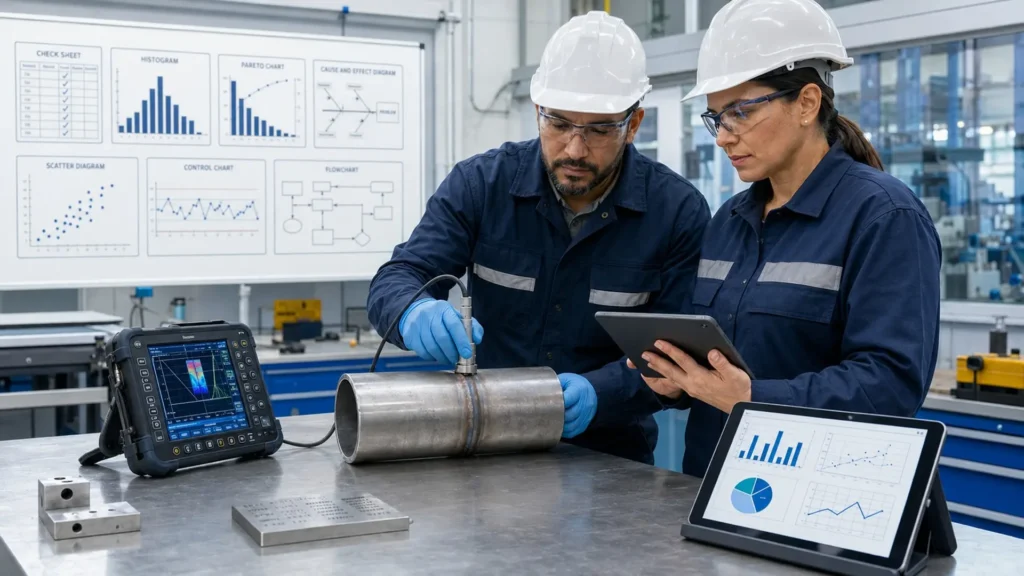
7 QC tools to reduce rejections in industrial inspection
The 7 QC Tools convert inspection data into actions to reduce rework, repeats, and false calls.

Mechanical Engineer with experience in the oil and gas sector, has technical skills in static equipment inspection, project control, development of work scopes and quality assurance. Contributes to the exchange of knowledge and best practices by writing technical articles related to the energy sector.
The 7 QC Tools convert inspection data into actions to reduce rework, repeats, and false calls.
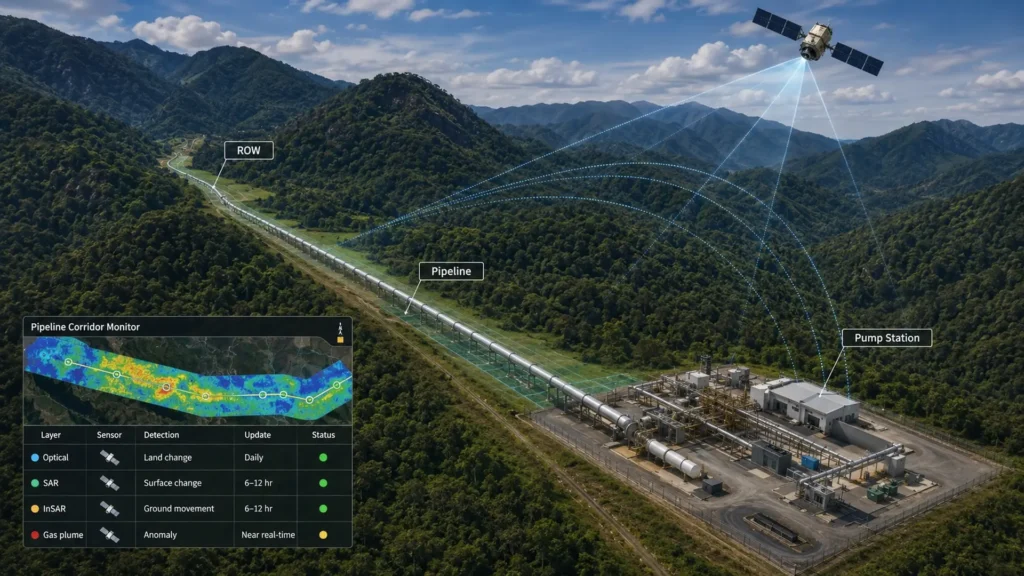
Satellite monitoring of pipelines identifies environmental threats that might go unnoticed between ground inspections.

Innovation in industrial safety anticipates risks, verifies critical barriers, and reduces operational exposure in the field.
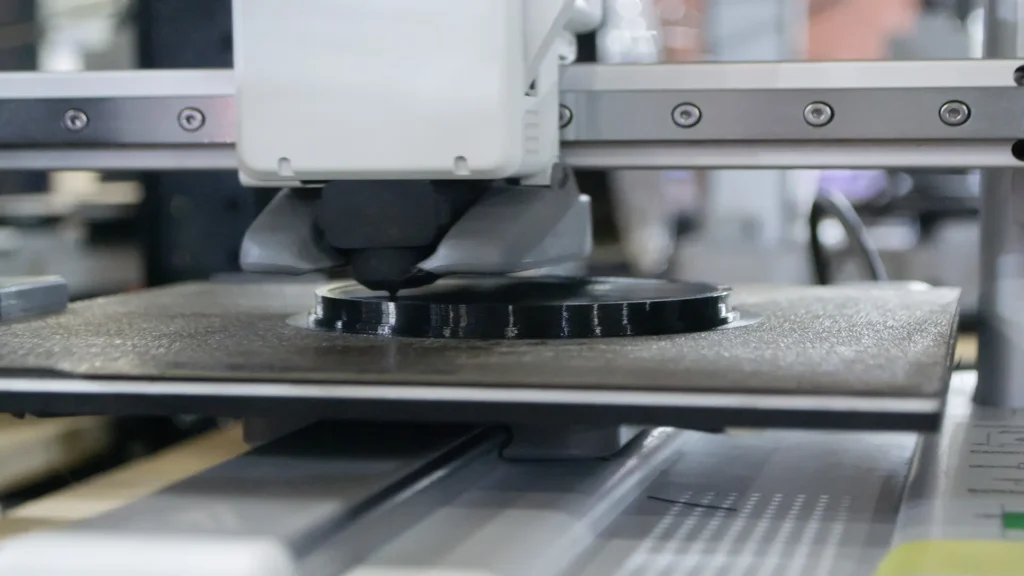
API 20S mandates the qualification of 3D printed parts for pressure equipment, with traceability, NDT, and technical control.
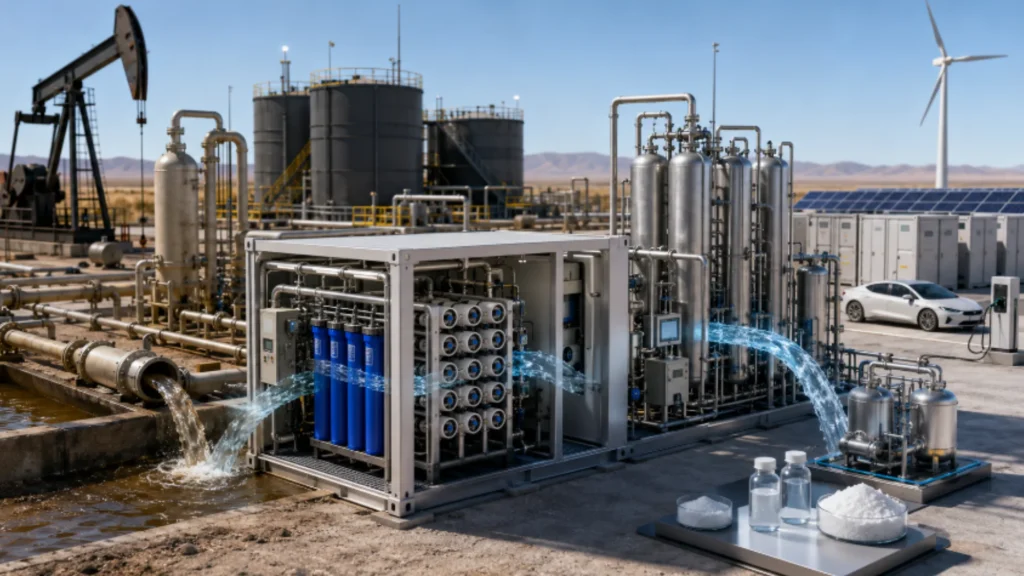
Lithium recovered from produced water enhances the value of oilfield brines through direct extraction and geochemical control.
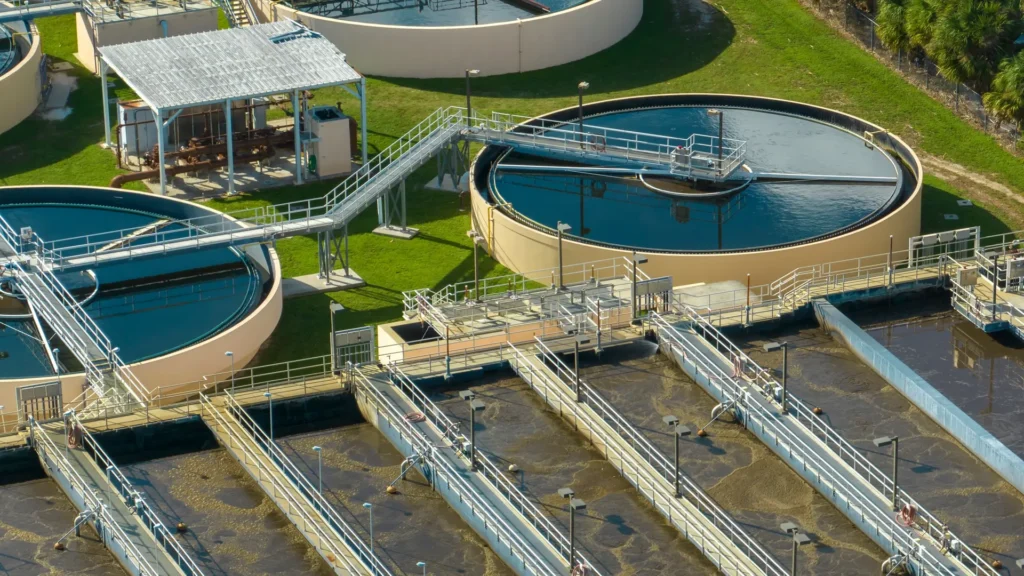
Industrial water treatment using graphene and microbiological monitoring to remove contaminants and control COD, biofouling, and water quality.
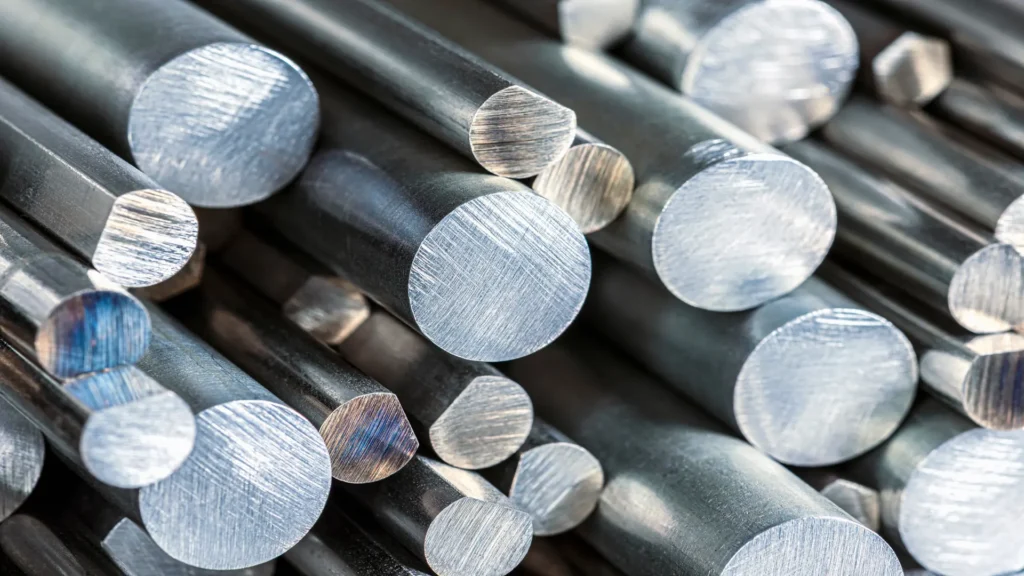
Mild steel combines metallurgy, weldability, and standards to ensure the selection of reliable materials for modern industrial manufacturing and pipelines.
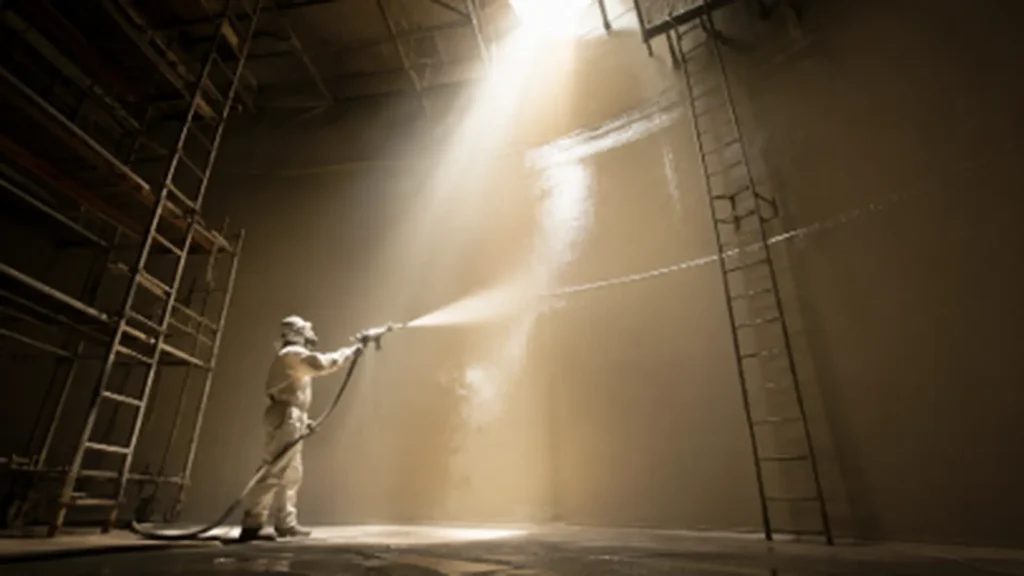
The internal lining of tanks protects their structural integrity when properly selected based on service conditions, immersion, temperature, and corrosion.

API 2610 provides guidance for the management of terminals and storage tank facilities to strengthen safety, integrity, and environmental control.
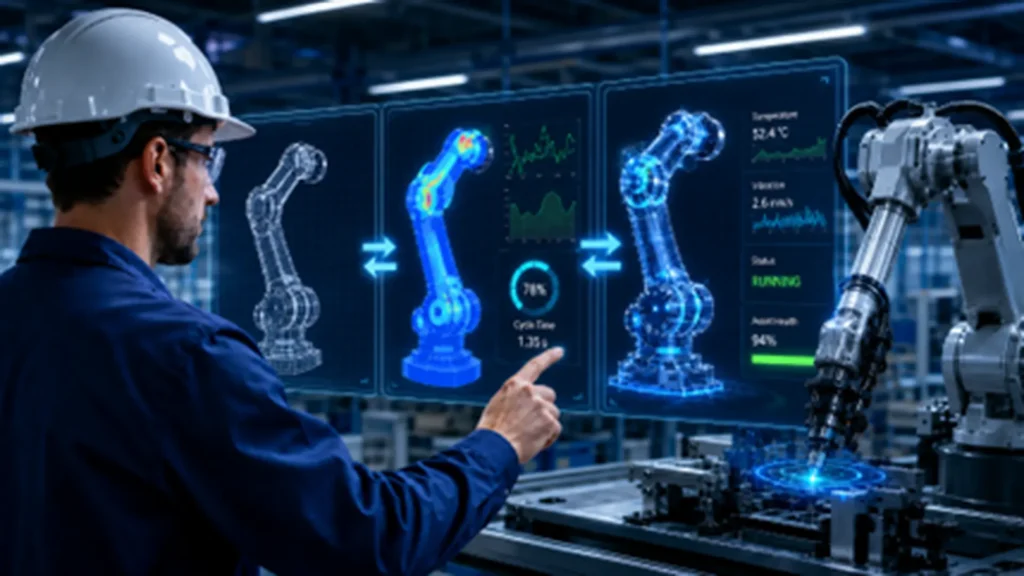
Digital twins optimize manufacturing, predictive maintenance, and industrial decisions through data, simulation, and virtual models.
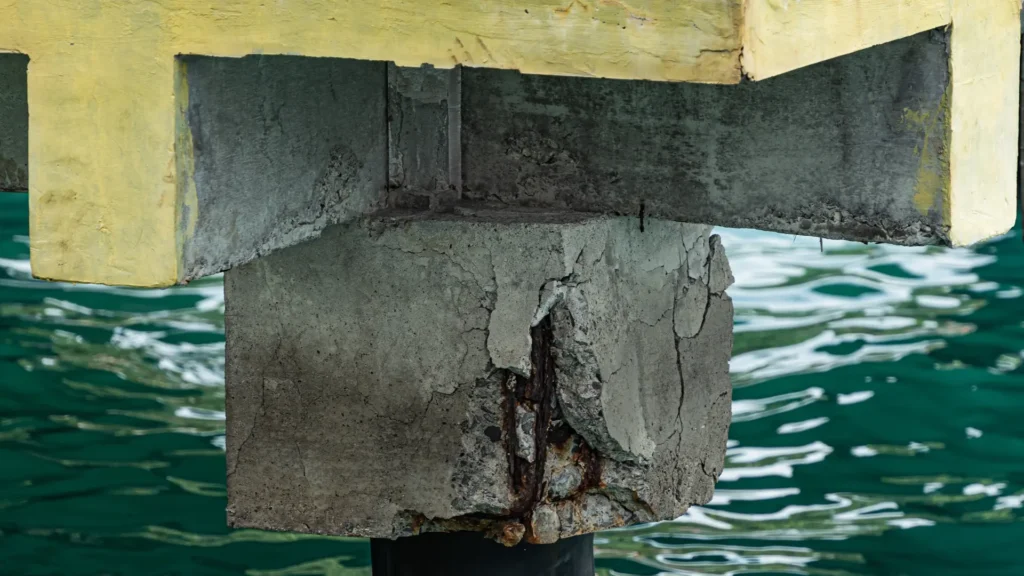
Chloride corrosion shortens the service life of reinforced concrete; monitoring, coatings, and technical repairs can help control it.
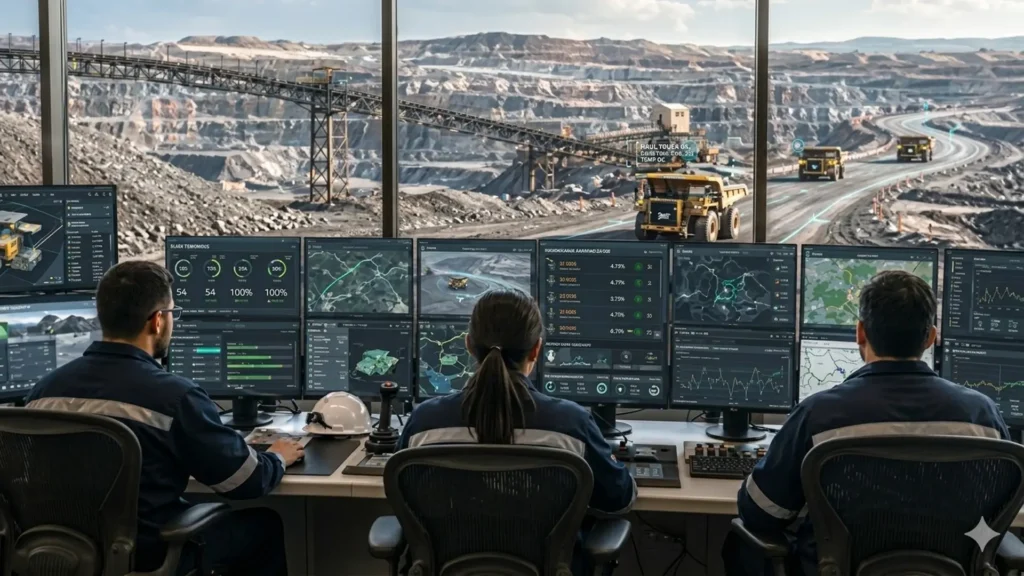
Autonomous mining requires stable networks, low latency, and remote operation to improve safety and efficiency in mines.