Industrial safety is a core component of operational continuity across energy facilities, terminals, refineries and hydrocarbon transport systems. It integrates risk management methodologies, operational controls and HSE performance systems aimed at protecting people, assets and the environment. Within the energy value chain, it ensures stable operations, minimizes unplanned shutdowns and supports process integrity in high-risk environments.
Globally, regulatory frameworks in USA, LATAM and Europe demand robust compliance, technical audits and structured management systems (ISO 45001, OSHA, EU Directives). Under this context, occupational safety becomes an enabler of reliability, efficiency and operational sustainability.
This category focuses on the operational and regulatory foundations that ensure industrial safety and occupational health across energy facilities, and include:
- HSE management systems and regulatory compliance (ISO 45001, OSHA 29 CFR).
- Hazard identification and risk analysis (PHA, HAZOP, JSA).
- Operational controls and safe work permits.
- Incident prevention and analysis (RCA, causal models, reporting).
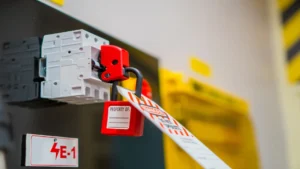
- Mechanical integrity programs and hazardous energy control (LOTO).
- Occupational health, ergonomics and medical surveillance.
- Safety culture and leadership in operations.

- HSE digitalization: real-time monitoring, automation and analytics.
Occupational safety represents one of the most demanding technical areas in the energy sector due to process risks, occupational exposure and high-hazard operations. Sharing specialized knowledge supports professionals in implementing stronger controls, improving risk assessment and enhancing operational reliability.
Inspenet develops this category to provide applicable insights, technical guidance and a global perspective of HSE performance. The content helps engineers and supervisors strengthen critical safeguards, reinforce safety culture and adopt evidence-based practices aligned with the needs of modern energy operations.