
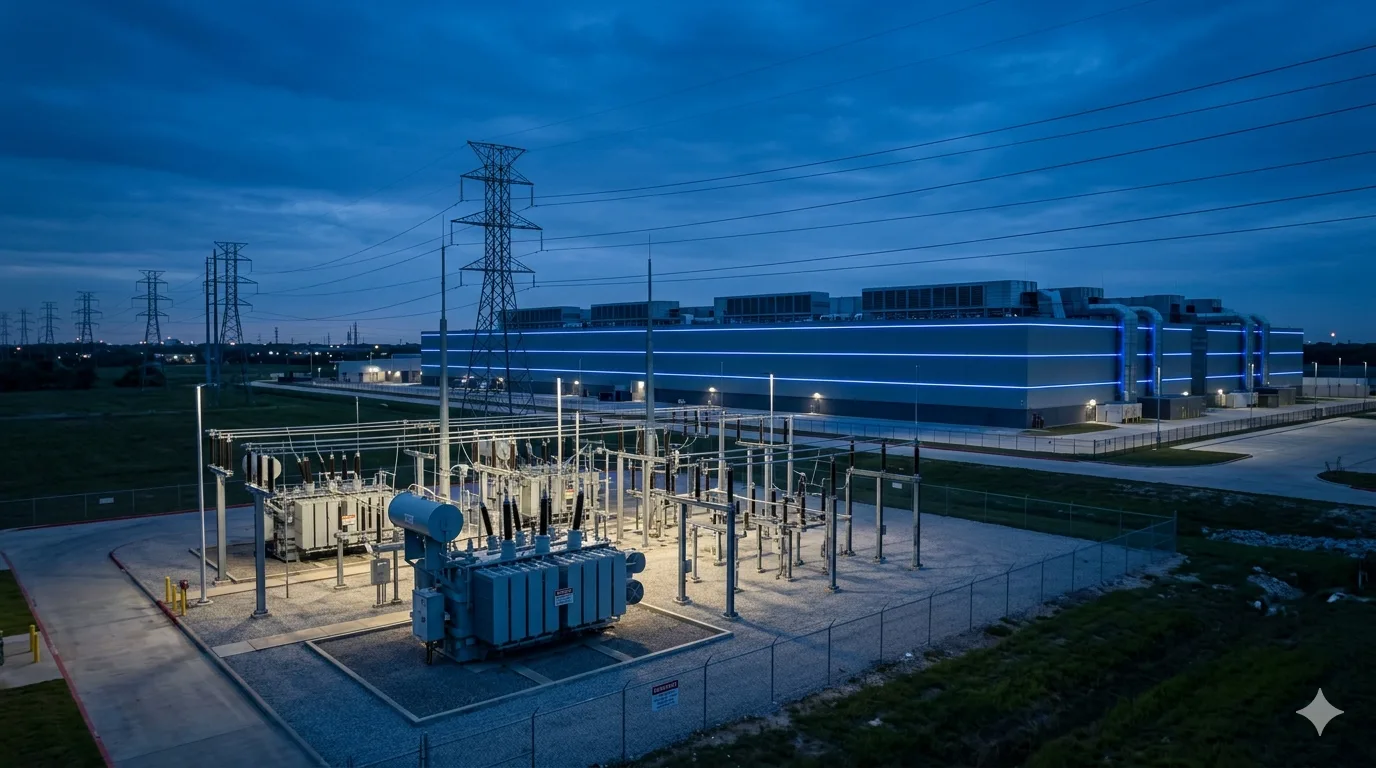
During CERAWeek 2026, the energy sector confirmed a turning point: electricity demand driven by artificial intelligence is growing faster than installed generation and transmission capacity. This trend is disrupting traditional energy forecasting models.
The rapid expansion of high-density data centers, designed for intensive computing workloads, is redefining the concept of baseload demand. Unlike conventional industries, these systems operate with high continuity, generating constant and rising consumption profiles.
As a result, grid operators face a new reality where planning can no longer rely on historical trends. Digital infrastructure is now emerging as the primary driver of global energy demand growth.
Physical constraints across grids and critical nodes
Accelerated demand growth is placing significant stress on existing transmission networks. In regions where data centers are concentrated, grid capacity is approaching structural saturation.
From an operational standpoint, thermal management has become a critical factor. Advanced rack cooling systems can account for up to 40% of total facility consumption, increasing effective grid load and reducing overall efficiency.
Additionally, system resilience depends on key assets such as transformers and energy storage systems. Delayed investment in these components raises the risk of bottlenecks and frequency instability events.
CERAWeek 2026 Technical strategies under rising energy pressure
Paradoxically, the same artificial intelligence driving demand is also part of the solution. Its application in intelligent load management enables real-time optimization of grid operations, improving system stability.
This dual role is forcing a shift in investment strategies. Energy companies are prioritizing infrastructure modernization, integrating flexible generation and storage systems to handle unexpected demand peaks.
Looking ahead to technical sessions in CERAWeek 2026 Houston, S&P Global is expected to facilitate new agreements between technology firms and utilities. The goal is clear: support digital growth without compromising energy security or system profitability.
Fuente original: CERAWeek by S&P Global